

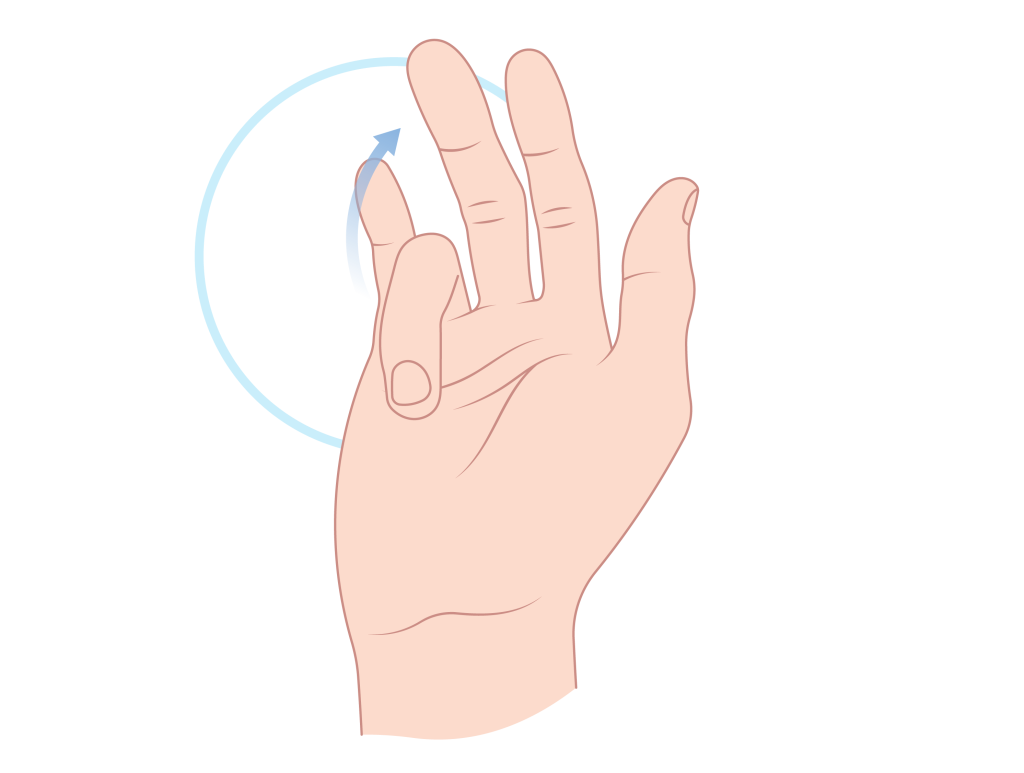
What Is Dupuytren’s Contracture?
Dupuytren’s contracture is a hand condition that gradually tightens the connective tissue under the skin of your palm. Over time, this thickened tissue can pull one or more fingers (usually the ring or little finger) inward toward the palm, making it difficult to straighten them. The condition tends to progress slowly and can impact daily activities like gripping, shaking hands, or putting your hand in a pocket.
What Causes Dupuytren’s Contracture?
While the exact cause isn’t fully understood, several factors are known to increase the risk:

AGE
Most cases develop after age 40, especially in men. : People with diabetes, epilepsy, or liver disease may be more likely to develop it.

USE OF CERTAIN DRUGS
If the liver produces too much cholesterol, it can cause heart, stroke, and diabetes issues. Some medications, such as beta-blockers, diuretics, and corticosteroids, can change LDL levels. Statins and niacin lower high cholesterol. Consultation with a doctor before taking new medications is necessary because different medications affect cholesterol levels differently.

GENETICS
s: It often runs in families. If your parent or sibling has it, your chances go up. Men are more likely to develop severe and earlier contractures than women.

HIGH FAT DIET
Smoking and heavy alcohol use are linked to increased risk, possibly due to reduced blood flow and tissue health.

DIABETES
People with diabetes may be more likely to develop it.

LIVER DISEASE
People with liver disease may also be more likely to develop it.
Common Symptoms

Most people don’t feel pain, though tightness or discomfort may occur as the contracture progresses.
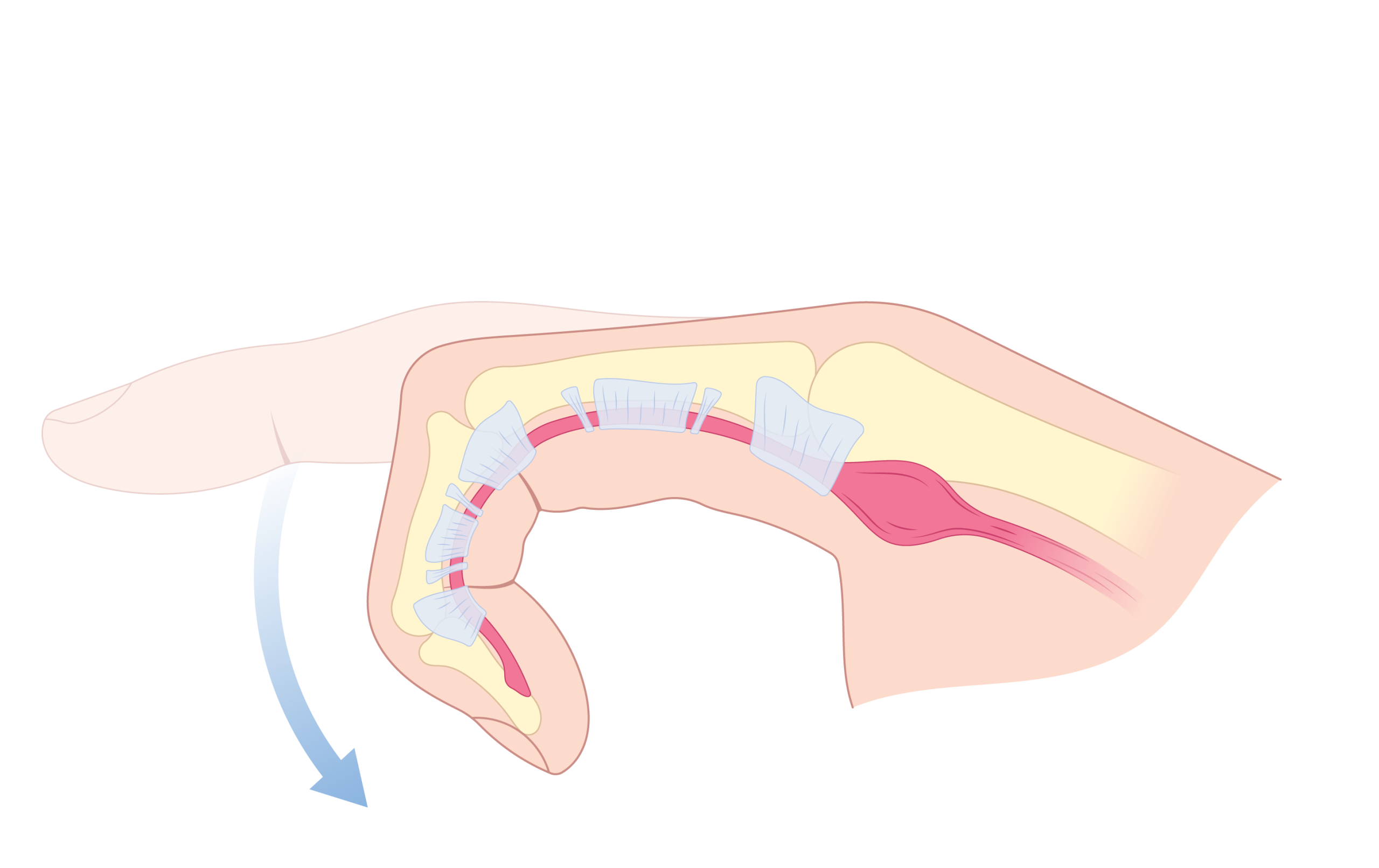
Over time, one or more fingers begin to curl toward the palm and cannot fully straighten.
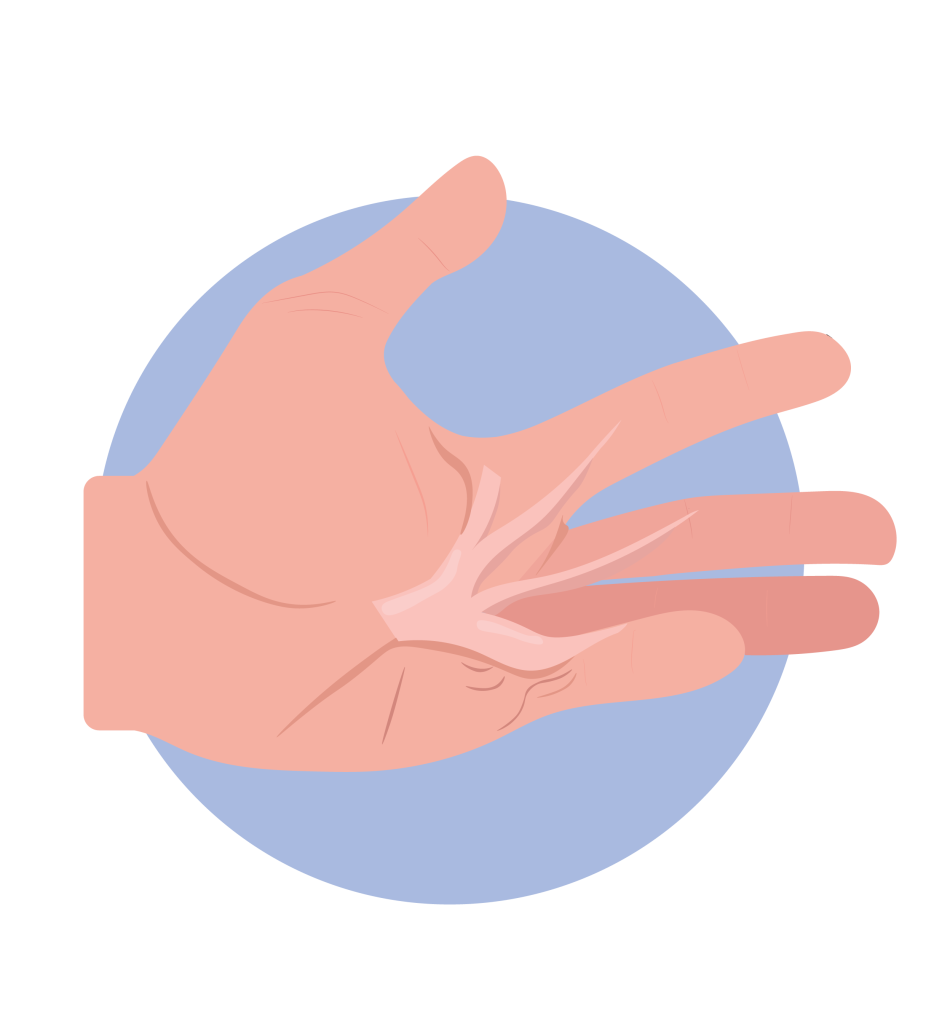
As tissue thickens, rope-like bands may develop under the skin.
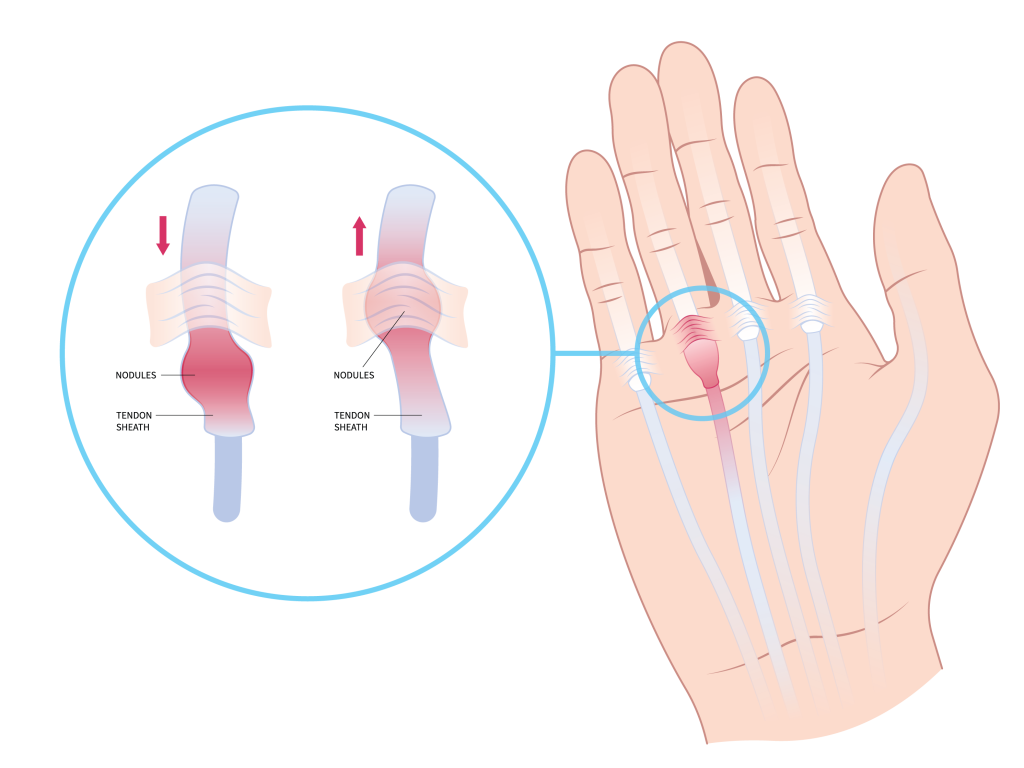
Firm lumps in the palm, typically near the base of the fingers.
📋 Diagnosing the Condition
A diagnosis is usually made during a simple physical exam. A healthcare provider will:
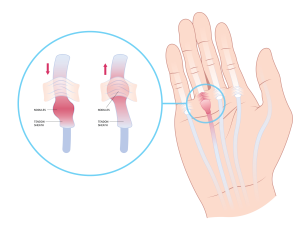
Check for nodules and cords in the palm.
Test how far the fingers can extend.
Possibly use the “tabletop test”—where you try to lay your hand flat on a surface. If your fingers can’t rest flat, contracture is likely present.
Imaging tests like X-rays or MRIs are rarely needed.

Treatment Options
Treatment depends on how much the contracture limits hand function. Not all cases require immediate care—especially in the early stages. Here are the most common options:
✋ Non-Surgical Approaches
- Observation: Many people live with mild cases that don’t interfere with hand use.
- Stretching: While not a cure, gentle stretches may help maintain flexibility.
- Steroid Injections: These can reduce inflammation and discomfort in some cases.
- Collagenase Injection (Xiaflex®): This FDA-approved enzyme is injected into the cord to weaken and break it, followed by finger manipulation. It’s minimally invasive and done in a clinic setting.
Surgical Options

Surgical Options For more advanced or disabling cases:
- Fasciectomy: The thickened tissue is surgically removed.
- Dermofasciectomy: The involved skin and fascia are removed and replaced with a skin graft—often used for severe or recurring cases.
- Needle Aponeurotomy: A needle is inserted through the skin to puncture and break the cord. It has less downtime than surgery but may be less durable long-term.
Recovery & Therapy
Hand therapy is often recommended after any procedure. Exercises and splints can help restore motion and prevent recurrence. Some people may regain full hand use within weeks, while others may need months of rehab.
Living With Dupuytren’s
- Many people live with mild Dupuytren’s for years without intervention.
- Hand-friendly tools, modified grips, and occupational therapy can help.
- Early treatment often leads to better outcomes—don’t wait until fingers are completely bent.
- It’s okay to ask for a second opinion or explore both surgical and non-surgical options based on your lifestyle and goals.
📚 Further Reading
American Society for Surgery of the Hand – Dupuytren’s Contracture
Mayo Clinic – Dupuytren’s Contracture
National Institute of Arthritis and Musculoskeletal and Skin Diseases (NIAMS)