

What Is Lymphedema?
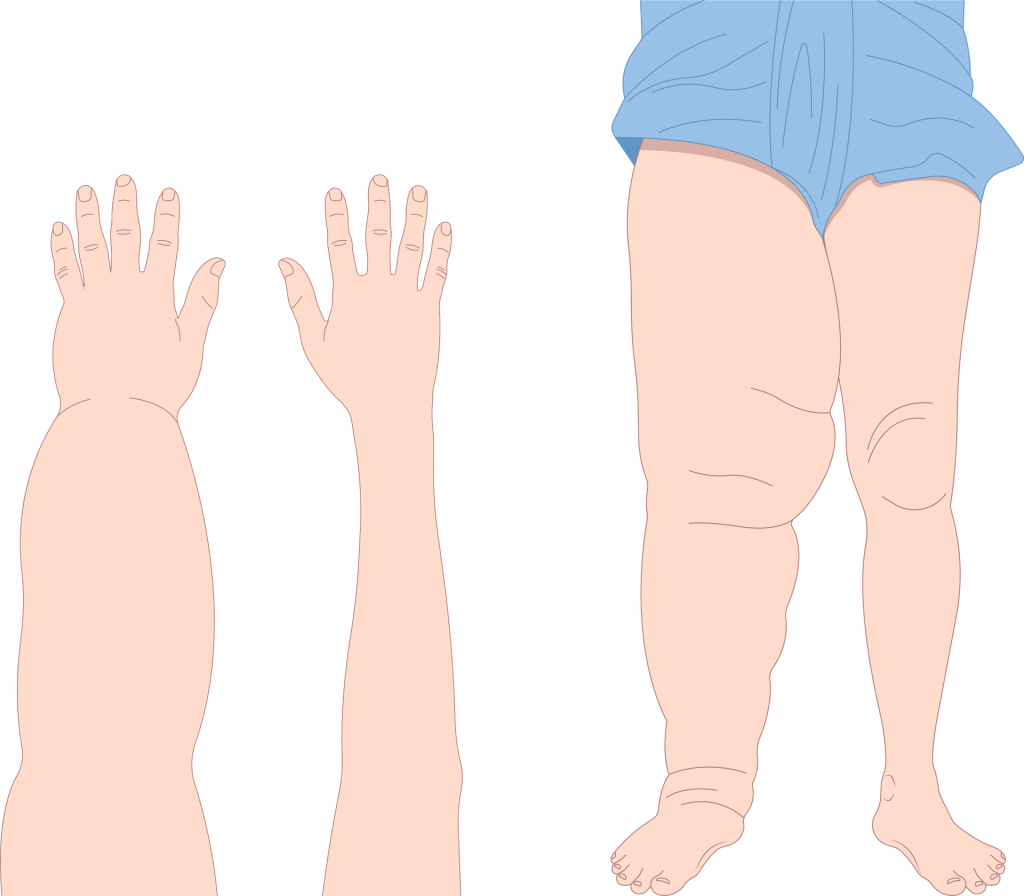
Lymphedema is a long-term condition caused by a disruption in the lymphatic system—a critical part of your immune and circulatory systems. When lymph fluid isn’t properly drained, it collects in soft tissues, leading to swelling, discomfort, and reduced mobility. While the condition can’t be cured, it can be managed with awareness, consistent care, and gentle support.
A Brief Look Back
The swelling associated with lymphedema has been documented since the 5th century BC. Hippocrates referred to it as “elephantiasis,” but our understanding of the lymphatic system didn’t evolve until modern medical imaging and pathology techniques became available. Today, we recognize lymphedema as both a physical and emotional challenge—one that calls for compassion and science.
Two Main Types of Lymphedema
This form is caused by inherited or spontaneous malformations in the lymphatic system. It may be present from birth or emerge later in life, often during puberty or pregnancy.
- Congenital Lymphedema: Present at birth due to missing or underdeveloped lymph vessels.
- Lymphedema Praecox: Develops during adolescence or early adulthood.
- Lymphedema Tarda: Appears after age 35, sometimes without a clear trigger.
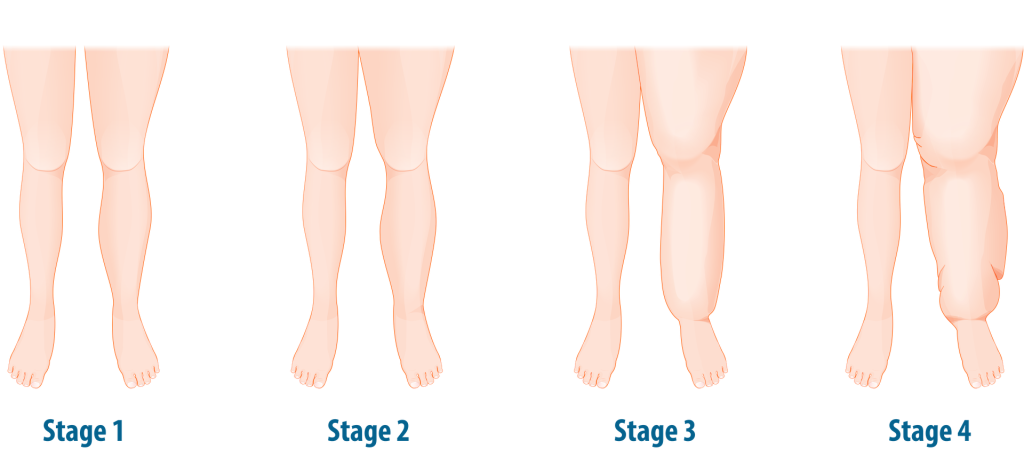
Secondary Lymphedema
This more common type develops after injury, surgery, or illness that damages or blocks lymphatic vessels.
Move Gently, Move Often
Engaging in activities like walking, yoga, and light stretching can promote lymph flow. Avoid long periods of sitting or standing still.
Radiation Therapy
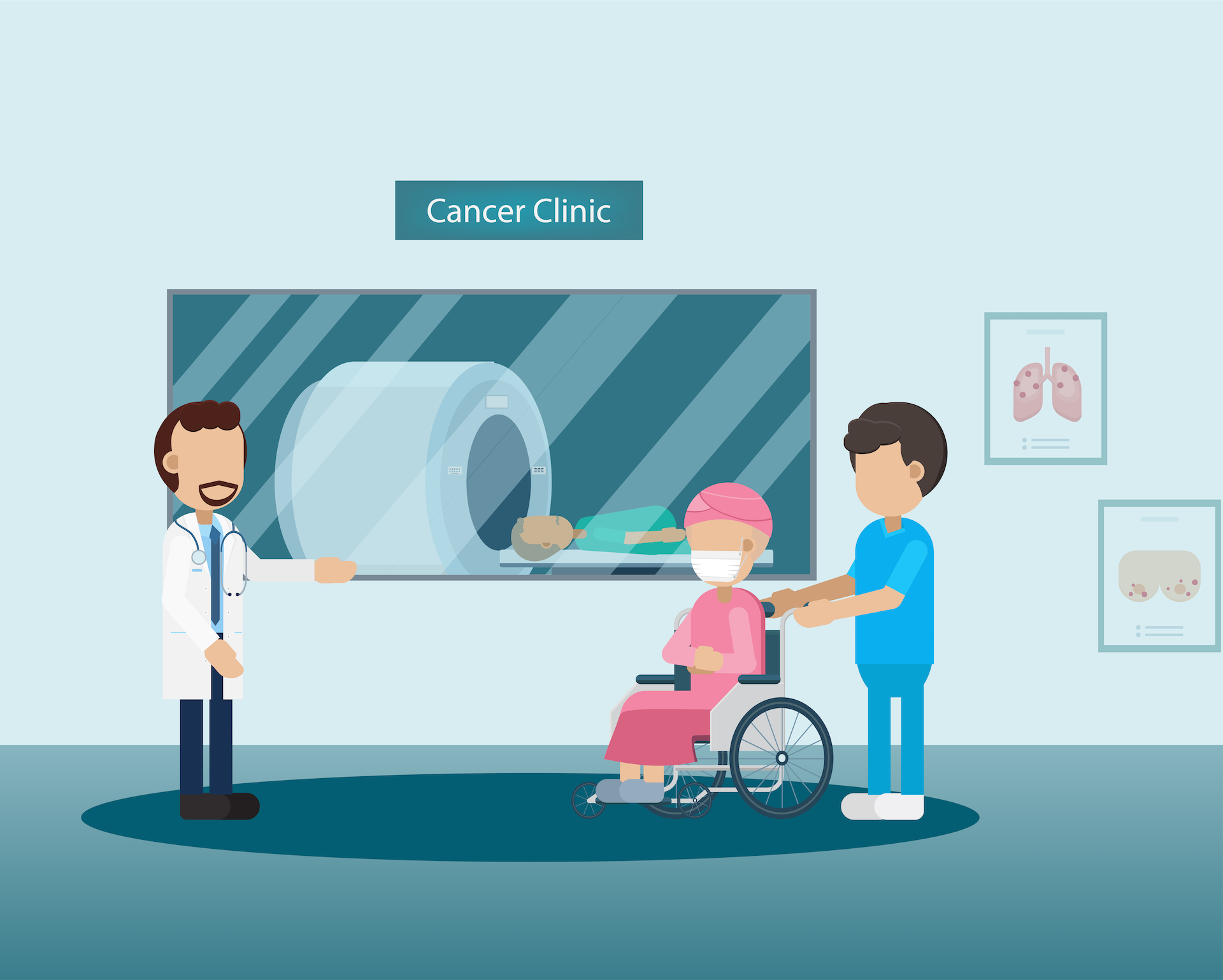
Radiation treatments used in cancer care can also damage the lymph nodes and vessels, causing scarring and blockages. This leads to compromised lymphatic function and swelling.

Infections
Severe or repeated infections, including cellulitis or lymphangitis, can result in scarring or swelling in the lymph nodes, leading to permanent damage to the lymphatic system. Chronic infections are a significant risk factor for secondary lymphedema.
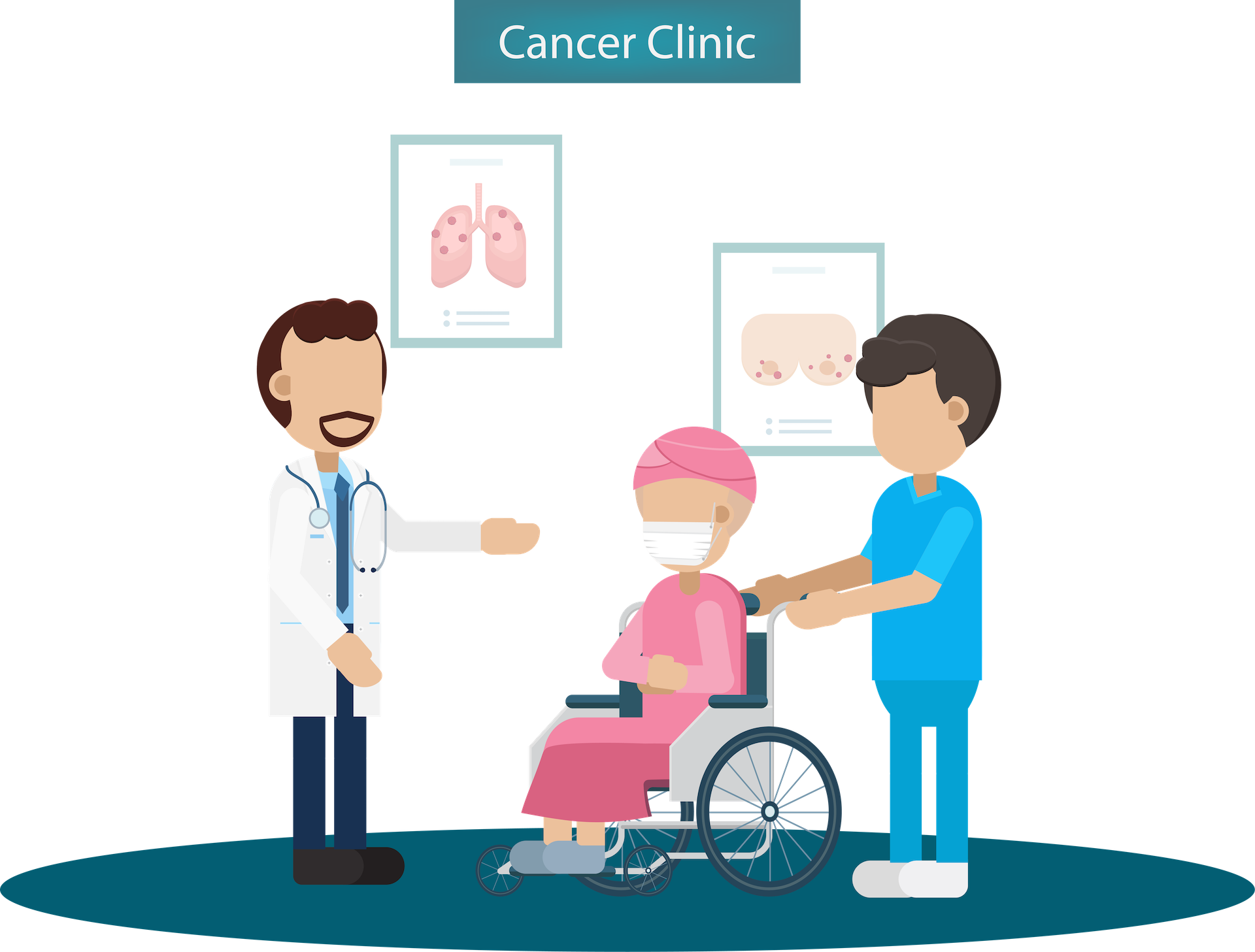
Cancer
Some cancers directly affect the lymphatic system by spreading to lymph nodes or interfering with lymphatic drainage. Tumors in or near lymph nodes can obstruct the flow of lymphatic fluid, resulting in swelling.
Trauma
Injuries, burns, or surgical procedures that cause physical damage to the lymphatic vessels can result in fluid buildup and the development of lymphedema. This can occur from accidents or post-surgical complications.
Supportive Lifestyle Tips for Lymphatic Health
Managing lymphedema isn’t just about clinical care—it involves daily habits that foster circulation and reduce fluid buildup.

Move Gently, Move Often
Engaging in activities like walking, yoga, and light stretching can promote lymph flow. Avoid long periods of sitting or standing still.
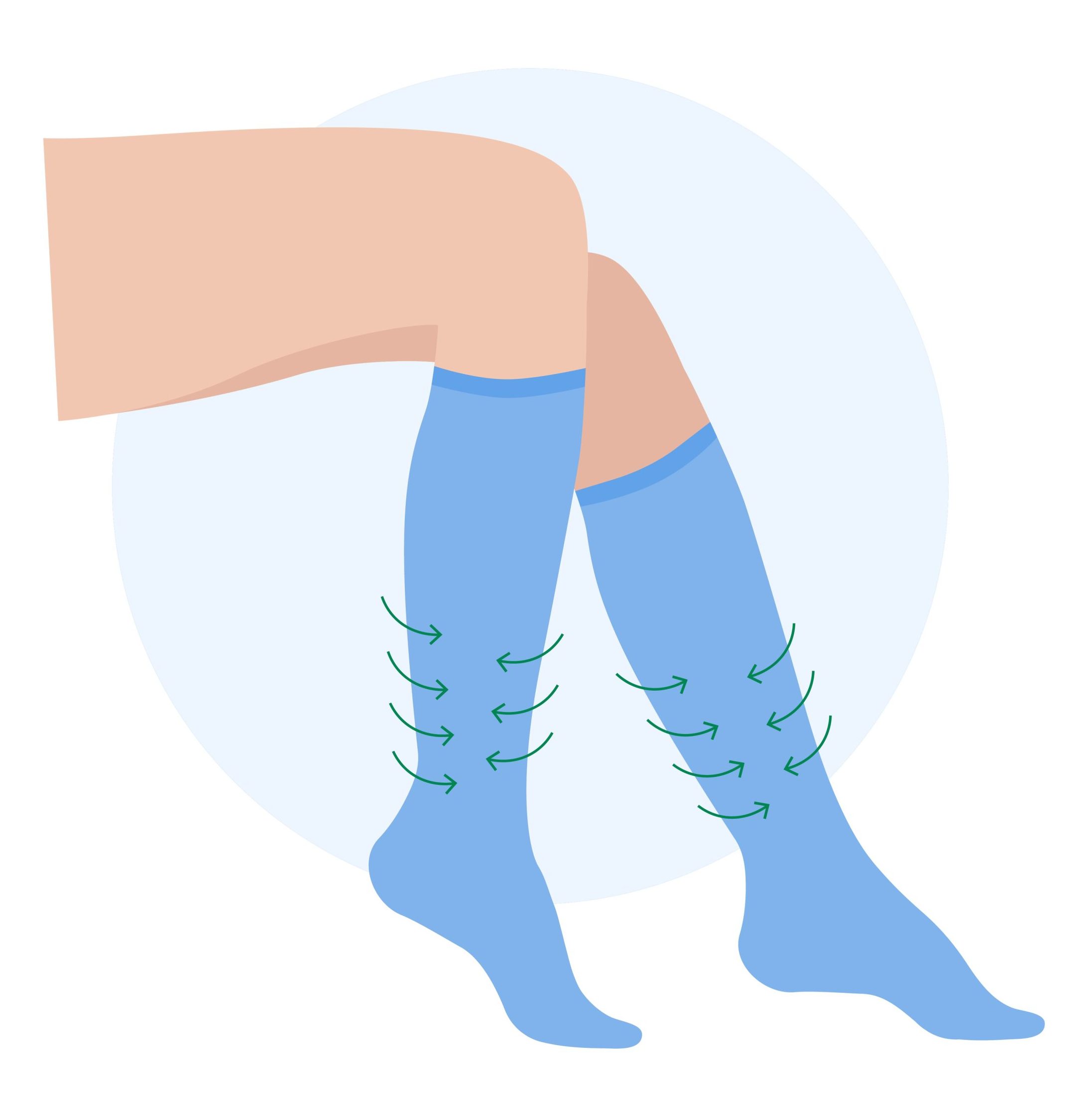
Wear Compression Garments (if prescribed)
These garments help reduce swelling and improve lymphatic drainage, especially during activity.

Nourish Your Body with Anti-Inflammatory Foods
Eating well supports tissue repair and reduces inflammation.

Stay Hydrated
Consistent water intake supports kidney and lymphatic function, aiding in fluid balance.
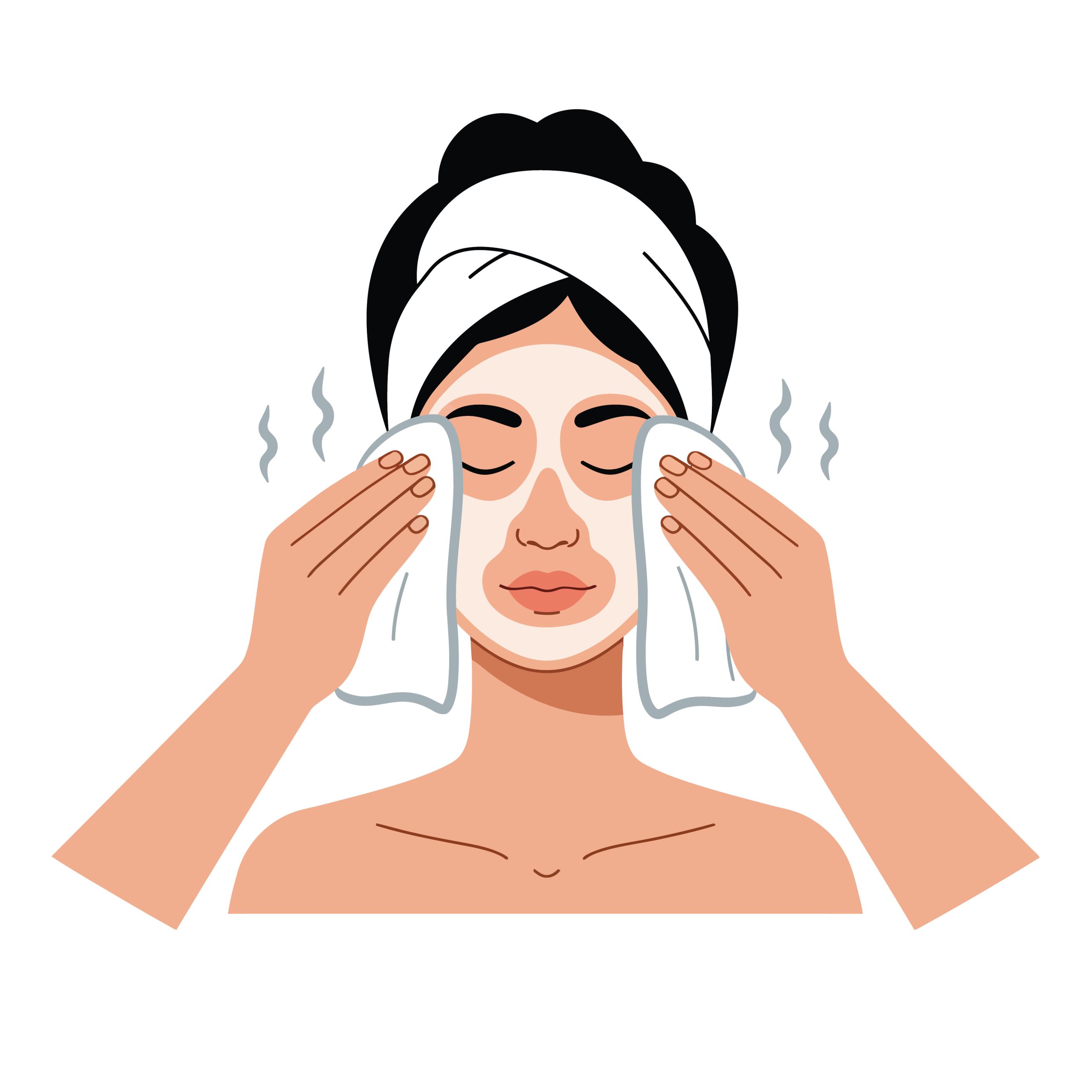
Gentle Skin Care
Keep the affected limb clean and moisturized. Avoid injuries, which can increase infection risk.
Incorporate foods rich in antioxidants, healthy fats, and lean proteins. Some nutrients to include:
Needed to support Iron processes in the body






When to Seek Medical Support
Early treatment offers the best chance of managing symptoms and preventing progression. Your healthcare provider may recommend:
- Manual lymphatic drainage (MLD) therapy
- Compression therapy or garments
- Specialized exercises
- In rare cases, surgical options
A Note of Encouragement
Lymphedema may be lifelong, but it doesn’t have to define your life. With knowledge, consistency, and support, many people live full, active lives while managing their condition. You are not alone—this journey is yours, but our community is walking it with you.
Further Reading
- Lymphedema Overview – Mayo Clinic
Comprehensive information on the causes, symptoms, and complications of lymphedema, including insights into how cancer treatments can lead to this condition.
Mayo Clinic: Lymphedema - Lymphedema: Symptoms, Causes & Treatment – Cleveland Clinic
Details on the stages of lymphedema, diagnostic methods, and management techniques, emphasizing the importance of lifestyle changes and self-care.
Cleveland Clinic: Lymphedema - Lymphedema – StatPearls (NCBI Bookshelf)
An in-depth review of lymphedema’s pathophysiology, classification, and treatment options, suitable for healthcare professionals and those seeking detailed medical information.
NCBI Bookshelf: Lymphedema - Self-Care for Management of Secondary Lymphedema – PubMed Central
A study highlighting the effectiveness of self-care practices, such as meticulous skin care and hygiene, in managing secondary lymphedema.
PMC: Self-Care for Secondary Lymphedema - Conservative Treatment of Lymphedema: The State of the Art – PubMed Central
An article discussing non-pharmacological treatments for lymphedema, including manual lymph drainage, compression therapy, and exercise.
PMC: Conservative Treatment of Lymphedema - Dietary Supplements in Lymphedema – PubMed Central
Research exploring the role of nutrition and dietary supplements in improving the quality of life for individuals with lymphedema.
PMC: Dietary Supplements in Lymphedema - Managing Lymphedema, Increasing Range of Motion, and Quality of Life – PubMed Central
A study examining the benefits of yoga and specific exercises in reducing lymphedema symptoms and enhancing patients’ quality of life.
PMC: Managing Lymphedema with Exercise