Back
Back Source Code Food
Cobalamin
VitaminVitamin B12 is an essential nutrient that plays a critical role in maintaining a healthy body. This nutrient is vital for numerous body functions, making it necessary to maintain optimum levels. Vitamin B12 is water soluble, which means it cannot be stored by the body, making it even more crucial to ensure that we get enough of it through our diet. Foods rich in vitamin B12 include meat, fish, dairy products, eggs, and fortified cereals.
Cobalamin is a nutrient that plays an integral role in our body’s functioning. Ensuring that we get enough of this vital nutrient is critical for maintaining good health. People who are at a higher risk of vitamin B12 deficiency include vegans and vegetarians, older adults, and those who have had gastrointestinal surgery. If you are concerned about your vitamin B12 levels, consult with your doctor or a registered dietitian who can help you ensure that you are meeting your nutritional needs.

Vitamin B12 is vital for the formation of red blood cells which transport oxygen throughout the body. It helps produce DNA which regulates cell growth and folate which is essential for red blood cell production.

Vitamin B12 is an essential nutrient that is required for proper digestion and absorption of food. This vitamin is important for maintaining the functioning of the gastrointestinal system, including the stomach, small intestine, and colon. It helps in the production of red blood cells and DNA synthesis.

Vitamin B12 is essential for cell formation, red blood cell production for oxygen transport, and removal of carbon dioxide from the body. It also protects DNA from damage and can promote longevity.
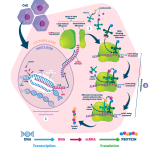
Protein synthesis is a complex process that involves the production of new proteins from amino acids. Vitamin B12 is required to activate enzymes that are involved in the metabolism of these amino acids. Without adequate levels of B12, the normal synthesis of proteins cannot occur.
Protein is a vital nutrient that is needed for growth and repair in the body. It is important in building and repairing tissues, producing hormones, enzymes and other molecules. Without sufficient protein synthesis, the body cannot function optimally.

One of the significant roles of vitamin B12 is the conversion of fats and proteins into energy that the body can use. It does so by converting the macronutrients present in food into glucose, which is then utilized by the body as a source of energy. Additionally, vitamin B12 is involved in the synthesis of essential fatty acids that help in the proper functioning of the nervous system, brain, and cardiovascular system.
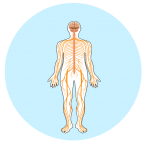
Cobalamin is an essential nutrient that plays a crucial role in maintaining the health of our nerves. This vitamin helps prevent nerve damage and ensures the proper functioning of the nervous system.
Cobalamin helps prevent damage by protecting the fatty sheet, called myelin, that covers and shields nerve endings.

Vitamin B12 plays a vital role in our body’s red blood cell production, and its deficiency can lead to a jaundice, and yellowing of the skin. This yellowing can also extend to the sclera or the white part of the eyes and can be a sign of liver disease.

Chronic fatigue is a common symptom of vitamin B12 deficiency, as the nutrient is required to create energy within your body’s cells. If you are deficient in B12, you may feel tired, weak, and lethargic.

Irritability and mood changes are also symptoms of B12 deficiency. Your nervous system relies on this nutrient to function properly, and without it, you may experience neurological symptoms such as irritability, depression, and even anxiety.

When the body doesn’t have enough Vitamin B12, it may cause a decrease in stomach acid production, which makes it challenging to break down food properly. This can lead to digestive problems, including constipation, gas, and bloating. Additionally, a lack of B12 may cause damage to the nerves that control the digestive system, further exacerbating these issues.

Cobalamin deficiency can also lead to eye disorders such as blurred vision, optic neuropathy, and retinal artery occlusion. Some studies have also linked vitamin B12 deficiency to an increased risk of age related macular degeneration, a condition that leads to vision loss in the elderly.

One of the most common symptoms of a vitamin B12 deficiency is dizziness and headaches. This is due to the fact that B12 helps to maintain healthy blood flow and oxygen levels throughout the body. Without enough of this important nutrient, the brain can become starved of oxygen, leading to feelings of dizziness and headaches.

One of the most significant concerns associated with low B12 levels is memory loss and neurological damage. This is because B12 is critical for the production of myelin, which is a fatty substance that surrounds and protects nerves. Without enough B12, the myelin can break down, leading to nerve damage and cognitive impairment.
A deficiency of vitamin B12 can cause the liver to enlarge, leading to symptoms such as abdominal pain, fatigue, and loss of appetite.

One common symptom of a B12 deficiency is inflammation of the tongue, known as glossitis. This condition can be painful and uncomfortable, and may also affect the ability to taste and swallow food properly.
Fortunately, increasing your intake of vitamin B12 can help to reduce inflammation and improve overall tongue health.

Cobalamin is produced by bacteria: Although cobalamin is primarily found in animal based foods, it is actually produced by bacteria that live in the digestive tracts of animals. This means that humans can also produce cobalamin if they have the right type of bacteria in their gut.

It can be difficult for vegans to get enough: Since cobalamin is primarily found in animal based foods, vegans and vegetarians may struggle to get enough of the nutrient. However, there are plant based sources of cobalamin like fortified cereals, nutritional yeast, and algae-based supplements.

It can be stored in the body for years: Unlike other water soluble vitamins like vitamin C and B complex vitamins, cobalamin can be stored in the liver for up to several years. This means that even if you have a temporary deficiency, it may take a while for symptoms to appear.
Keep in mind that B12 supplements can affect some medications you are taking and how your body absorbs nutrients from food.
Meat & Protein

Grass-Fed Red Meat

67.3mcg per slice
72.8mcg per 3oz serving
12.8mcg per 6oz serving
8mcg per 3oz serving
6.33mcg per 3oz serving
4.5mcg per 6oz serving
4.5mcg per 6oz serving
4.4mcg per 1 fillet
4.1mcg per serving
2.4mcg per 3oz
FISH AND SEAFOOD
84.1mcg per 3oz
32.3mcg per 3oz
30.6mcg per 3oz
24.54mcg per 3oz
20.7mcg per 3oz
20.4mcg per 3oz
2.7mcg per 3oz
2.9mcg per fillet

White Meat
2.9mcg per fillet
2.4mcg per 3oz

Grass-Fed Dairy
2.6mcg per 16oz glass
2.5mcg per 16oz glass
2.3mcg per 16oz glass
1.4mcg per 1 cup
1.4mcg per 1 cup
1.2mcg per 1 cup
Free-Range Eggs
.6mcg per 1 large
.5mcg per 1 large
.4mcg per 1 large
.4mcg per 1 large
Fruits, Vegetable & Leafy Greens

Beans and Legumes
 Recipes
5.4mcg per 16oz glass
2.2mcg per 1/5 pkg
Create a free account to unlock recipes for each source, and start turning this into meals.
Try FeedMeFood for free