Back
Back Source Code Food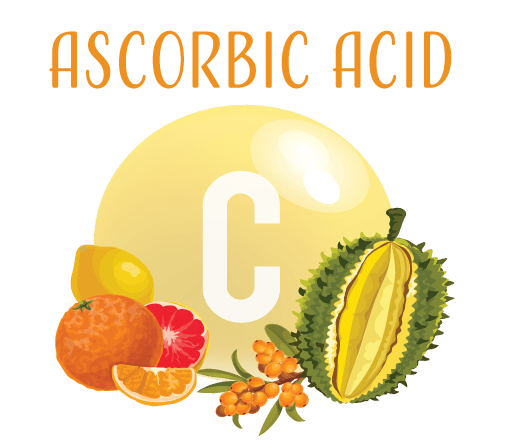
Ascorbic Acid
VitaminVitamin C, also known as ascorbic acid, is a vital nutrient that plays many important roles in the body. With the ability to act as an antioxidant, vitamin C helps to protect cells against damage caused by free radicals and oxidative stress. Furthermore, the vitamin is necessary for the production of collagen, a protein that provides structure to the skin and connective tissue.
The human body needs vitamin C, but it cannot produce it on its own. As such, we must get it through our diet. Foods such as citrus fruits, strawberries, kiwis, red and green peppers, and broccoli are excellent natural sources of vitamin C.
Vitamin C also aids in iron absorption and immunity. Without enough vitamin C, you may experience symptoms such as fatigue and frequent illnesses.

Vitamin C is essential as an antioxidant that protects cells and aids in tissue growth. As well as aid in collagen formation, which is important in maintaining skin structure.

Vitamin C prevents cardiovascular disease by widening blood vessels and improving blood flow. It also increases nitric oxide production, which prevents blood clot formation and plaque instability in atherosclerosis.

Vitamin C is essential for collagen production, which is crucial for connective tissues like skin, tendons, and ligaments. It also helps metabolize proteins for growth and repair.
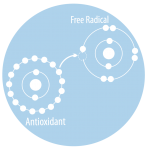
Act as an anti oxidant to protect cells from free radical damage. Ascorbic acid has been shown to scavenge free radicals directly in the circulatory system. It has also been shown and has been shown to regenerate other antioxidants within the body, including Vitamin E

A lack of Vitamin C in the skin reduces the production of collagen, leading to a loss of elasticity and firmness. This can cause fine lines and wrinkles to appear prematurely. Additionally, ascorbic acid plays a vital role in protecting the skin from environmental stressors such as UV rays and pollution. A deficiency in this nutrient can hinder this protective function, making the skin more prone to damage and discoloration.

Scurvy is a disease caused by a deficiency in ascorbic acid. Symptoms include fatigue, gum disease, muscle weakness, and eventually skin lesions and internal bleeding. Historically, scurvy was common among sailors and others who went long periods without access to fresh fruits and vegetables. Thankfully, scurvy is now easily preventable by consuming an adequate amount of vitamin C.

One of the most common symptoms of ascorbic acid deficiency is fatigue. This occurs because vitamin C is essential for the production of carnitine, a molecule that helps our bodies convert fat into energy. Without enough vitamin C, our bodies may struggle to produce enough carnitine, leading to feelings of tiredness and lethargy.

Low levels of ascorbic acid can cause joint pain and stiffness. Without enough vitamin C, the body cannot produce enough collagen, which forms the structure of cartilage and cushions joints. Ascorbic acid also has antioxidant properties that reduce inflammation in the joints and remove harmful free radicals, reducing the risk of joint damage and pain.

Hair loss can be caused by genetics, stress, lifestyle, and oxidative stress. Ascorbic acid is a potent antioxidant that can protect hair from damage and enhance collagen synthesis, which strengthens and makes hair less prone to breakage. Introducing more vitamin C-rich foods can improve hair growth and hair protection.

Studies have shown that ascorbic acid can help support the growth of beneficial gut bacteria, while also inhibiting the growth of harmful bacteria. This is due to its antioxidant properties, which help to neutralize harmful free radicals that can damage the gut microbiome. In addition to this, vitamin C has been found to help improve digestion and nutrient absorption, which can further support gut health. It can also help reduce inflammation in the gut, which is a key factor in the development of various digestive disorders.
Vitamin C can really help our body absorb iron from plant foods? If you want to get the most out of your meals, try drinking a small glass of fruit juice or chowing down on some C-rich foods at mealtime.
Pro tip: raw and ripe foods have the most concentration of Ascorbic Acid because it can sometimes get destroyed by heat and light.

Ascorbic Acid isn’t just good for our insides, it’s great for our skin too! Our skin already has C vitamins which helps produce collagen and shield against the sun. You’ve probably heard of Vitamin C creams and serums for skincare, but honestly, if you’re already getting enough through food or supplements, a topical cream might not make a huge difference.
THE RECOMMENDED DAILY INTAKE ON AVERAGE, ADULT MEN AND WOMEN ARE ADVISED TO CONSUME 75-90 MILLIGRAMS OF VITAMIN C PER DAY.
Fruits, Vegetable & Leafy Greens
Roots

One medium-sized sweet potato contains about 35% of the daily value (DV) of Ascorbic Acid
ORGANIC FRUIT
Guava: A small guava fruit contains 206 mg of Vitamin C, which is more than twice the daily value.
Red Bell Pepper: One large red bell pepper contains 209 mg of Ascorbic Acid
Kiwifruit: One medium-sized kiwifruit contains about 71 mg of Vitamin C.
Oranges: One medium-sized orange contains 70 mg of C vitamin .
Strawberries: One cup of strawberries contains 97 mg of Ascorbic Acid.
Pineapple: One cup of pineapple chunks contains 79 mg of Ascorbic Acid.
Papaya: One small papaya fruit contains 95 mg of Vitamin C.
Mango: One small mango fruit contains 60 mg of Ascorbic Acid
Lemon is an excellent source providing around 33-44% of the recommended daily value.
In one big grapefruit, you can get up to 120% of the daily recommended value.
One tomato contains approximately 28% of the recommended daily
LEAFY GREENS
 Recipes
Broccoli: Half a cup of cooked broccoli contains 51 mg of Vitamin C.
Brussels sprouts: Half a cup of cooked Brussels sprouts contains 48 mg of C vitamins.
A one cup serving of cauliflower provides approximately 77% of the daily value
Create a free account to unlock recipes for each source, and start turning this into meals.
Try FeedMeFood for free