Back
Back Source Code Food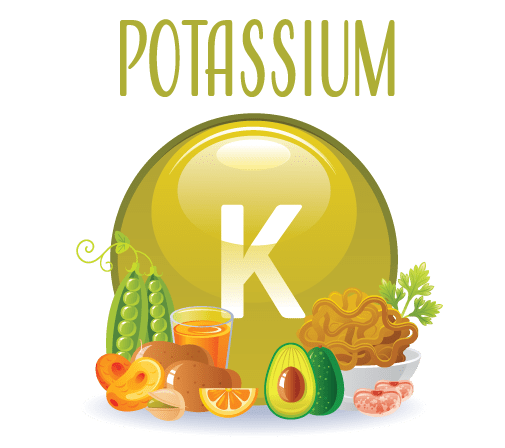
Essential Mineral
MineralA trace mineral needed for hormone secretion. Involved in maintaining a healthy nervous system & regular heart rhythm. Potassium function is known to decrease with age.
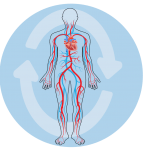
Maintaining healthy circulatory system, Maintaining stable blood pressure, regular heart rhythm, and prevents stroke

Important for chemical reactions within cells and regulates the transfer of nutrients through membrane
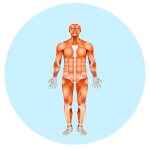
Potassium aids in transmitting electrical chemical impulses and proper muscle contraction
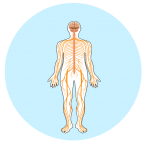
Potassium aids in transmitting electrical chemical impulses

Helps regulate fluid balance

A symptom of deficency is abnormally dry skin, acne
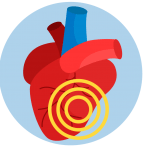
Fluctuations in heart beat, High cholesterol, Low blood preassure

Cognitive impairment, Depression, Nervousness, Chills

Glucose intolerance

Diarrhea and Constipation

Nausea and vomiting
Muscular fatigue and weakness, Respiratory distress

Periodic headaches
Insatiable thirst, edema or water retention, excessive sweating and salt retention
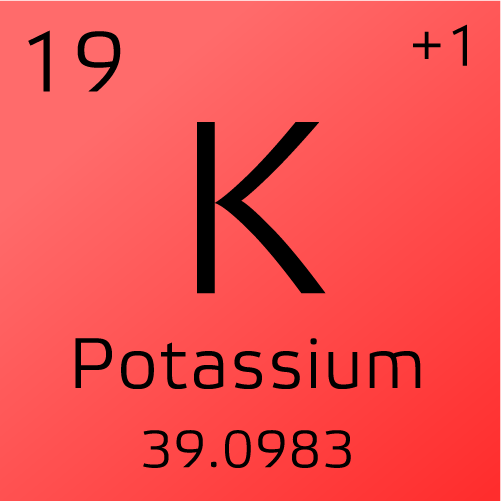
Potassium is an alkali metal and is highly reactive with water and air.
The metal is soft enough to be easily cut with a knife and can be easily shaped into various forms.
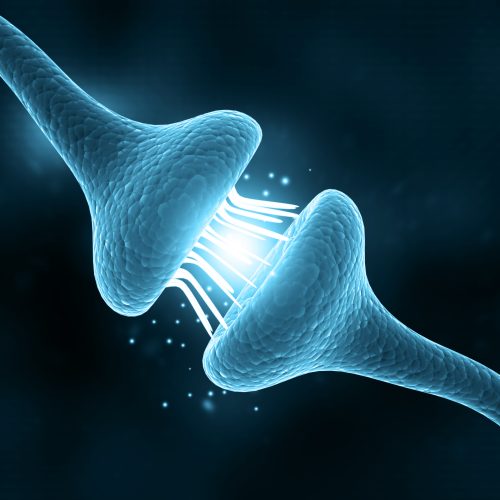
Potassium ions are positively charged, and they are responsible for maintaining the electrical neutrality and balance of the cells. They assist in generating electrical impulses that facilitate the communication between the cells, tissues, and organs in the body.

Potassium is so reactive that it can ignite spontaneously when exposed to water.
It can produce a violet flame when burned – often seen in fireworks.
THE DAILY RECOMMENDED INTAKE OF POTASSIUM IS AROUND 2,500 TO 3,000 MILLIGRAMS FOR ADULTS.
Meat & Protein

Grass-Fed Red Meat

Cooked bison provides around 345 milligrams.
A 3.5oz serving can provide over 300 mg.
One 3.5oz serving can provide over 250 mg .
Just 3.5oz serving can provide over 300 mg of potassium.
A 3.5oz serving can provide over 350 mg.
White Meat
Chicken breast: A 3-ounce serving of chicken breast contains about 218 mg .
A 3-ounce serving of turkey breast contains about 223 mg of potassium.
One 3-ounce serving of pork tenderloin contains about 275 mg .
A 3-ounce serving of rabbit contains about 259 mg.
3-ounce serving of quail contains about 137 mg.
One 3-ounce serving of Cornish hen contains about 182 mg.
A 3-ounce serving of pheasant contains about 192 mg.
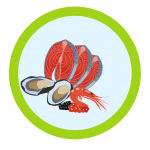
FISH AND SEAFOOD
100g of mussels contain around 534mg of potassium.
100g of clams contain around 628mg of potassium.
100g of octopus contain around 500mg of potassium.
100g of wild salmon contain around 350mg of potassium.
100g of canned tuna contain around 237mg.
100g of shrimp contain around 248mg.
100g of scallops contain around 393mg.
100g of halibut contain around 430mg.
100g of cod contain around 439mg.
100g of crab contain around 373mg.
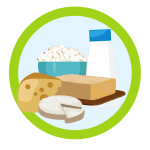
Grass-Fed Dairy
Yogurt made from grass-fed milk contains about 200-300mg of potassium per 100g serving.
Butter is a good source of dietary potassium containing around 25mg of potassium per tablespoon.
Cheddar and Swiss are excellent sources of potassium, with roughly 100-200mg of potassium per ounce.
Milk contains around 150-170mg of potassium per 100ml.
Kefir is a cultured dairy product that is rich in potassium, calcium, and other minerals with around 100mg of potassium per 100ml serving.

BEANS & LEGUMES
A cup of cooked lima beans contains about 969 milligrams, which is a significant percentage of the recommended daily intake.
1 cup of cooked soybeans providing approximately 885 milligrams of potassium.
A half-cup serving of cooked lentils contains around 365 milligrams.
A one-cup serving of cooked kidney beans contains approximately 713 milligrams.
A one-cup serving of cooked chickpeas contains around 477 milligrams.
A half-cup serving contains about 354 milligrams.
Provide around 611 milligrams per one-cup serving when cooked.
A one-cup serving of cooked pinto beans provides around 746 milligrams.
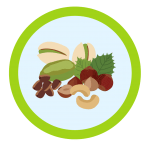
NUTS & SEEDS
One ounce of almonds contains 200 mg .
Just one ounce of pistachios contains 310
One ounce of pumpkin seeds contains 200 mg.
1 ounce of sunflower seeds contains 200 mg
Cashews – One ounce of cashews contains 180 mg.
Pine nuts – One ounce of pine nuts contains 190 mg of potassium.
Hazelnuts – One ounce of hazelnuts contains 200 mg.
One ounce of Brazil nuts contains 186 mg.
Walnuts – One ounce of walnuts contains 125 mg.
Fruits, Vegetable & Leafy Greens
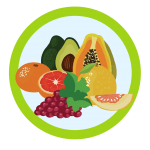
ORGANIC FRUIT
Half of an avocado delivers around 485 mg
One medium-sized banana contains around 400-450 mg.
One serving of figs typically contains around 257 milligrams
One cup of pineapple chunks contains around 180 mg.
One medium-sized orange contains around 240 mg.
Tomatoes are a good source of potassium, with approximately 237mg per 100g serving.
One cup of cantaloupe contains around 430 mg.
An average serving size of three dates contains around 500 mg
Just one kiwi contains around 240 mg.
On average, a medium-sized mango weighing around 200 grams contains around 277 milligrams.
One medium-sized papaya contains around 390 mg.
A single wedge of watermelon (approx 300g) contains around 640 mg.

Squash
Contains 582mg in 1 cup serving. Cooking may slightly decrease the potassium levels, but it remains a healthy and delicious diet addition.
Acorn squash has around 448 milligrams per cup of cooked squash.
One cup of cooked pumpkin squash contains about 564 milligrams.
Spaghetti squash with a medium-size squash containing around 440 milligrams of potassium.
A 100-gram serving of zucchini contains 261 milligrams.
Roots
Sweet potatoes: A medium-sized sweet potato packs around 542 milligrams.
Potatoes: A medium-sized potato contains 610 milligrams.
Beets: A half-cup of cooked beets provides 259 milligrams.
Carrots: A half-cup of cooked carrots provides 205 milligrams of potassium.
Turnips: A half-cup of boiled turnips provides around 243 milligrams.
Parsnips: A half-cup of cooked parsnips provides around 331 milligrams of potassium.
Grains, Herbs, Oils & Roots
HERBS
A 100-gram serving of raw hops contains approximately 447 milligrams.
A typical serving of nettle (one cup) contains approximately 300-500 milligrams.
In particular, parsley is a great source of potassium, with a 100-gram serving containing about 554 milligrams.
Dill contains approximately 208mg of potassium per 100g of fresh leaves.
A 100-gram serving of fresh basil contains 295 milligrams.
One tablespoon of fresh cilantro contains approximately 24 milligrams.
Just one tablespoon of fresh chives contains approximately 19 milligrams.
WHOLE GRAINS
 Recipes
Quinoa: One cup of cooked quinoa contains approximately 318mg of potassium.
Brown rice: One cup of cooked brown rice contains about 84mg.
Oats: One cup of cooked oatmeal contains approximately 164mg of potassium.
Barley: One cup of cooked barley contains around 234mg.
Millet: One cup of cooked millet provides about 108mg of potassium.
Buckwheat: One cup of cooked buckwheat contains approximately 85mg.
Wild rice: One cup of cooked wild rice supplies around 166mg of potassium.
Create a free account to unlock recipes for each source, and start turning this into meals.
Try FeedMeFood for free