Back
Back Source Code Food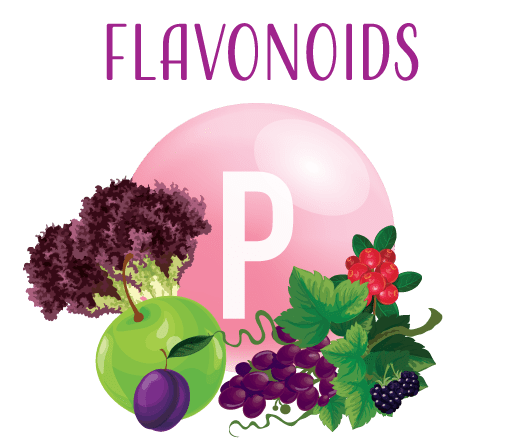
Plant Compounds
SupportiveFlavonoids are phytonutrients commonly found in almost all fruits and vegetables. These diverse group of phytochemical have a variety of health benefits.
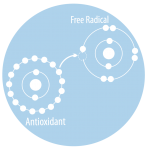
Free-radical defenders “antioxidants” They are also involved in repair of DNA and maintain cell health.

Blocks beta-amyloid plaque buildup in the brain, a trademark of Alzheimer’s

Increased blood flow

Flavonoids inversely affects Cardio vascular disease.
One interesting fact is that flavonoids are responsible for giving many fruits and vegetables their vibrant colors.

Dark chocolate is an excellent source of flavonoids, particularly flavanols, which can improve heart health.
THE DAILY RECOMMENDED INTAKE OF FLAVONOIDS IS AROUND 200 AND 250 MILLIGRAMS PER DAY FOR ADULTS.
Fruits, Vegetable & Leafy Greens
LEAFY GREENS

Kale can contain anywhere from 10 to 100 milligrams of kaempferol per 100 grams of raw kale. While this may seem like a small amount, research suggests that even small amounts of can have powerful anti-inflammatory and antioxidant effects in the body.
One cup of raw spinach (30 grams) contains approximately 0.067 milligrams of flavonoids.
100 grams of arugula contains around 16.76 milligrams of flavonoids on average.
Contained up to 215 mg per 100 grams of fresh weight. This makes Swiss chard one of the top flavonoid-rich vegetables, along with kale, broccoli, and spinach.
Romaine lettuce (85g or 3 cups) has 4-5mg flavonoids including quercetin, kaempferol, and luteolin that offer health benefits like inflammation reduction, heart health improvement, and protection against certain cancers.
100 grams of cabbage contains approximately 6 to 15 mg of flavonoids.
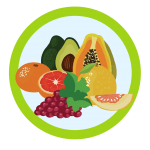
ORGANIC FRUIT
Grapes have 0.5 to 1.5 mg of flavonoids per gram – 100g serving has 50-150mg of flavonoids. Types of flavonoids in grapes are quercetin, kaempferol, and resveratrol.
A 100-gram serving of fresh blueberries contains an average of 121 milligrams of flavonoids. Specific types of flavonoids: anthocyanins, other flavonoids found in blueberries include flavonols and proanthocyanidins, which also have antioxidant and anti-inflammatory properties.
Tomatoes contain about 20 – 25 mg of flavonoids per 100 grams of fresh weight. The major flavonoids found in tomatoes are quercetin, kaempferol, and naringenin.
A medium-sized apple contains approximately 100-200 milligrams of flavonoids. This includes a range of different flavonoids, such as quercetin, catechin, and epicatechin.
One tablespoon of orange peel contains around 14 milligrams of flavonoids. This is about six times more than what is found in the pulp of the orange.
This means that one lemon peel may contain approximately 5 to 12 mg of flavonoids, depending on its size and weight.
Just a100-gram serving of cranberries contains up to 23.5 mg of flavonoids.
Strawberries contain approximately 150 – 300 milligrams of flavonoids per 100 grams of fresh strawberries.
One cup (144 grams) of blackberries contains around 193 mg.
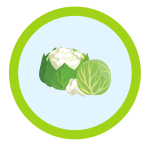
CRUCIFEROUS
A cup of Brussels sprouts contains 25 milligrams of flavonoids.
One cup of kale contains 24 milligrams of flavonoids.
1 cup of broccoli provides 18 milligrams of flavonoids.
A cup of cauliflower contains 15 milligrams of flavonoids.
One cup of cabbage provides 14 milligrams of flavonoids.
Grains, Herbs, Oils & Roots

BEANS & LEGUMES
Soybeans have 10-150 mg of flavonoids per 100g, including isoflavones like genistein, daidzein, and glycitein.
Just one cup of cooked kidney beans contains around 230-250 milligrams of flavonoids.
Black beans are a great source of flavonoids like anthocyanins, quercetin, and kaempferol. A cup of cooked black beans has about 256 mg of these antioxidants.
1 cup of cooked lentils may contain around 200-300 milligrams of flavonoids.
Chickpeas contain between 50-100 milligrams of flavonoids per 100 grams.
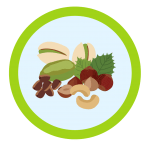
SEEDS & NUTS
These tiny seeds are among the highest sources of flavonoids, with over 200 mg per 100g.
Another small but mighty seed that is packed with health-promoting flavonoids. Just 2 tablespoons of flaxseed provides around 50 mg of flavonoids.
These popular nuts contain around 30 mg of flavonoids per 100g, making them a great snack or addition to your meals.
This flavorful nut that is rich in flavonoids, with around 20 mg per 100g
These brain-shaped nuts are a great source of healthy fats and flavonoids, with around 15-20 mg per 100g.
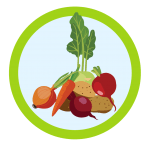
Roots
Onions contain around 100-170 mg of flavonoids per 100 grams of fresh weight. Red onions tend to have higher flavonoid levels than yellow or white onions, with some studies reporting levels of up to 900 mg per 100 grams.
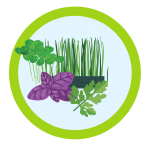
HERBS
 Recipes
One cup (8 ounces) of brewed green tea contains about 50-100 mg of flavonoids.
Oolong tea contains up to 150 mg of flavonoids per 100 ml of tea.
A cup of black tea contains about 50-100 milligrams of flavonoids.
Chamomile may range from 1.5% to 3%.
Just 100-gram serving of fresh parsley contains between 100 and 200 milligrams.
A single tablespoon of fresh thyme leaves contains around 4-7 mg of flavonoids. Dried thyme, on the other hand, can contain up to 11mg of flavonoids per tablespoon.
Dry rosemary can contain up to 4%.
About a quarter-cup of chives can contain as much as 8-16 milligrams of quercetin.
Ginkgo biloba is a traditional herb believed to improve cognitive function and treat health issues. It contains flavonoids as the key compound, making up 24-32% of ginkgo biloba extracts. Quercetin and kaempferol are the most abundant flavonoids.
Create a free account to unlock recipes for each source, and start turning this into meals.
Try FeedMeFood for free