Back
Back Source Code Food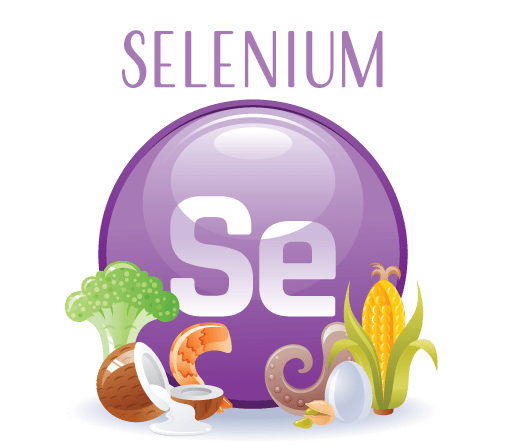
Trace Mineral
MineralSeleniums main function is to inhibit oxidation of lipids. When combined with vitamin E it protects the immune system by preventing free radicals from forming.

Protection against infection
Needed for DNA synthesis
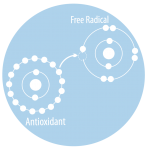
Selenium helps protect cells against damage from free radicals when combined with vitamin C

Needed for conversion of proteins, fats and carbohydrates for healthy digestion. Plays role in thyroid hormone metabolism

Plays an important role in the the nervous system. especially in the brain where it acts with enzymes and proteins involved in anti-oxidative defenses

Linked to sterility

Can lead to growth impairment

Arthritis

Has been linked to exhaustion and insomnia, excessive amounts of selenium can lead to irritability

A deficiency has been linked to heart disease, high cholesterol and cancer

An excess can cause hair-loss, brittle nails, skin eruptions pale or yellowish skin, and garlicky breath
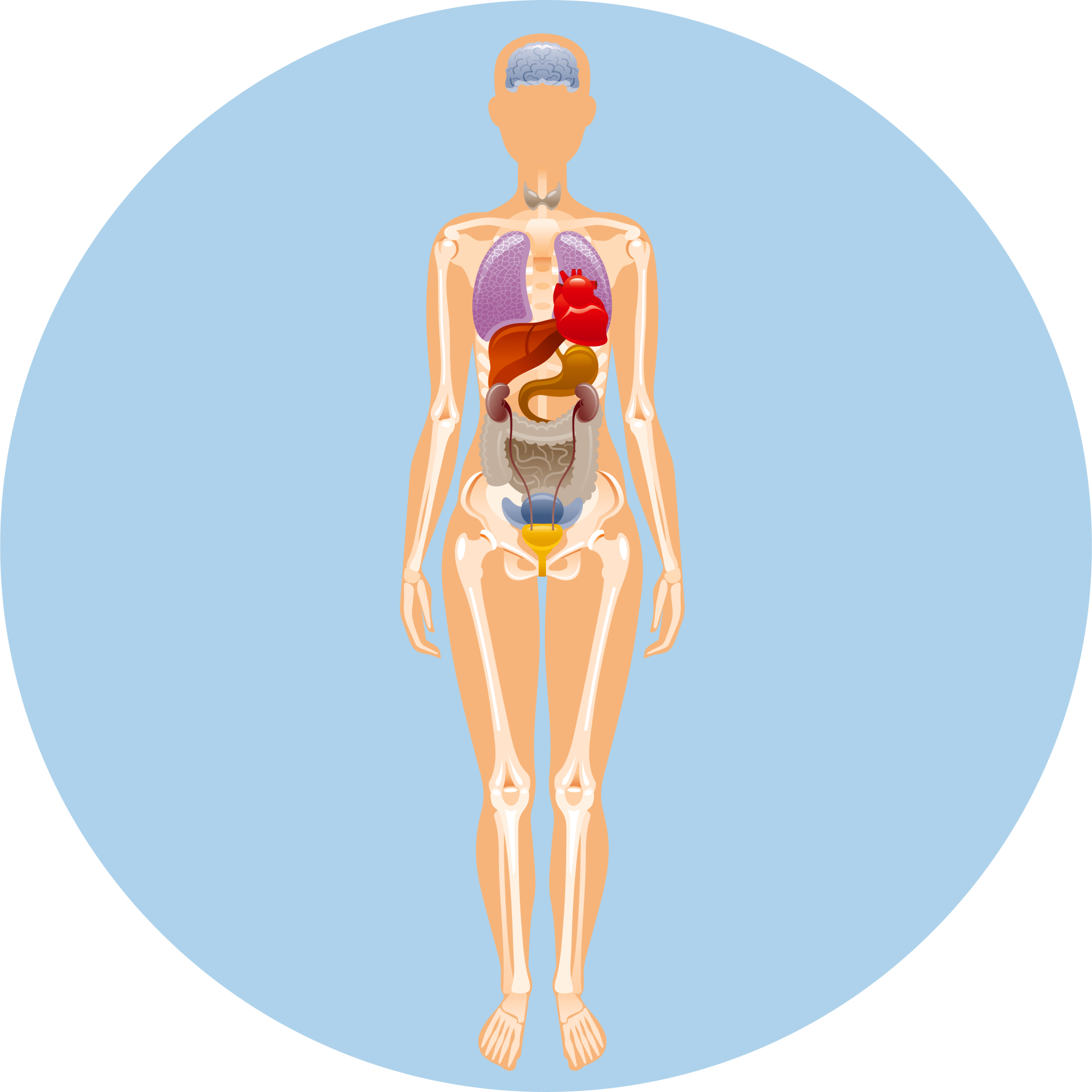
Excessive amounts of selenium can lead to liver and kidney impairment

Selenium is a chemical element with the atomic number 34 and symbol Se. It is a non-metal that was discovered by the Swedish chemist Jöns Jakob Berzelius in 1817. The element is named after the Greek word “selene”, which means Moon. It is found in small amounts in the Earth’s crust and is a byproduct of the refining of copper and other metals.

Selenium is also an important component in the electronics industry, as it is used in the production of photovoltaic cells and solar panels.

Commonly found in soil and is absorbed by plants. The amount of selenium in a plant-based food depends on the type of soil it was grown in.
THE RECOMMENDED DAILY INTAKE FOR ADULTS IS 55 MCG
Meat & Protein

Grass-Fed Red Meat

One 3-ounce serving of cooked lamb containing around 23 mcg of selenium.
This meat contains a whopping 132 mcg per 3-ounce serving.
A 3-ounce serving of cooked beef containing around 34 mcg
A good source of selenium, with a 3-ounce serving of cooked pork containing around 27 mcg
A 3-ounce serving of cooked venison containing around 20 mcg of selenium.

Grass-Fed Dairy
An 8 oz glass of grass-fed milk contains approximately 8 mcg of selenium.
Cheddar cheese, for example, contains approximately 5 mcg of selenium per ounce.
One tablespoon of grass-fed butter contains approximately 1.25 mcg
A serving of yogurt (approx. 6 oz) contains around 16 mcg .
FISH & SEAFOOD
A 3-ounce serving of canned tuna fish contains around 65% of the daily recommended intake.
A 3-ounce serving can contain up to 40% of the daily recommended intake.
3-ounce serving of cod fish may contain up to 27% of the daily recommended intake of selenium.
One 3-ounce serving of cooked salmon can contain up to 25% of the daily recommended intake.
A 3-ounce serving of sardines (canned in oil) contains approximately 35% of the daily recommended intake.
Just a 3-ounce serving of halibut may contain up to 32% of the daily recommended intake.
Grains, Herbs, Oils & Roots
NUTS & SEEDS
Just one ounce of Brazil nuts contains about 544 micrograms.
A quarter-cup of sunflower seeds has about 19 micrograms of selenium.
Two tablespoons of flaxseed provide approximately 10 micrograms of selenium.
A quarter-cup of sesame seeds contains about 8 micrograms of selenium.
One ounce of cashews provides around 5 micrograms.

WHOLE GRAINS
One cup of cooked brown rice has about 19 mcg
A cup of cooked whole wheat contains approximately 28 mcg.
One cup of cooked quinoa provides about 8 mcg .
1 cup of cooked oats has approximately 12 mcg of selenium.
One cup of cooked barley contains about 19 mcg .
Just one cup of cooked rye has approximately 77 mcg of selenium.
A cup of cooked millet has about 11 mcg.
HERBS
 Recipes
Contains about 1.3 mcg of selenium per tablespoon
Contains about 14 mcg per ounce
This herb contains about 2.8 mcg per tablespoon
Contains about 2.5 mcg per tablespoon
Has about 2.2 mcg of selenium per tablespoon
Provides about 1.2 mcg of selenium per tablespoon.
Create a free account to unlock recipes for each source, and start turning this into meals.
Try FeedMeFood for free