

A practical place to start
Understanding Endometriosis
Nutrition may be relevant to some symptoms, nutrient needs, or health concerns associated with endometriosis. Research on specific dietary interventions is still developing, and no single diet has been proven to treat or cure endometriosis.
Endometriosis is a condition in which tissue similar to the lining of the uterus grows outside the uterus. It can be associated with pelvic pain, painful periods, pain with bowel movements or urination, fertility problems, and heavy menstrual bleeding.
Symptoms and severity vary widely. Medical treatment can include medication, surgery, or both, depending on symptoms, fertility goals, and other factors.
At the grocery store
Foods and patterns worth understanding
These foods are discussed for general nutrition quality and nutrient adequacy—not because they have been proven to treat endometriosis.

Vegetables and fruits
A varied produce intake supports overall nutrient and fiber intake.

Whole grains and fiber
Whole grains can support regularity and contribute minerals and B vitamins.

Omega-3-rich foods
Fish and some plant foods provide unsaturated fats that fit balanced eating patterns.
Iron-containing foods
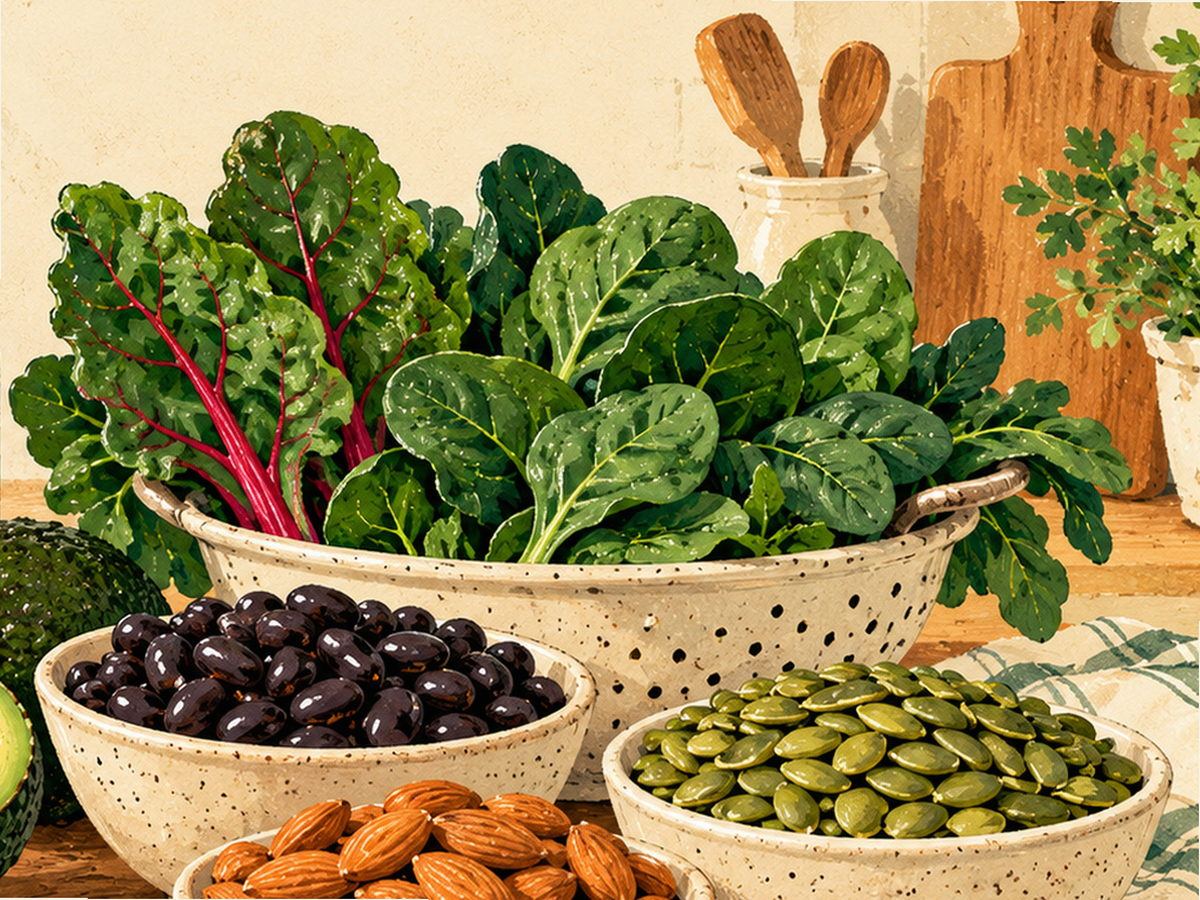
Iron-rich foods may be relevant when heavy menstrual bleeding contributes to low iron.
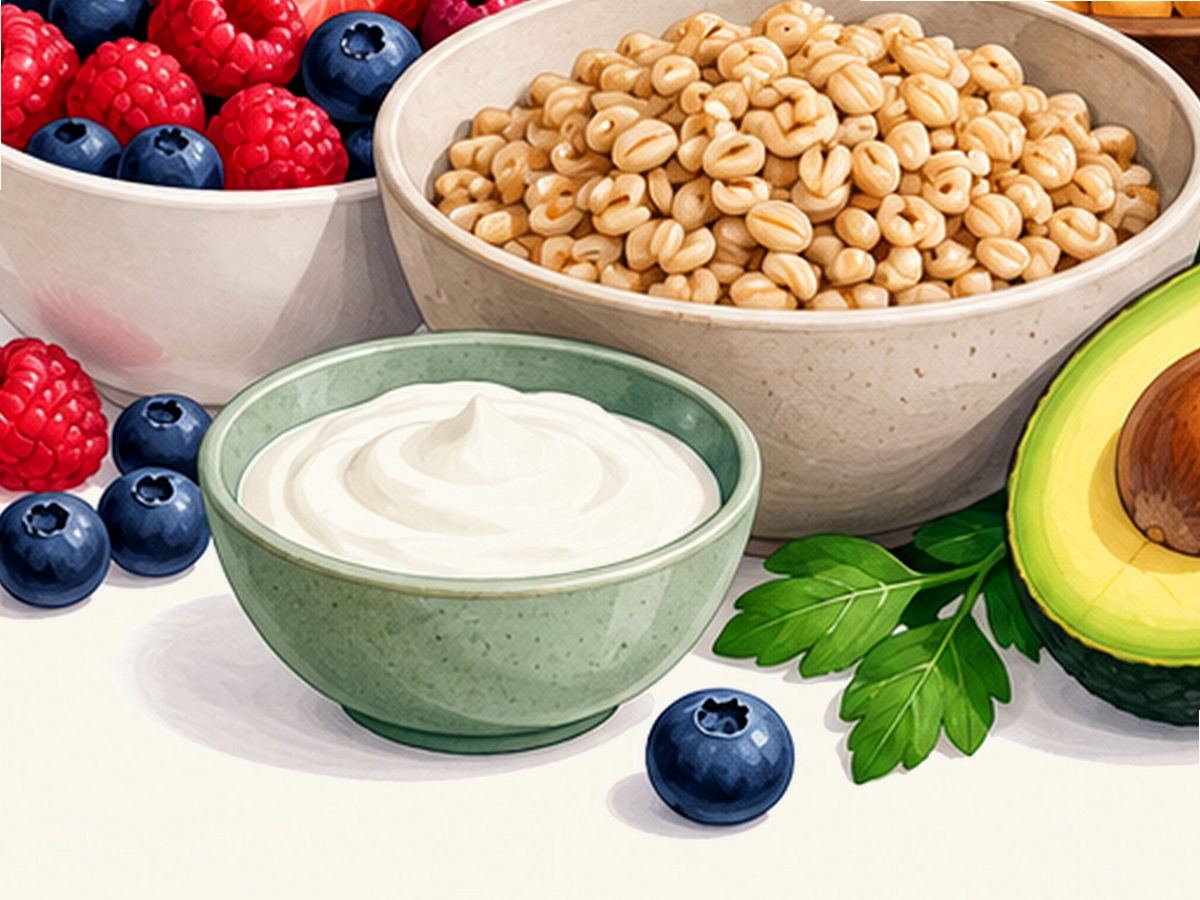
Colorful fruit
Berries, citrus, and other fruit add vitamin C and other nutrients.
In the kitchen
What this can look like in a meal
These familiar meal ideas illustrate food patterns, not a prescribed diet or a required portion size. The right choices depend on the person and their circumstances.

Oats with berries and seeds
A simple whole-grain breakfast with fruit and unsaturated fat.
Chicken, grain, and vegetable bowl
A flexible balanced meal without a restrictive food list.
Salmon with roasted vegetables
Fish plus vegetables and a familiar carbohydrate.
Fruit with nuts
A convenient snack that provides fruit and unsaturated fat.
Looking for more cooking ideas? Explore public recipes on The Fuel Board.
What the evidence shows
What research tells us
The ESHRE endometriosis guideline concludes that studies of dietary interventions are limited and generally low quality. A specific “endometriosis diet” has not been established as a treatment.
A 2025 umbrella review likewise found that nutrition research remains heterogeneous and generally low-certainty. A balanced eating pattern can still help meet overall nutrient needs, while iron status may deserve attention when heavy menstrual bleeding is present and gastrointestinal symptoms may require individualized strategies.
Individual needs matter
When more personal guidance helps
Severe or worsening pelvic pain, heavy bleeding, infertility concerns, or symptoms affecting daily life deserve medical evaluation.
If you are considering a restrictive elimination diet because of gastrointestinal symptoms, a registered dietitian can help protect nutrient adequacy and determine whether the restriction is actually useful.
Learn from the source