

What Endometriosis Is
Endometriosis is a condition in which tissue similar to the lining of the uterus grows outside the uterus. It can be associated with pelvic pain, painful periods, pain with bowel movements or urination, fertility problems, and heavy menstrual bleeding.
Symptoms and severity vary widely. Medical treatment can include medication, surgery, or both, depending on symptoms, fertility goals, and other factors.
What Research Tells Us About Nutrition
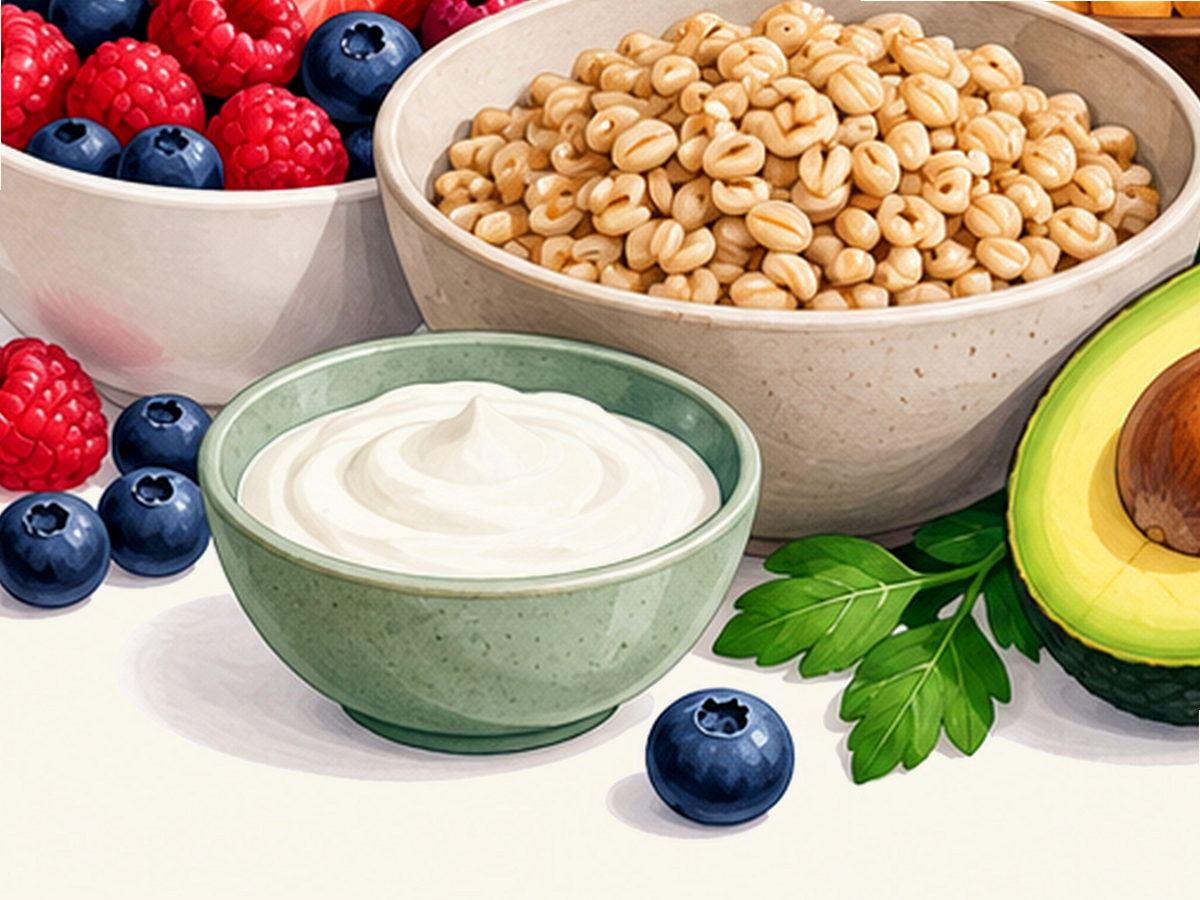
The ESHRE endometriosis guideline concludes that studies of dietary interventions are limited and generally low quality. A specific “endometriosis diet” has not been established as a treatment.
A 2025 umbrella review likewise found that nutrition research remains heterogeneous and generally low-certainty. A balanced eating pattern can still help meet overall nutrient needs, while iron status may deserve attention when heavy menstrual bleeding is present and gastrointestinal symptoms may require individualized strategies.
Foods and Nutrients Discussed in the Evidence
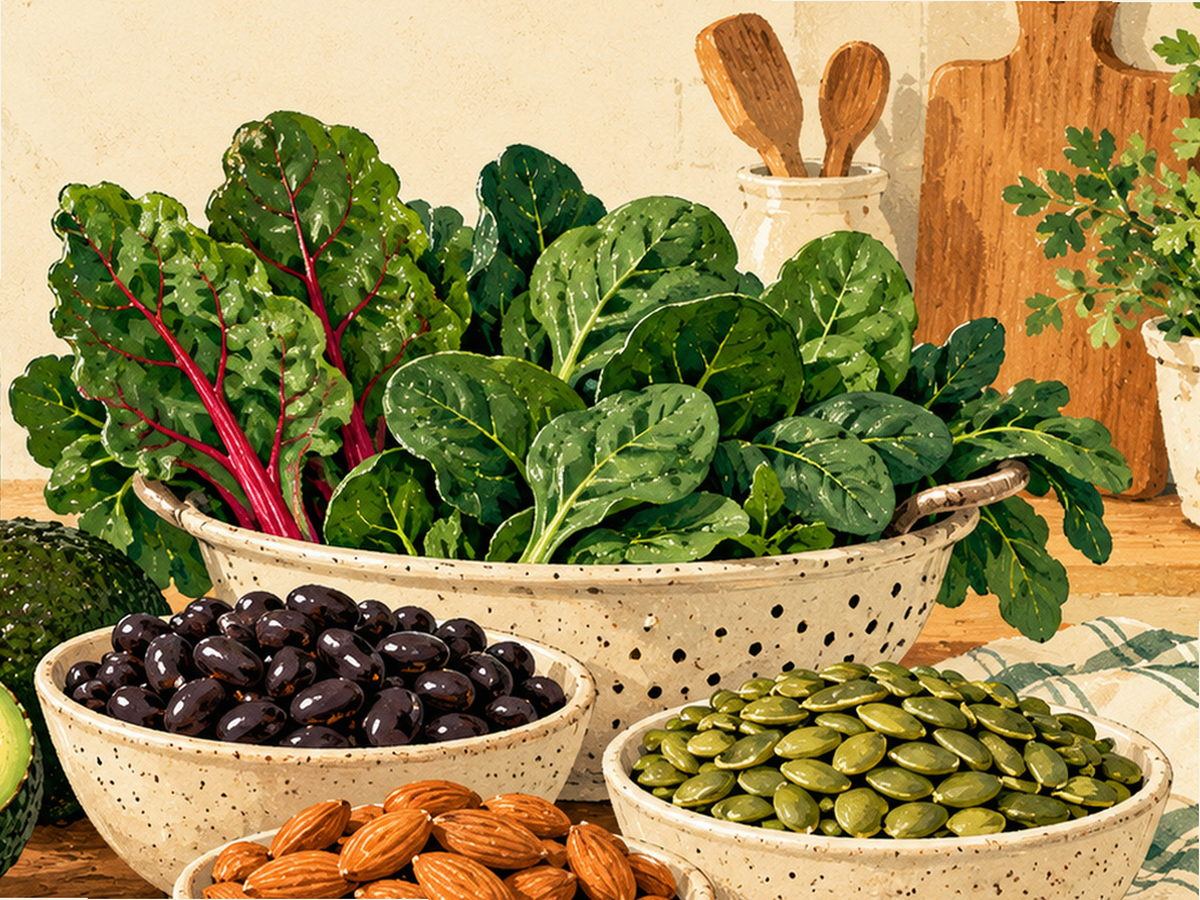
These foods are discussed for general nutrition quality and nutrient adequacy—not because they have been proven to treat endometriosis.
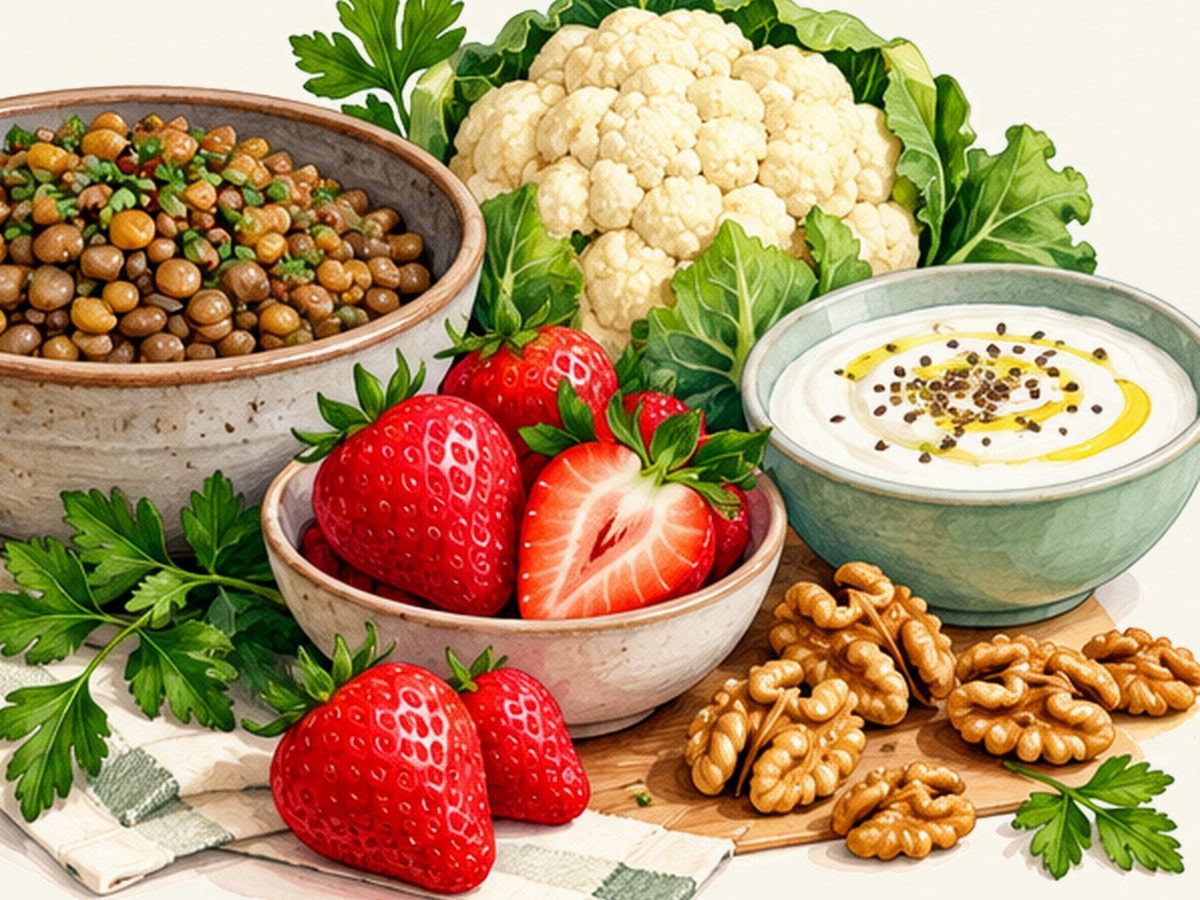
Vegetables and fruits
A varied produce intake supports overall nutrient and fiber intake.
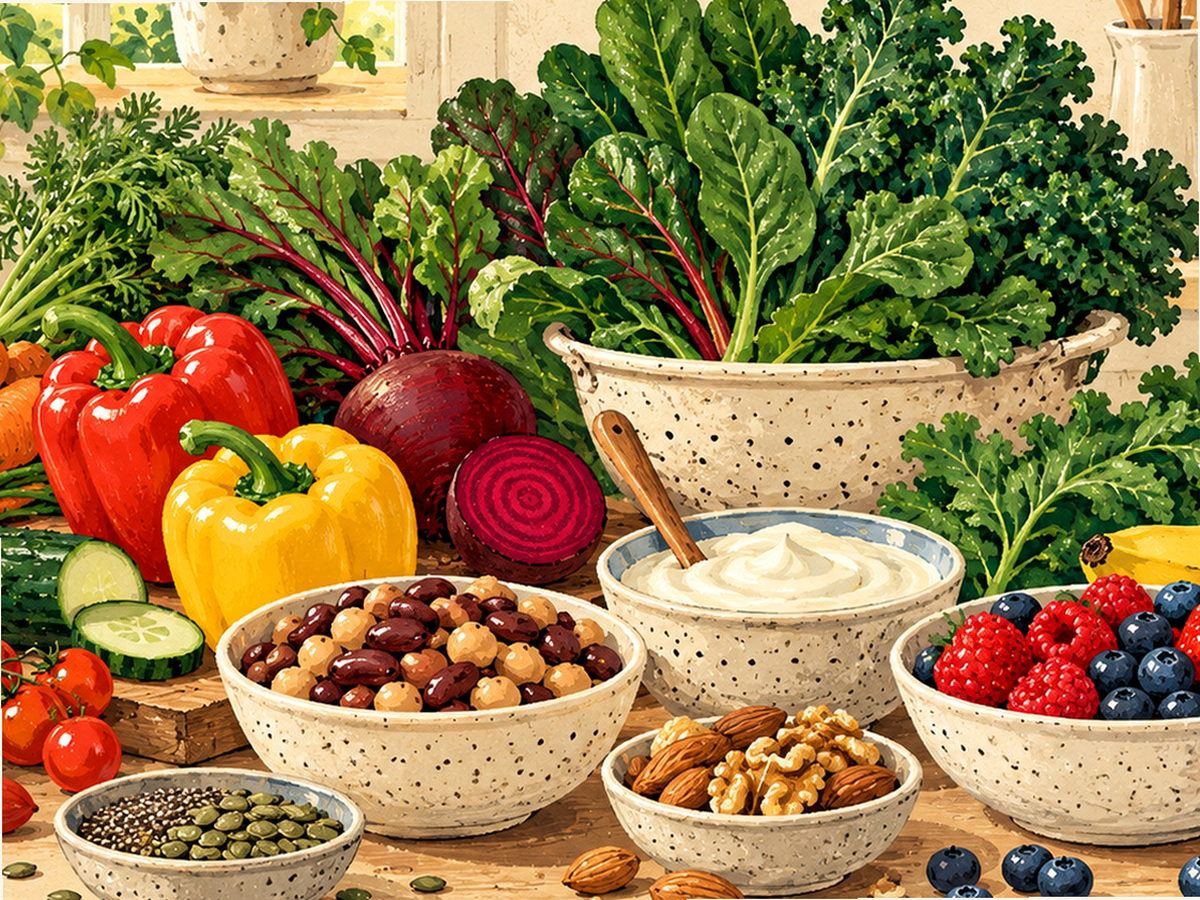
Whole grains and fiber
Whole grains can support regularity and contribute minerals and B vitamins.
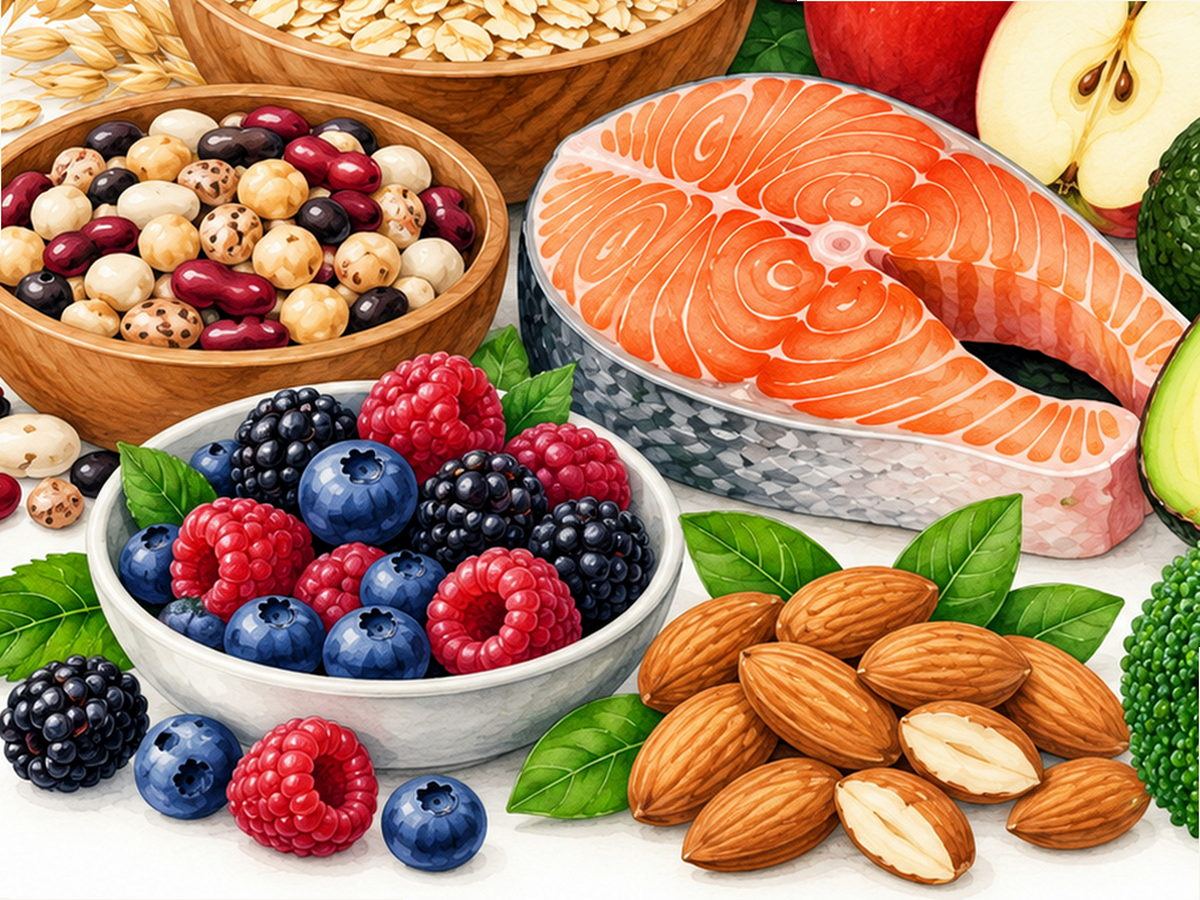
Omega-3-rich foods
Fish and some plant foods provide unsaturated fats that fit balanced eating patterns.
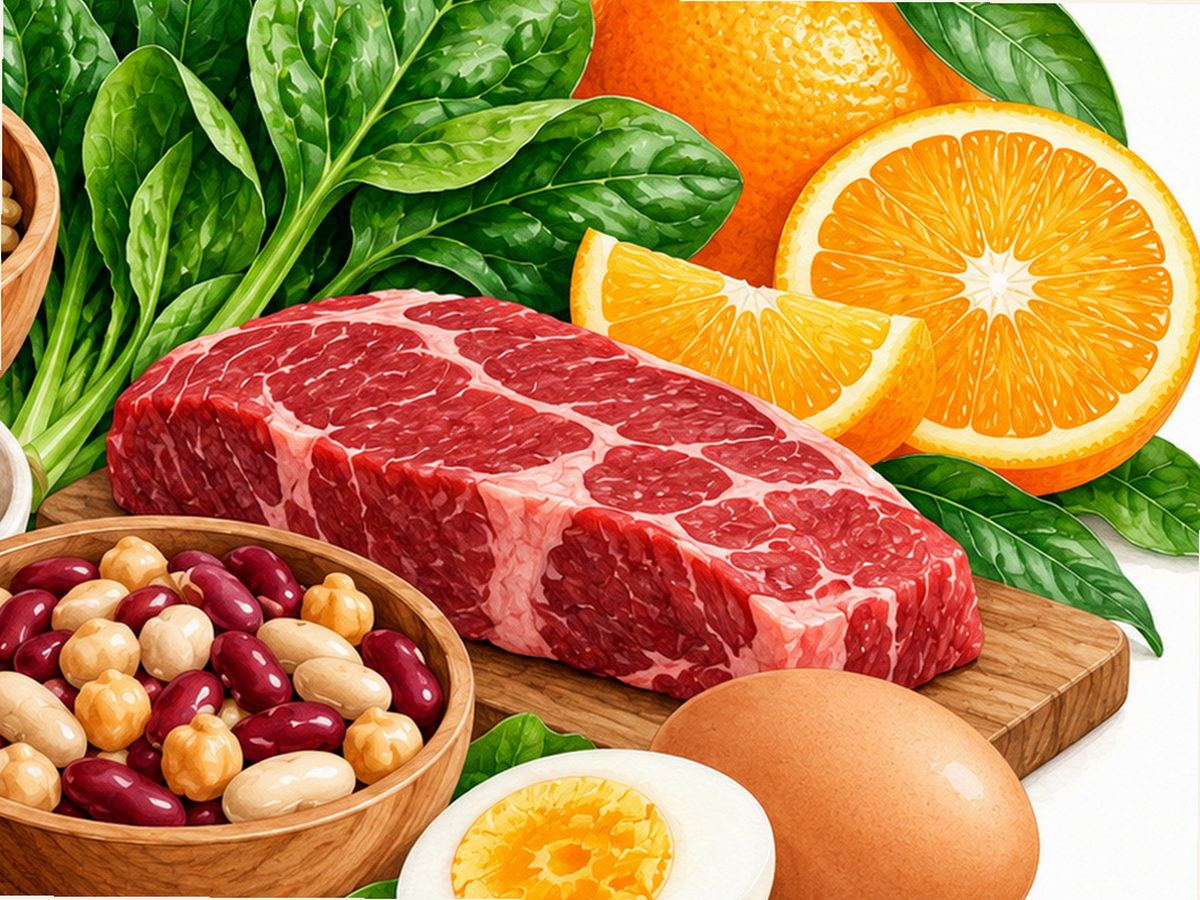
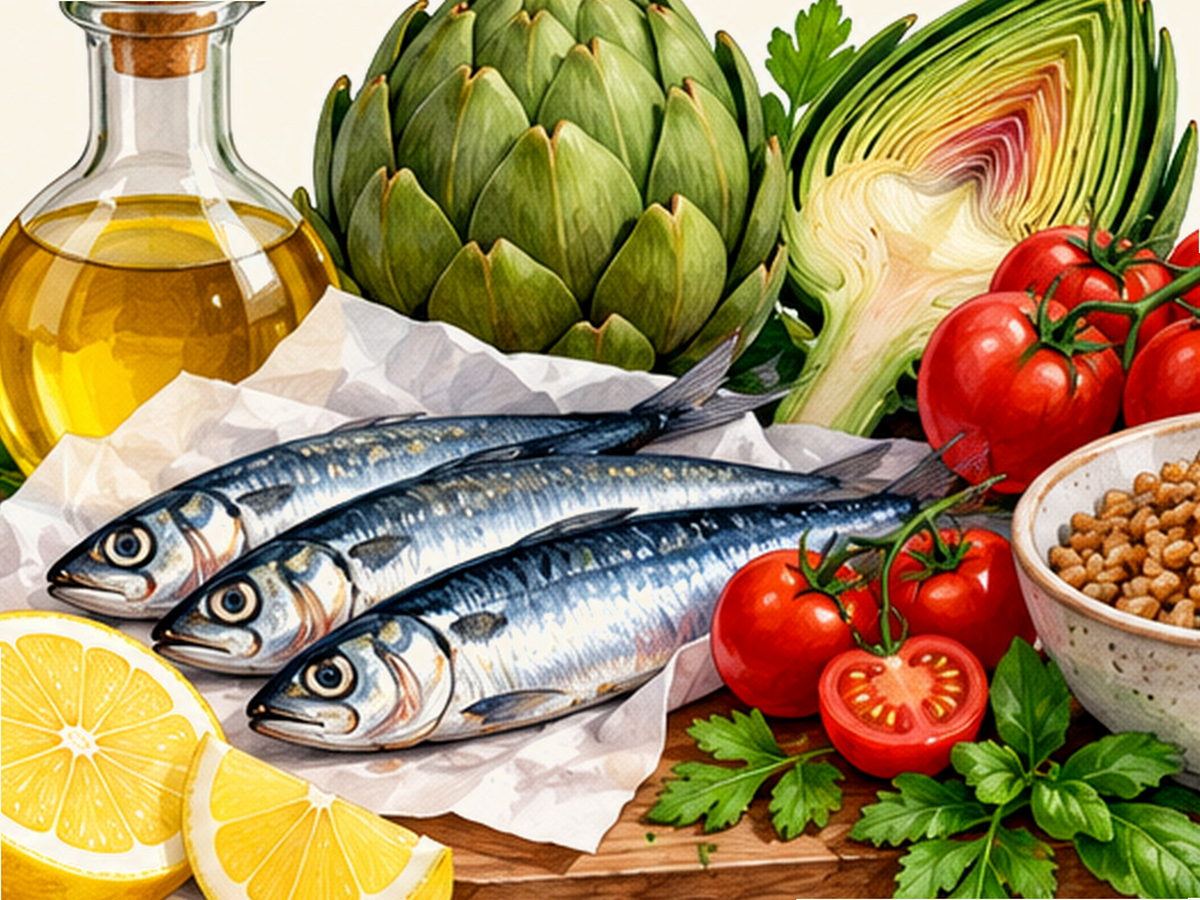
Iron-containing foods
Iron-rich foods may be relevant when heavy menstrual bleeding contributes to low iron.
Colorful fruit
Berries, citrus, and other fruit add vitamin C and other nutrients.
Everyday Meal Ideas
These are general examples of how evidence-based nutrition principles can look in ordinary meals. They are not a prescribed disease diet.
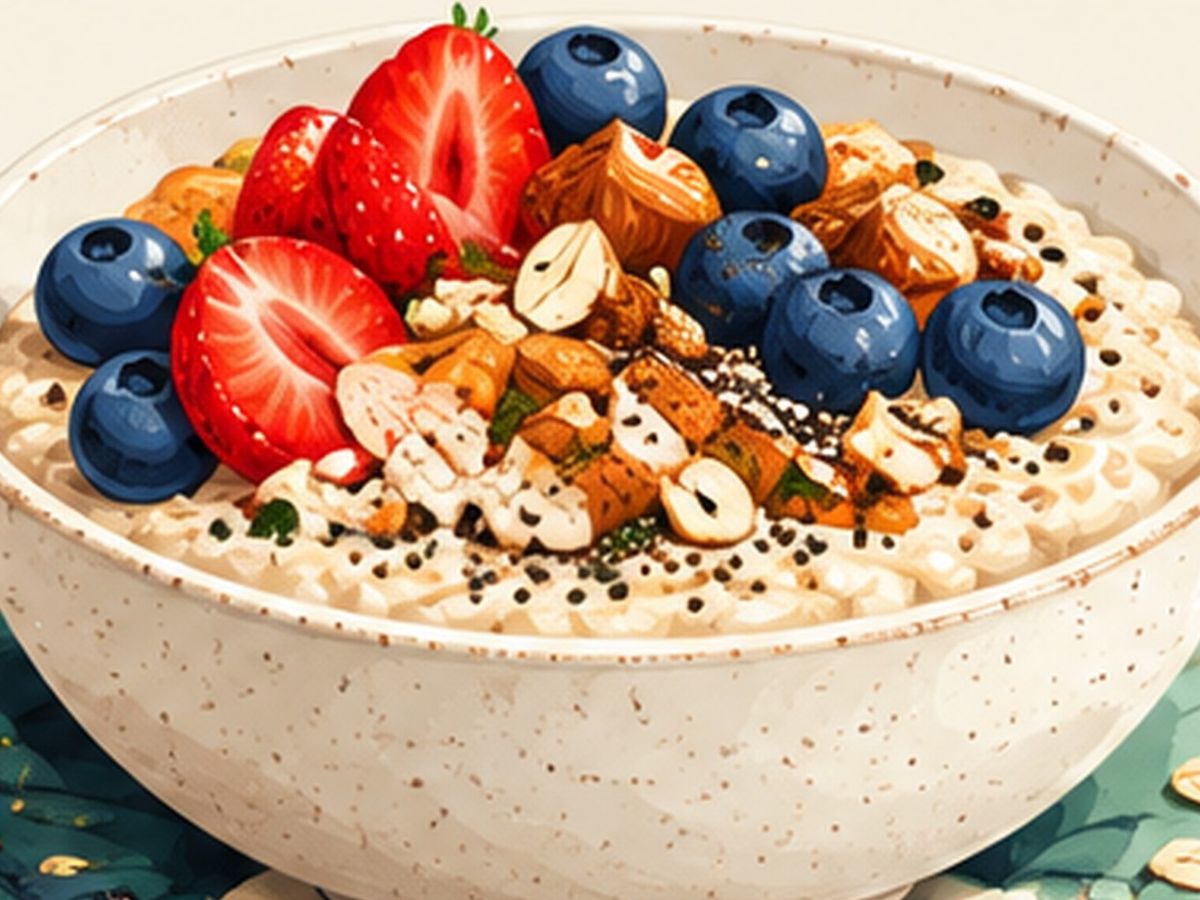
Oats with berries and seeds
A simple whole-grain breakfast with fruit and unsaturated fat.
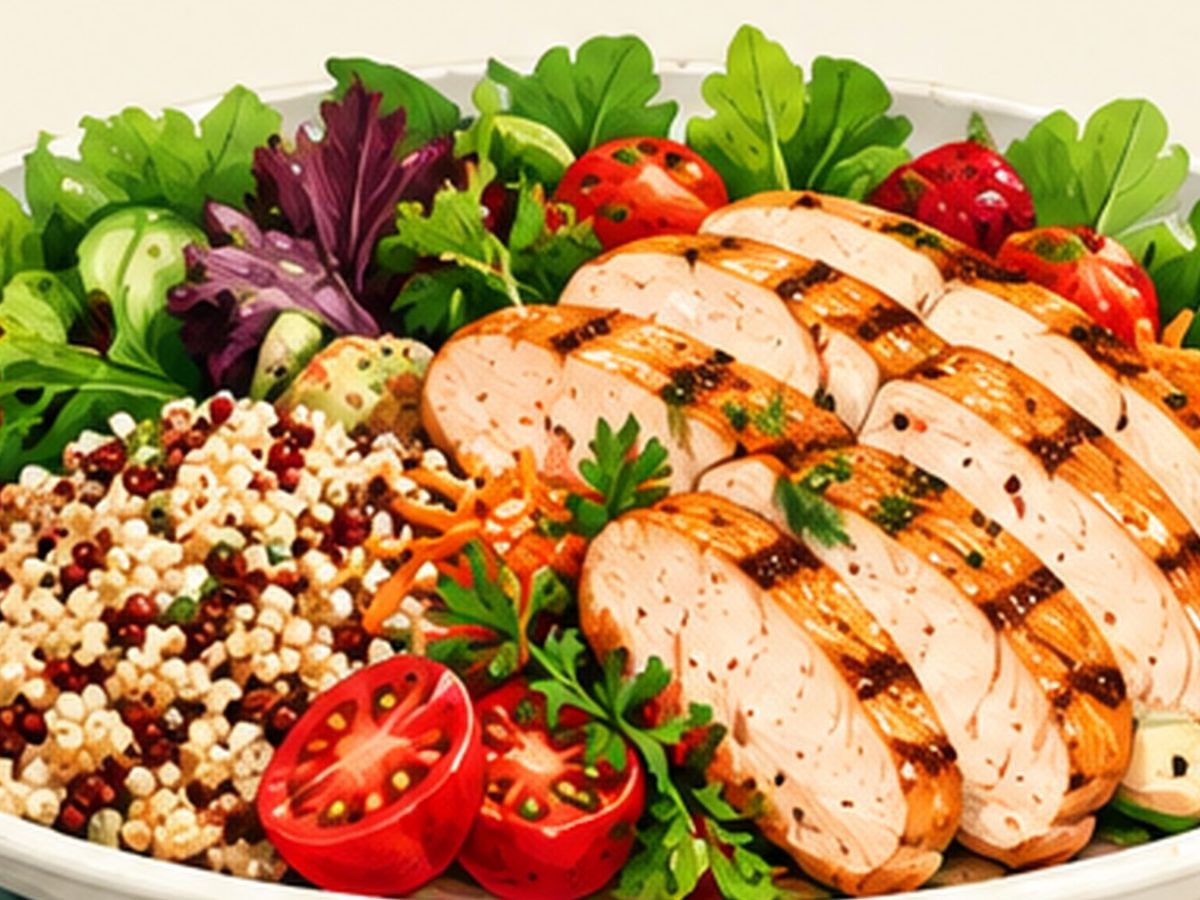
Chicken, grain, and vegetable bowl
A flexible balanced meal without a restrictive food list.
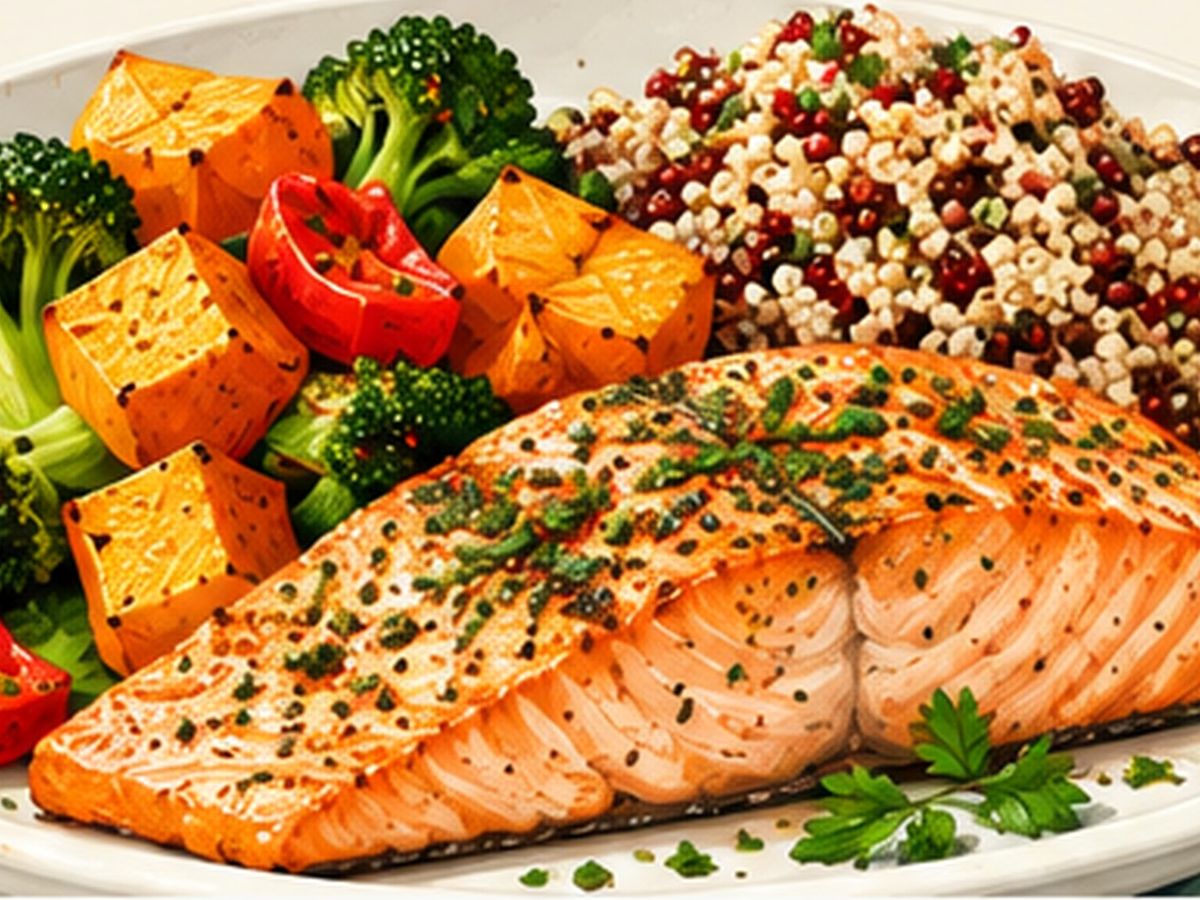
Salmon with roasted vegetables
Fish plus vegetables and a familiar carbohydrate.
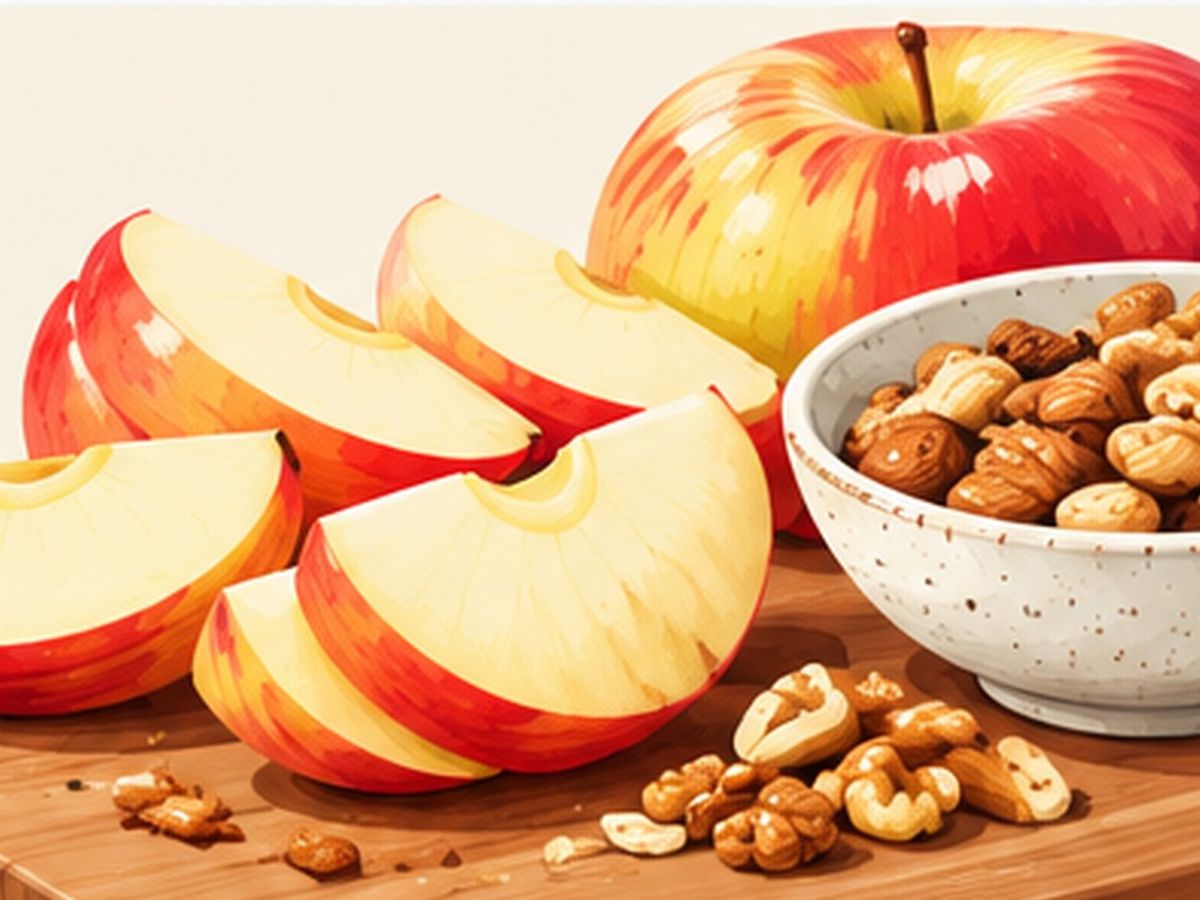
Fruit with nuts
A convenient snack that provides fruit and unsaturated fat.
Ready to make this practical?
Put this information to work.
Feed Me Food connects your recipes, Pantry, Meal Planner, and Shopping List so you can go from figuring out what to eat to having a plan for the week.
No credit card required. No automatic charge. After 7 days, keep the Full System for $2.99/month or continue with your Free account.
When Individualized Help Matters
Severe or worsening pelvic pain, heavy bleeding, infertility concerns, or symptoms affecting daily life deserve medical evaluation.
If you are considering a restrictive elimination diet because of gastrointestinal symptoms, a registered dietitian can help protect nutrient adequacy and determine whether the restriction is actually useful.
Evidence & Trusted Sources
Evidence last reviewed: October 2026
Related Nutrition Guides
For educational information only
Feed Me Food provides general food and nutrition information for educational purposes. This information is not medical advice, diagnosis, treatment, or an individualized nutrition plan and is not intended to replace care from a physician, registered dietitian, or other qualified healthcare professional.
Nutrition needs can vary based on health history, medications, allergies, pregnancy, treatment, laboratory results, and other individual circumstances. If you have a diagnosed medical condition or have received specific dietary instructions, follow any specific advice your healthcare professional has given you.