
A practical place to start
Understanding Gout
Diet can influence uric acid and gout risk, but food changes usually have a smaller effect on serum urate than urate-lowering medication when medication is indicated. Nutrition should be presented as one part of gout care—not a substitute for treatment.
Gout is an inflammatory arthritis caused by monosodium urate crystals in joints and tissues. It develops when uric acid levels are high enough over time for crystals to form, although a single uric acid result does not by itself diagnose gout.
Kidney function, genetics, medicines, alcohol, body weight, and dietary factors can all influence uric acid. Treatment may include anti-inflammatory medicines for flares and urate-lowering therapy for long-term prevention.
At the grocery store
Foods and patterns worth understanding
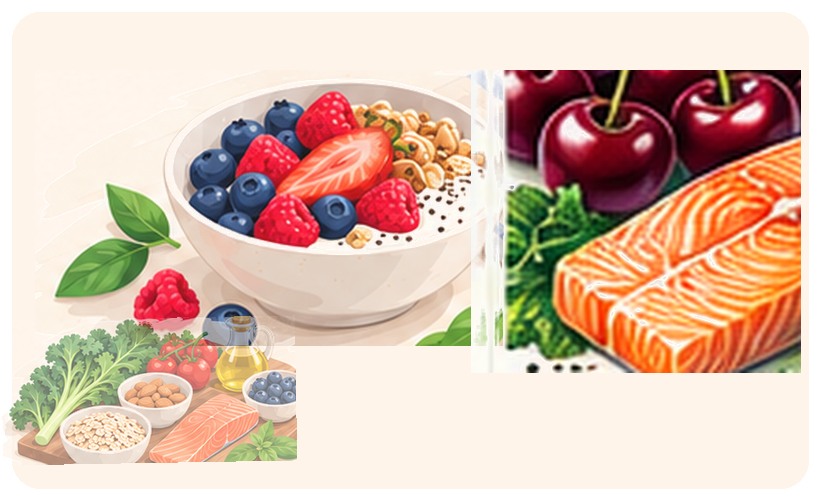
These foods and eating approaches are discussed in current guidance or research. Their role can vary with individual needs, symptoms, laboratory results, medications, and treatment.

Water and appropriate fluids
Adequate hydration can support general health unless a medical condition requires fluid restriction.

Vegetables, fruits and whole grains
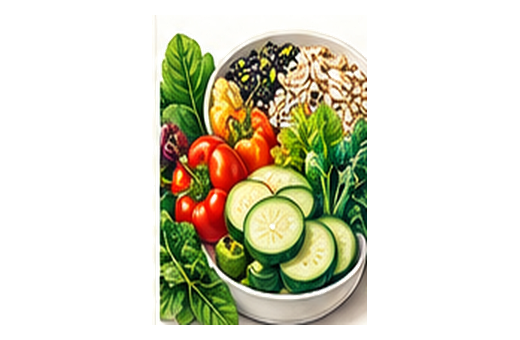
These foods can form the base of a balanced eating pattern; whole fruit is preferable to sugar-sweetened drinks.

Lower-fat dairy when tolerated
Milk and yogurt can fit a gout eating pattern and provide protein and calcium.
Plant proteins
Beans, lentils, nuts, and seeds can provide alternatives to frequent high-purine animal foods.
Moderate portions of animal protein
Limit organ meats and large amounts of red meat or certain seafood if they are frequent parts of the diet; individualized choices matter.
In the kitchen
What this can look like in a meal
These familiar meal ideas illustrate food patterns, not a prescribed diet or a required portion size. The right choices depend on the person and their circumstances.

Yogurt, Berries & Oats
A balanced breakfast or snack using tolerated dairy or fortified alternative.
Bean & Vegetable Grain Bowl
Plant protein with vegetables and whole grain.
Chicken, Rice & Roasted Vegetables
A moderate portion of poultry with grain and vegetables.
Egg & Vegetable Breakfast
Eggs with vegetables, whole-grain toast, and fruit.
Looking for more cooking ideas? Explore public recipes on The Fuel Board.
What the evidence shows
What research tells us
The American College of Rheumatology conditionally recommends limiting alcohol, purine-rich foods, and high-fructose corn syrup for people with gout, while emphasizing that dietary changes usually produce only modest changes in serum urate.
For people with overweight or obesity, weight loss may be recommended when appropriate. Extreme fasting or crash dieting is not a safe strategy and can sometimes worsen uric acid changes.
Individual needs matter
When more personal guidance helps
Frequent flares, kidney stones, tophi, chronic kidney disease, or persistently high uric acid often require medical treatment. Do not rely on diet alone when urate-lowering therapy is recommended.
Alcohol limits and protein choices may need to account for medicines, kidney function, diabetes, and other conditions.
Learn from the source