
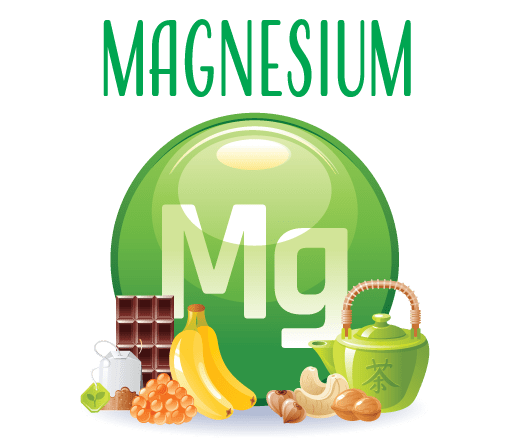
What Does Magnesium Do?
Magnesium is one of those nutrients your body depends on quietly—but deeply.
You don’t usually notice it when you have enough.
But when you don’t… your body starts talking.
Tight muscles.
Low energy.
Restless sleep.
Feeling wired but tired.
That’s not random.
Magnesium is involved in over 300 processes in the body, many of them tied directly to how you feel day to day.
What Is Magnesium?
Magnesium is a mineral your body needs to function—especially your muscles, nerves, heart, and brain.
It helps regulate:
- Muscle movement
- Nerve signaling
- Blood sugar balance
- Blood pressure
- Sleep cycles
- Stress response
Your body doesn’t store large amounts of it, which means you need a steady intake through food.
Why Magnesium Matters in Real Life
This isn’t about numbers on a chart. This is about how your body feels.

PREGANACY
It helps to regulate muscle and nerve function, including the muscles in the uterus. Pregnant women who do not consume enough magnesium are at risk of premature labor, which can lead to numerous complications such as preterm birth, low birth weight, or respiratory distress syndrome.

BONE
Magnesium helps maintain healthy bone density by stimulating bone formation and inhibiting breakdown. It works with calcium and vitamin D, and without it, the body won’t absorb calcium efficiently. Supplements have been shown to prevent bone loss and improve density in postmenopausal women and reduce fracture risk in those with osteoporosis.

BLOOD
This mineral helps regulate blood sugar by stimulating the production and function of insulin, which is responsible for transporting glucose into cells for energy production. It also helps improve insulin sensitivity, allowing cells to better absorb glucose from the bloodstream. Furthermore, magnesium deficiency can lead to insulin resistance, which in turn can lead to high blood sugar levels and type 2 diabetes.

HEART AND BLOOD PRESSURE
Studies show that magnesium can protect the arterial lining by reducing inflammation, improving blood flow, and preventing the accumulation of plaque in the arteries. Magnesium also helps regulate blood pressure and supports heart health.
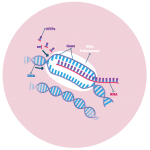
DNA
It helps to stabilize the structure of these molecules and is involved in the development of new strands. In addition, it is required for the activity of enzymes that are involved in the processing of DNA and RNA.
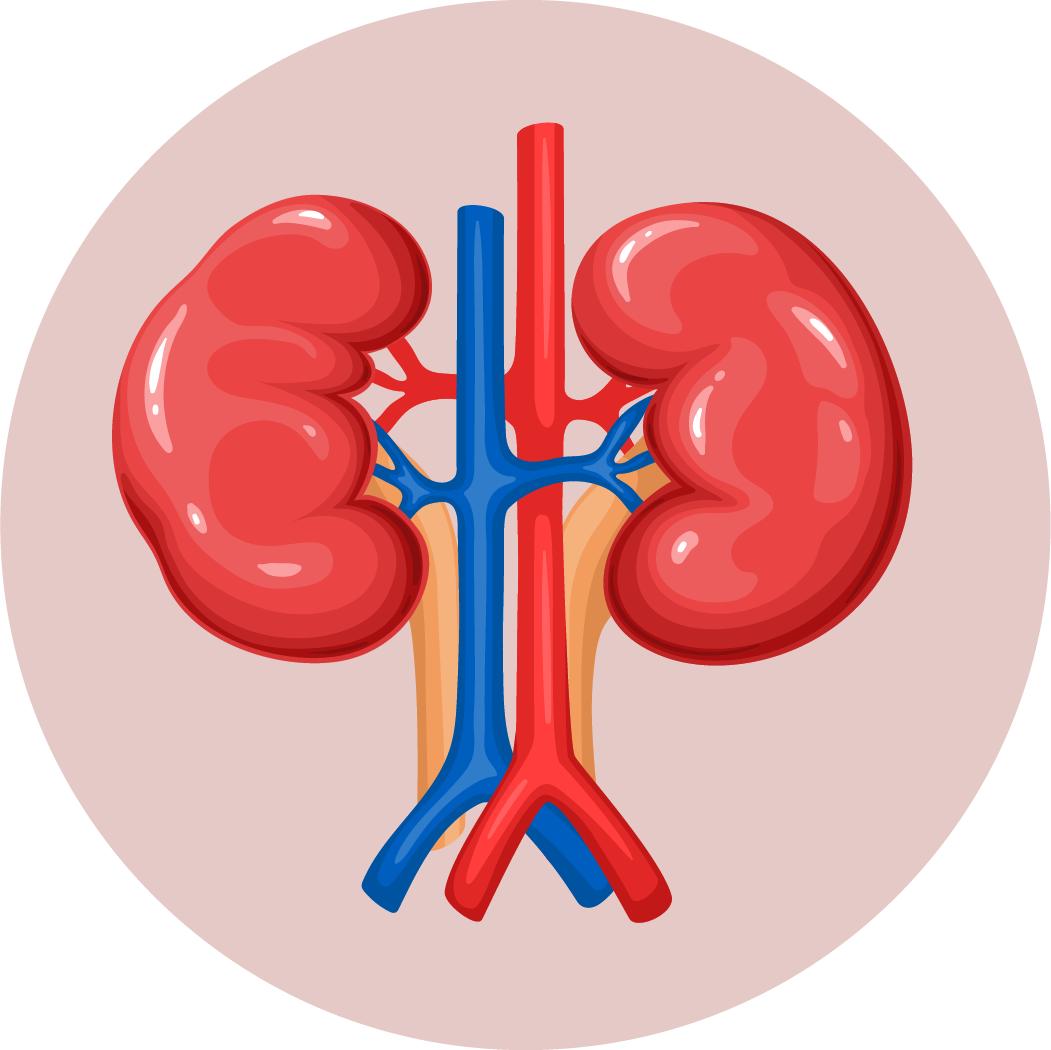
KIDNEY
Can help to prevent the buildup of calcium and other substances that contribute to kidney stone formation. Magnesium can also help to break up existing kidney stones and make them easier to pass.

MUSCLE AND NERVE
One of the primary functions of magnesium is maintaining normal muscle, brain, and nerve function. Magnesium works by regulating the activity of calcium ions, which are essential for signaling between nerve cells and muscle fibers.
Signs Your Body May Need More Magnesium
Your body doesn’t use medical terms—it uses signals. You might notice:

MUSCLE AND NERVE
When magnesium levels are low or deficient, it can interfere with the transmission of these impulses. This can result in a wide range of symptoms, including muscle weakness and cramps, tremors, and spasms.

SLEEP DISTURBANCE
Insomnia affects millions worldwide, causing poor sleep and daytime fatigue. Low magnesium levels can disrupt sleep-wake cycles. Studies show magnesium can improve sleep quality and duration, by relaxing muscles and calming the nervous system, making it easier to fall and stay asleep.

DIGESTIVE
One of the main ways magnesium can help with constipation is by relaxing the muscles in the intestines, making it easier for food and waste to move through the digestive system. Additionally, magnesium can increase the amount of water in the intestines, which can soften stool and make it easier to pass.

CONFUSION
Its deficiency can affect the neurotransmitters that transmit signals in the brain leading to confusion, cognitive decline, and changes in behavior.

MENATL HEALTH
A low level of magnesium in the body can lead to the overproduction of stress hormones, such as cortisol and adrenaline, causing irritability, anxiety, and depression.

HEART ISSUES
One of the noticeable symptoms of magnesium deficiency is a rapid heart rate or palpitations. This occurs when there is an imbalance in the electrolyte levels, which impacts the heart’s ability to function normally.
These don’t automatically mean deficiency—but they are worth paying attention to.
Where Most People Get It Wrong
Most people think of magnesium as a supplement.
But your body was designed to get nutrients from food first.
When magnesium comes from real foods, it comes with:
- Fiber
- Other minerals
- Natural balance your body recognizes
That’s where things start to shift.
Turn magnesium-rich foods into a weekly plan
Knowing magnesium matters is one thing.
Actually eating it consistently is what makes the difference.
With FeedMeFood, you can:
- Build a weekly plan using magnesium-rich foods
- Turn meals into a ready-to-use grocery list
- Use what you already have at home
- Keep things simple and repeatable
Magnesium Food Sources
If you want to see exactly what to eat and how to use it in real life: