
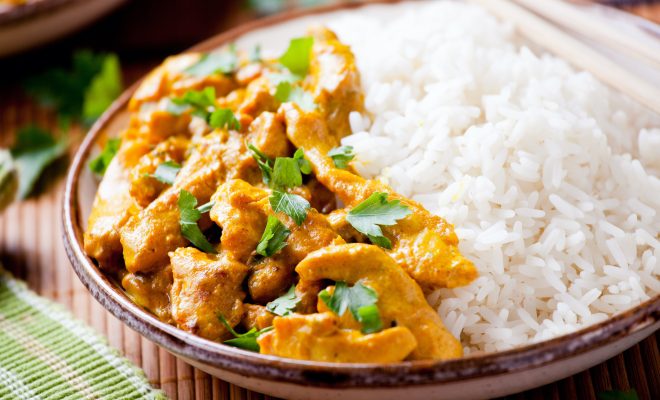
Thai Yellow Chicken Curry
 30 mins
 9 Ingredients
30 mins
9 Ingredients
Thai yellow chicken curry is a rich, aromatic coconut curry with tender chicken, potatoes, carrots and onion simmered in a warmly spiced yellow curry sauce.
It is milder than many Thai curries, with the familiar sweet-salty balance of coconut milk, curry paste, fish sauce and a small amount of sugar. Serve it over jasmine rice so the rice catches plenty of the sauce.
High Protein, Comfort Food, Meal Prep Friendly, Cook Once Eat Twice, Family Friendly
really hungry, wanting something warm, tired of plain chicken, craving a creamy savory meal, wanting tomorrow’s food already handled
Cook the curry paste. Heat the coconut cream over medium heat for 1 to 2 minutes. Add the yellow curry paste and cook, stirring constantly, for about 2 minutes, until highly fragrant and the mixture becomes glossy.
Cooking the paste in the richer part of the coconut milk is a classic technique for developing the flavor of coconut-based Thai curries.
| Serve With | Also Pairs Well With |
|---|---|
| Jasmine rice | Cucumber salad |
| Steamed green beans | Fresh mango |
| Sliced cucumber | Lime wedges |
| Stir-fried greens | Unsweetened iced tea |
Cool leftovers promptly and refrigerate the curry and rice in separate covered containers.
Use refrigerated chicken curry within 3 to 4 days. USDA gives cooked chicken and most cooked leftovers the same 3-to-4-day refrigerated window.
Reheat until steaming hot throughout. USDA recommends reheating leftovers to 165°F.
Freeze the curry without the rice for up to 2 to 3 months for best quality. The potatoes may become softer after freezing, but the flavor holds up well. Freeze rice separately if desired.
Yield not specified in the original recipe record
About 1½ cups curry with ½ cup cooked jasmine rice
Calories: 545, Total Fat: 22 g, Saturated Fat: 13 g, Trans Fat: 0 g, Cholesterol: 100 mg, Sodium: 830 mg, Total Carbohydrate: 50 g, Dietary Fiber: 4 g, Total Sugars: 7 g, Added Sugars: 2 g, Protein: 34 g, Vitamin D: 0.2 mcg, Calcium: 65 mg, Iron: 3.1 mg, Potassium: approximately 1,000 mg, Choline: approximately 105 mg, Vitamin B12: approximately 0.8 mcg, Vitamin B6: approximately 0.8 mg, Selenium: approximately 30 mcg, Zinc: approximately 2.5 mg
💚 Feed Me Food® Note: Curry paste is exactly the kind of shortcut worth keeping around. Someone already did the lemongrass-chile-spice work for you. Add coconut milk, chicken and vegetables and you have a pot that tastes like you made an actual meal—not like you settled for whatever was easiest.
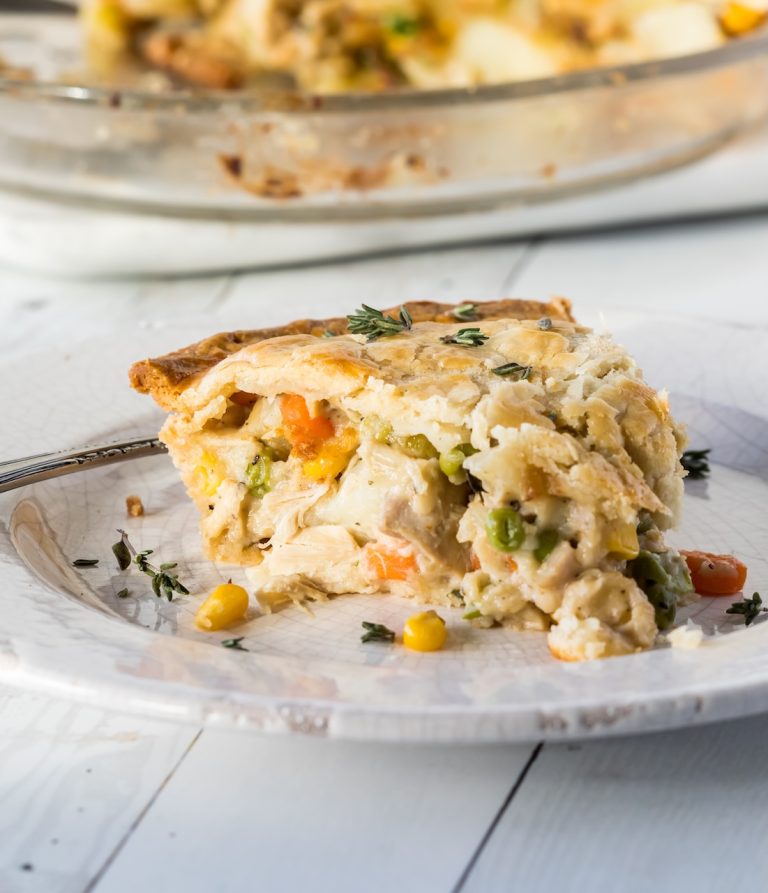
Frozen Deep Dish Pie Shells · Left Over Turkey · Shredded raw carrots
35 mins
6 Ingredients
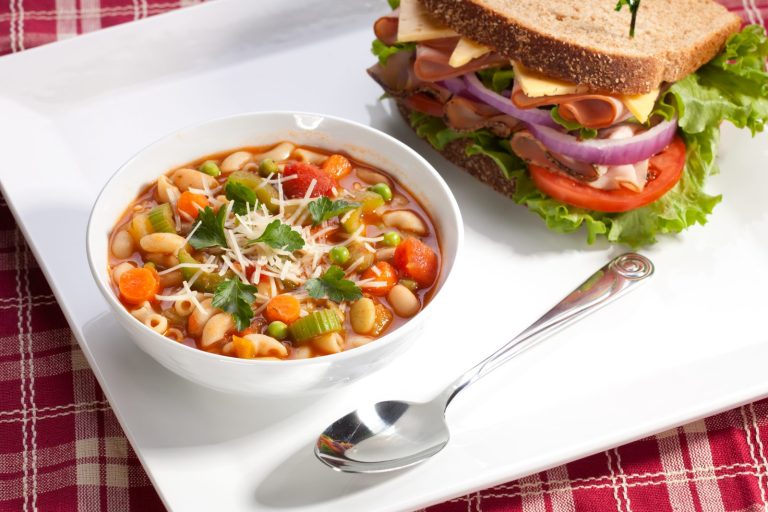
Whole-grain bread · Deli turkey · Lettuce
15 mins
6 Ingredients