Food as information. Nutrition as self-care.
Explore the vitamins, minerals, and supportive compounds your body uses every day. Tap any nutrient. Start anywhere, you don't need to learn everything at once.
Educational only. Not intended to diagnose, treat, or replace medical advice. Always consult your licensed healthcare provider before significant dietary changes.
 Back
Back Source Code Food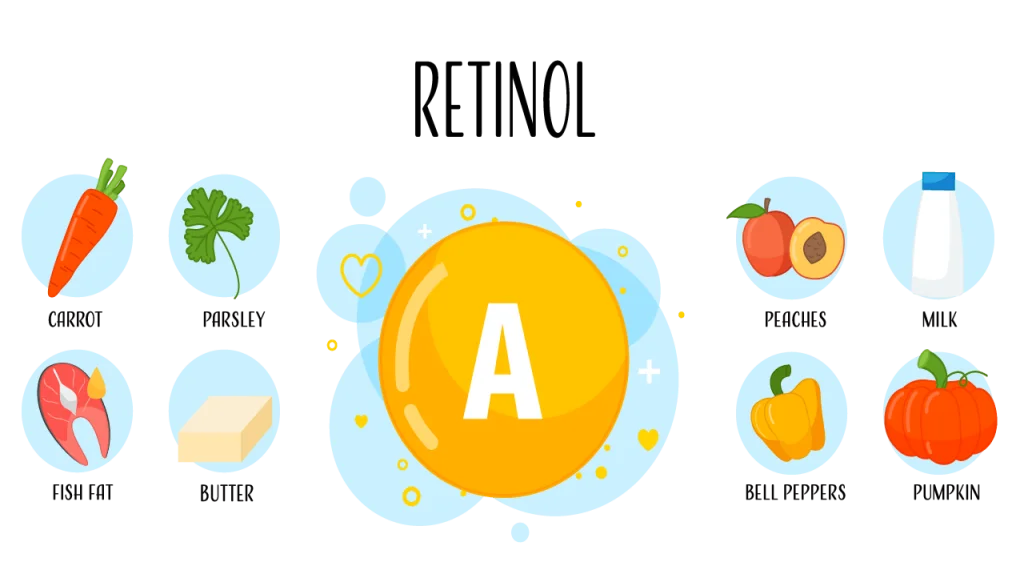
Retinol
VitaminVitamin A is one of the most important nutrients that our bodies require for optimal functioning. It plays a crucial role in various bodily functions, including maintaining good vision, regulating cell growth and division, supporting reproduction, and enhancing immunity.
Including vitamin A-rich foods in your diet is essential to ensure that your body receives the vital nutrients it needs to thrive. However, in some cases, it may be necessary to supplement your diet with Vitamin A supplements while working with a professional to ensure that you take the appropriate dose and form of the nutrient.

Vitamin A is beneficial for maintaining healthy eyesight. One of its most important functions is as a component of rhodopsin, a protein in your eyes that allows you to see in low-light conditions. In addition to helping with vision in low light, vitamin A also helps to maintain a clear cornea, the outer layer of your eye.

Vitamin A is beneficial for maintaining healthy eyesight. One of its most important functions is as a component of rhodopsin, a protein in your eyes that allows you to see in low-light conditions. In addition to helping with vision in low light, vitamin A also helps to maintain a clear cornea, the outer layer of your eye.

Retinol also stimulates the production and activity of white blood cells, essential for a strong immune system. White blood cells help protect the body against harmful viruses and bacteria, and retinol can help boost their effectiveness.

Vitamin A possesses anti-inflammatory properties, making it particularly useful for individuals with skin conditions like acne, eczema, and psoriasis.
Vitamin A's anti-inflammatory properties make it useful for individuals with skin conditions like acne, eczema, and psoriasis.

Retinol plays a vital role in maintaining healthy skin, and its deficiency can cause several skin conditions, including acne, dry skin, itchy skin, inflamed skin, and even eczema. To ensure healthy skin, consuming a balanced diet that includes foods rich in retinol is essential.

When you have a retinol deficiency, your eyes may not be able to produce enough rhodopsin. This can lead to vision problems and even blindness. This is why ensuring you're getting enough vitamin A in your diet is vital.

A lack of vitamin A can have serious consequences, leading to ear abscesses, sinusitis, and pneumonia. Retinol deficiency can also leave you vulnerable to the common cold and respiratory infections. Vitamin A is also essential for maintaining healthy skin, improving vision, and regulating gene expression.

The English biochemist, Sir Frederick Gowland Hopkins, coined the term "Vitamin A" in 1913 after discovering that rats fed a deficient diet developed eye problems.
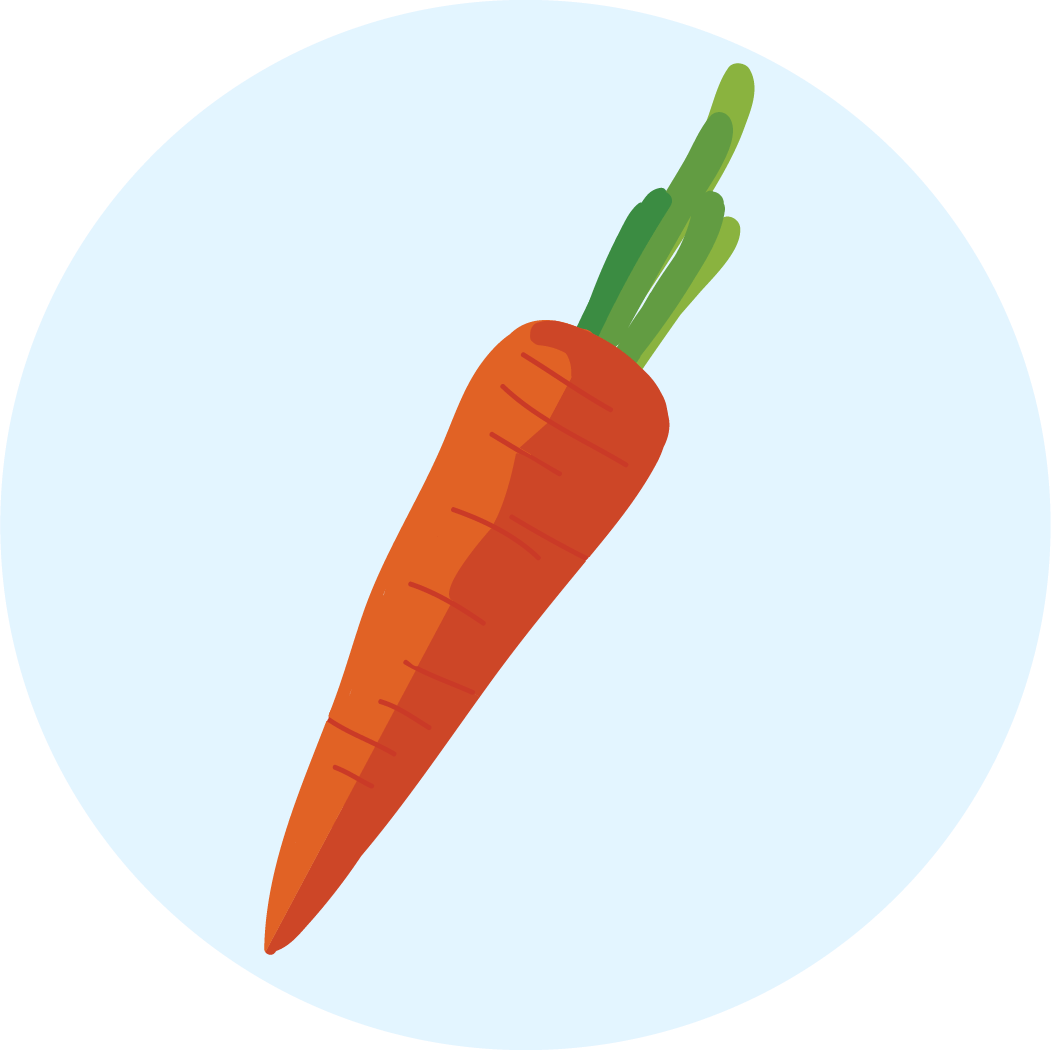
Beta-carotene is a naturally occurring plant pigment that has the ability to convert into Vitamin A in our body.

Many skincare products contain a powerful antioxidant that can improve skin texture, reduce lines and age spots, and promote the growth of new tissues. Retinol can also soothe inflamed or irritated skin and even help combat skin conditions such as acne.
For adults, the recommended intake of retinol is 900 micrograms per day for men and 700 micrograms per day for women.
Meat & Protein

Grass-fed red meat

6259.7mcg per slice
6610.5mcg per 3oz
33 micrograms of Vitamin A.
100-500 mcg of vitamin A per 3.5 ounces.

Grass fed dairy
Rich source of Vitamin A from animal products.
Grass fed dairy
Rich source of Vitamin A from animal products.
Grass fed dairy
Rich source of Vitamin A from animal products.
Fruits, Vegetable & Leafy Greens
Grass-fed red meat
Plant-based source of beta-carotene that converts to Vitamin A.
Grass fed dairy
Rich in beta-carotene.
Grains, Herbs, Oils & Roots
Grass fed dairy
Contains Vitamin A precursors.
Grass fed dairy
 Recipes
Contains Vitamin A precursors.
Create a free account to unlock recipes for each source, and start turning this into meals.
Try FeedMeFood for free