Back
Back Source Code Food
Vitamin B4
VitaminCholine is a vital nutrient that performs various essential functions in our body. It is a water-soluble vitamin-like compound crucial to maintaining our overall health. Choline is necessary to produce several important compounds, such as phosphatidylcholine and sphingomyelin, which are the primary components of cell membranes.
Phosphatidylcholine is essential for synthesizing lipoproteins, which help transport cholesterol and other lipids in our bloodstream. It also plays a crucial role in fat metabolism in our liver and regulating cell signaling pathways. Similarly, sphingomyelin is another vital component of cell membranes that helps maintain our cells’ structure and function.

Choline is crucial for hormone production and regulation. It helps produce acetylcholine, which is needed to release hormones from the hypothalamus and pituitary gland, and phosphatidylcholine, vital for hormone receptor signaling.

Studies have shown that choline can help to protect the liver from damage caused by toxins and oxidative stress. It has also been shown to reduce the risk of fatty liver disease, in which excess fat accumulates in the liver.
Choline is an essential nutrient for synthesizing acetylcholine, a neurotransmitter involved in various bodily functions, including muscle movement, memory, and mood regulation.

Choline serves as a methyl donor, which is vital for the methylation process, a critical step in the metabolism of several compounds in the body.

Choline strengthens the protective mucosal layer of the stomach and reduces acid production to protect the lining.

Research has revealed that choline can potentially enhance cognitive function, especially memory and information-processing tasks. Furthermore, it has been discovered that choline can act as a protective agent for the brain as we age, potentially reducing the likelihood of cognitive decline and dementia.

Recent studies suggest that the deficiency is linked to an increased risk of high blood pressure. Researchers have found that choline plays a vital role in regulating homocysteine levels. This amino acid can cause inflammation and arterial damage, leading to hypertension.

Mental health conditions such as anxiety, bipolar disorder, and depression have been linked to low levels of choline.
Consuming adequate choline is necessary since the body cannot produce enough of it by itself.
Unfortunately, some studies have suggested that having too little choline in your diet can lead to liver damage. Conversely, too much can also cause damage to the liver. This can be particularly problematic for people with pre-existing liver issues as well as those who are consuming large amounts of supplements that contain choline.

One study found that children with a choline deficiency were significantly shorter than those with adequate choline levels. Additionally, animal studies have shown that deficiency during pregnancy can impact the growth and development of offspring.
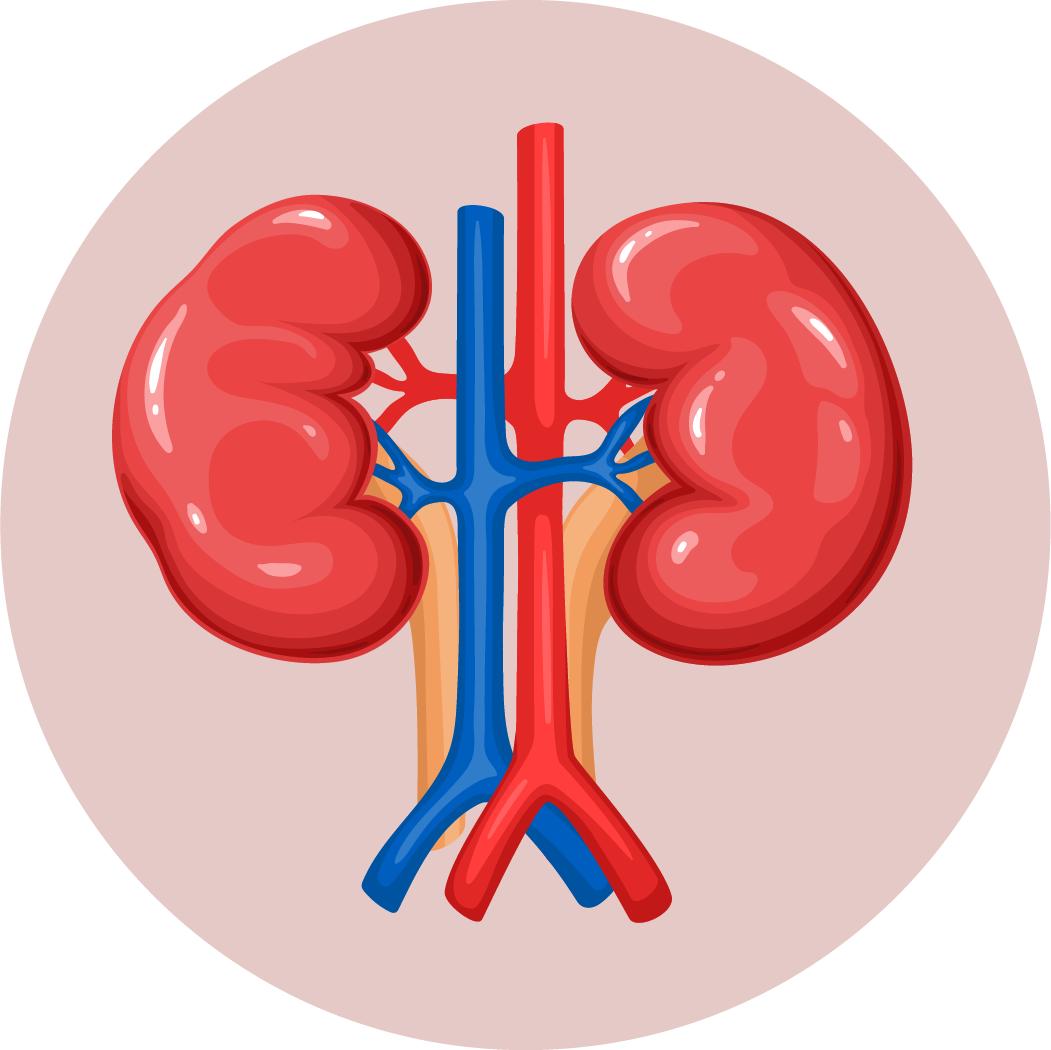
High choline intake may increase the risk of kidney disease and liver damage. Insufficient vitamin B5 intake can also lead to liver damage.
It has been found in some studies that insufficient intake of vitamin B5 can result in liver damage. However, excessive consumption of choline can also cause liver damage, which can be harmful to individuals with pre-existing liver problems.

Studies show that only 10-20% of adults meet their daily choline requirements through their diet.

Excessive intake of choline can cause fishy body odor, nausea, and vomiting.

Parkinson’s disease is a neurodegenerative disorder characterized by the loss of dopamine-producing cells in the brain. Studies have suggested that choline may have a protective effect on these cells, leading to improved motor function in individuals with Parkinson’s.
Tardive dyskinesia is a side effect of certain medications that causes involuntary movements of the face, tongue, and limbs. Choline has been shown to reduce the severity of these movements and improve the quality of life for those affected.
The recommended daily magnesium intake for adult males is 550mg, and for adult females is 425mg.
Meat & Protein

Grass-Fed Red Meat

338.7mg per slice
174.1mg per steak
146.2mg per 6oz
132.3mg per 6oz
108.6mg per 3oz
108mg per 3oz

FREE RANGE WHITE MEAT
198.9mg per 6oz
180.6mg per leg skin on
92.6mg per thigh with skin on
167.7mg per 6oz chop
150.1mg per 6oz
123.8mg per cup

FISH AND SEAFOOD
220.3mg per 12oz
191.4mg per 6oz fillet
153.9mg per 6oz
150.7mg per fillet
131.9mg per 6oz
129.2mg per 6oz fillet
119.4 per fillet
119.1mg per fillet
115.1mg per 3oz
109.2mg per cup
102.9mg per cup
101.5mg per fillet

Grass-Fed Dairy
80mg Per 16oz Glass

FREE RANGE EGG
151mg per Large Egg
146.9 per Large Egg
145.9mg Large Egg
134.8mg per Large Egg
117
1 per large Egg

NUTS & SEEDS
22.4mg per 1oz
20.3mg per 1oz
19.2mg per 1 Cup

Beans and Legumes
89.3mg per 1 cup
87.3mg per 1 cup
81.4mg per 1 cup
Fruits, Vegetable & Leafy Greens

Roots
34.1mg per 1 cup slices

CRUCIFEROUS
62.6mg per 1 cup chopped
63.3MG per 1 cup
52.9mg per 1 Cup
Grains, Herbs, Oils & Roots

WHOLE GRAINS
 Recipes
42.6mg per 1 cup
33.78mg per 1 cup
Create a free account to unlock recipes for each source, and start turning this into meals.
Try FeedMeFood for free