Essential Mineral
MineralIron is an important mineral for good health. It helps to keep our blood healthy and is needed for making energy, for our immune system, and for some important enzymes. There are two types of iron: ferrous and ferric.
Iron that we get from food is usually in the ferric form. But our body absorbs ferrous iron better. Ferric iron needs to be made soluble to be absorbed, and this happens in the stomach. Food can affect iron absorption too. Some foods help iron to be absorbed better, while others can stop this.
It’s a good idea to eat a balanced diet that includes iron-rich foods like meat, lentils, beans, nuts, and leafy green vegetables. Vitamin C can also help our body absorb iron better. By making sure we have enough iron in our body, we can stay healthy and avoid problems like tiredness and weakness.
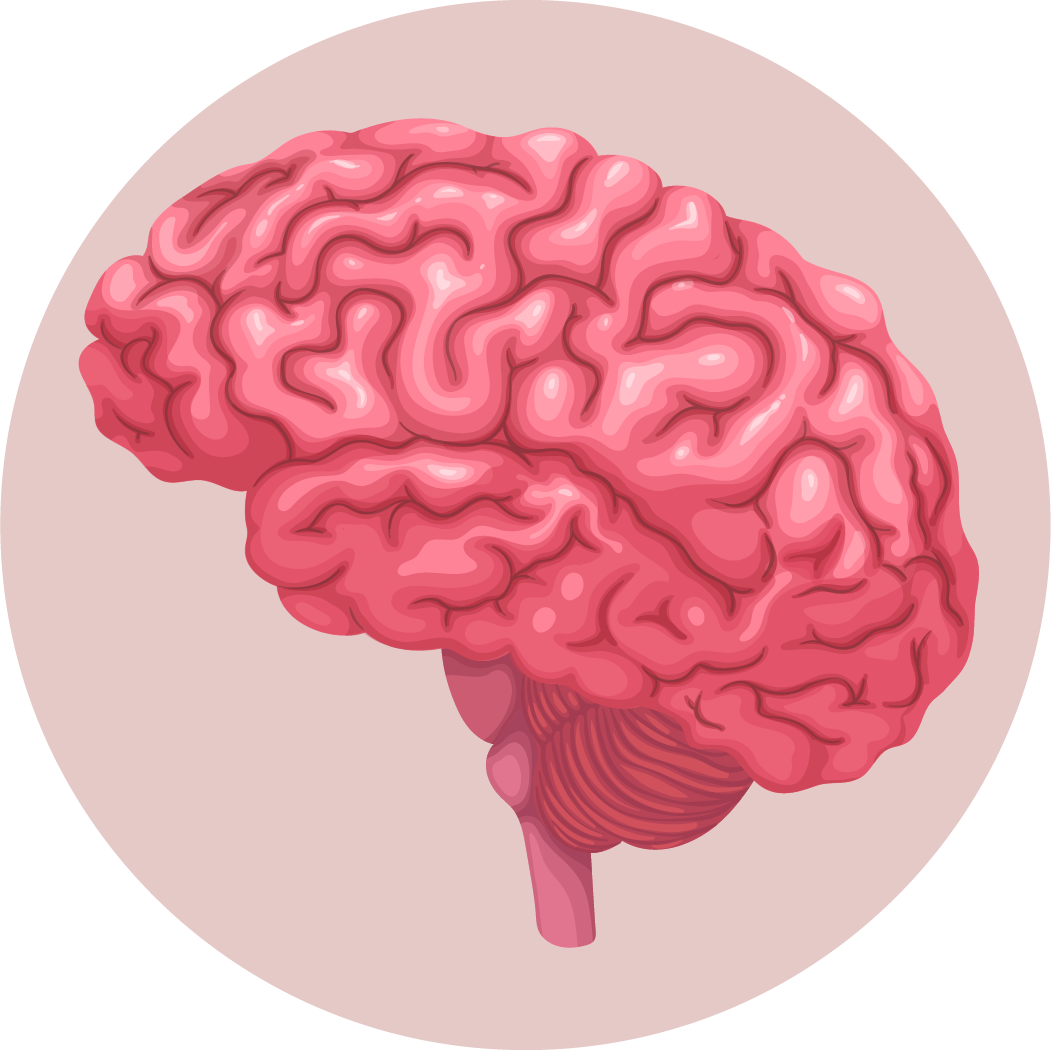
It is essential for brain function as it produces neurotransmitters and develops myelin. It also regulates body temperature and maintains the immune system to protect against infections that affect brain function.

Improves overall energy levels: Iron is needed for the production of energy in the body, and without enough iron, you may feel fatigued and have low energy levels.
Iron is necessary for producing enough red blood cells to carry oxygen to the body’s tissues.

Necessary for pregnancy: Iron is important during pregnancy to support the growth and development of the fetus and maintain the health of the mother
Iron helps in the production of cytokines, which are proteins that help regulate our immune responses and protect against pathogens.

When we don’t have enough iron in our bodies, it can lead to a condition known as anemia, which can make it difficult to swallow properly. This can happen because the muscles in the throat and esophagus become weak and don’t function properly, making it harder to move food and liquids down into the stomach.

A deficiency can cause your hair follicles to become weak and brittle. That means that even simple combing and brushing can pull hair strands out of your scalp. This can lead to hair loss and an overall thinning of the hair. A deficiency can lead to a decrease in the growth rate of your hair. Your hair will take longer to recover from damage.

Iron is essential for metabolism, the process by which your body turns food into energy. Without enough iron, your metabolism slows down, and your body is unable to burn calories efficiently. This can result in weight gain, especially around the belly area.

One of the most important functions of iron is its role in the production of red blood cells. Without enough iron, our body may not produce enough red blood cells, leading to a condition called anemia.

The reason iron is important for preventing dizziness is that it plays a crucial role in our body’s ability to transport oxygen to the brain. When our body does not have enough iron, there is reduced oxygen supply to the brain, which can lead to dizziness.

Iron deficiency affects the production of immune cells directly, making it challenging for the body to respond effectively to infections. The body also requires iron to produce antibodies that fight off infections and diseases. Without adequate iron stores, our immune system cannot produce enough antibodies to protect us from infections. As a result, we become more susceptible to various infections, including respiratory infections, skin infections, and other chronic diseases.
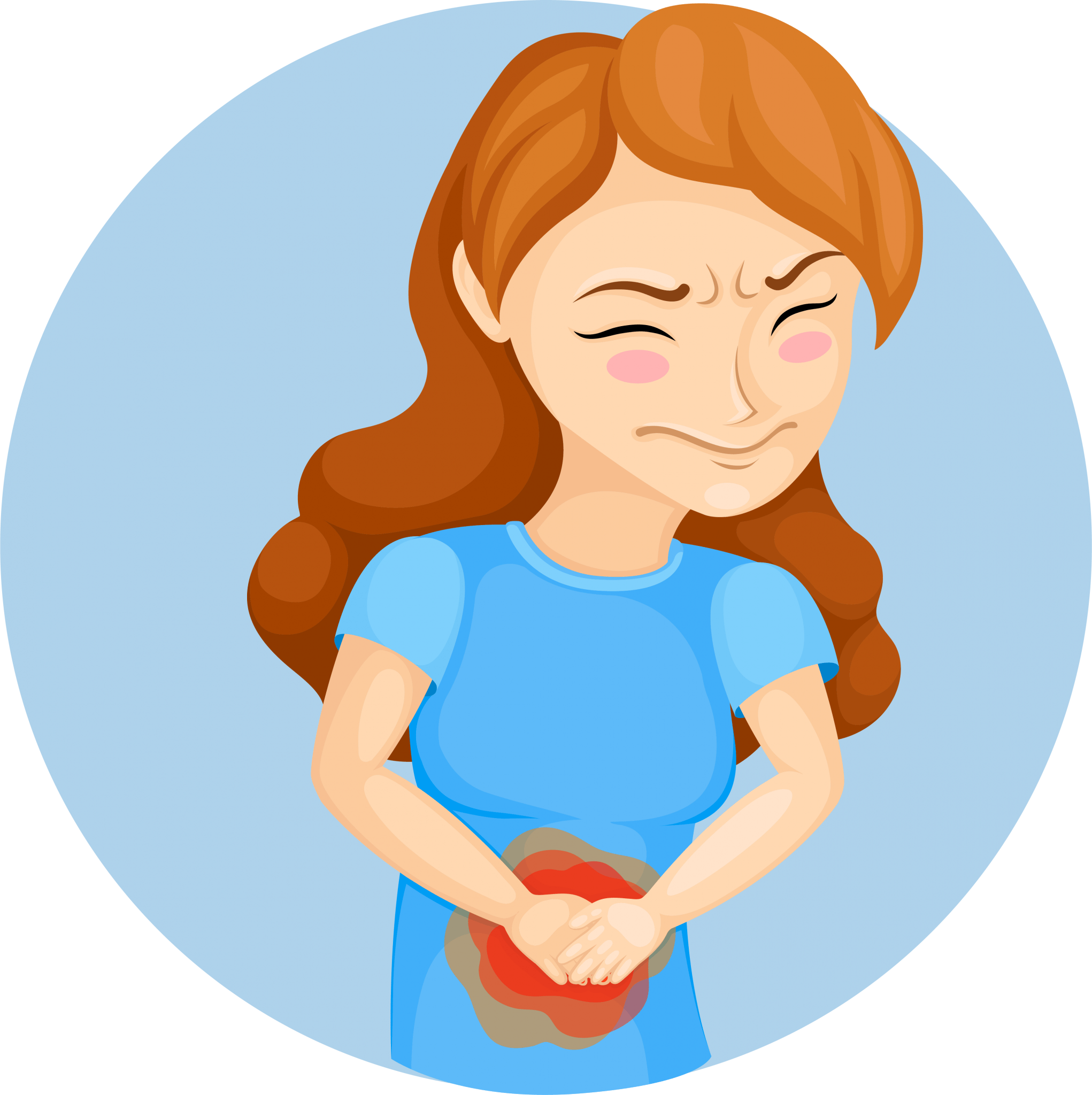
Iron deficiency can reduce stomach acid production, hinder digestion, cause discomfort, and may lead to constipation due to low hemoglobin levels.
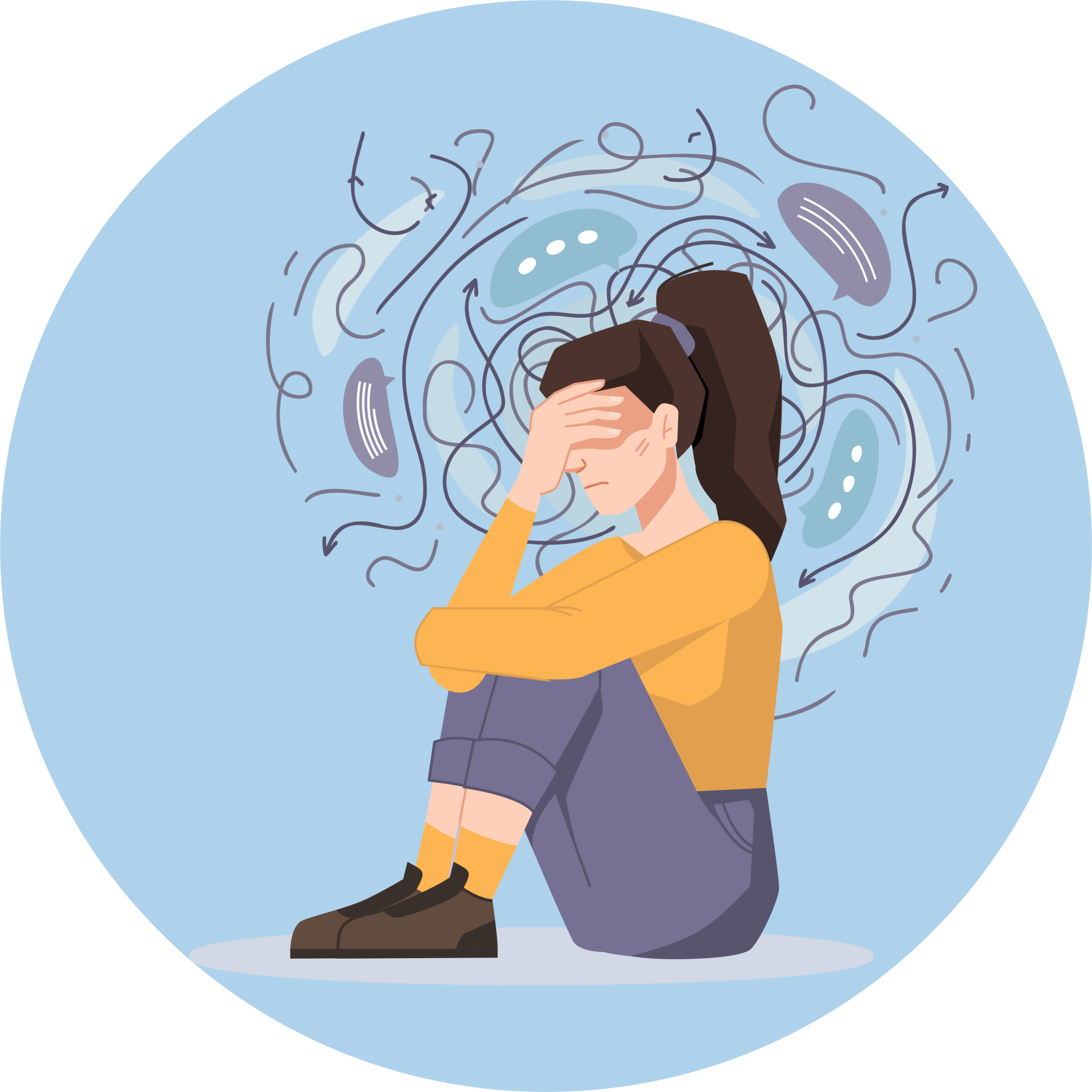
Iron is essential for the production of neurotransmitters in the brain, including dopamine and serotonin, which play a crucial role in regulating mood and anxiety levels. When the body lacks sufficient iron, it can lead to decreased neurotransmitter levels, which can lead to anxiety and depression.
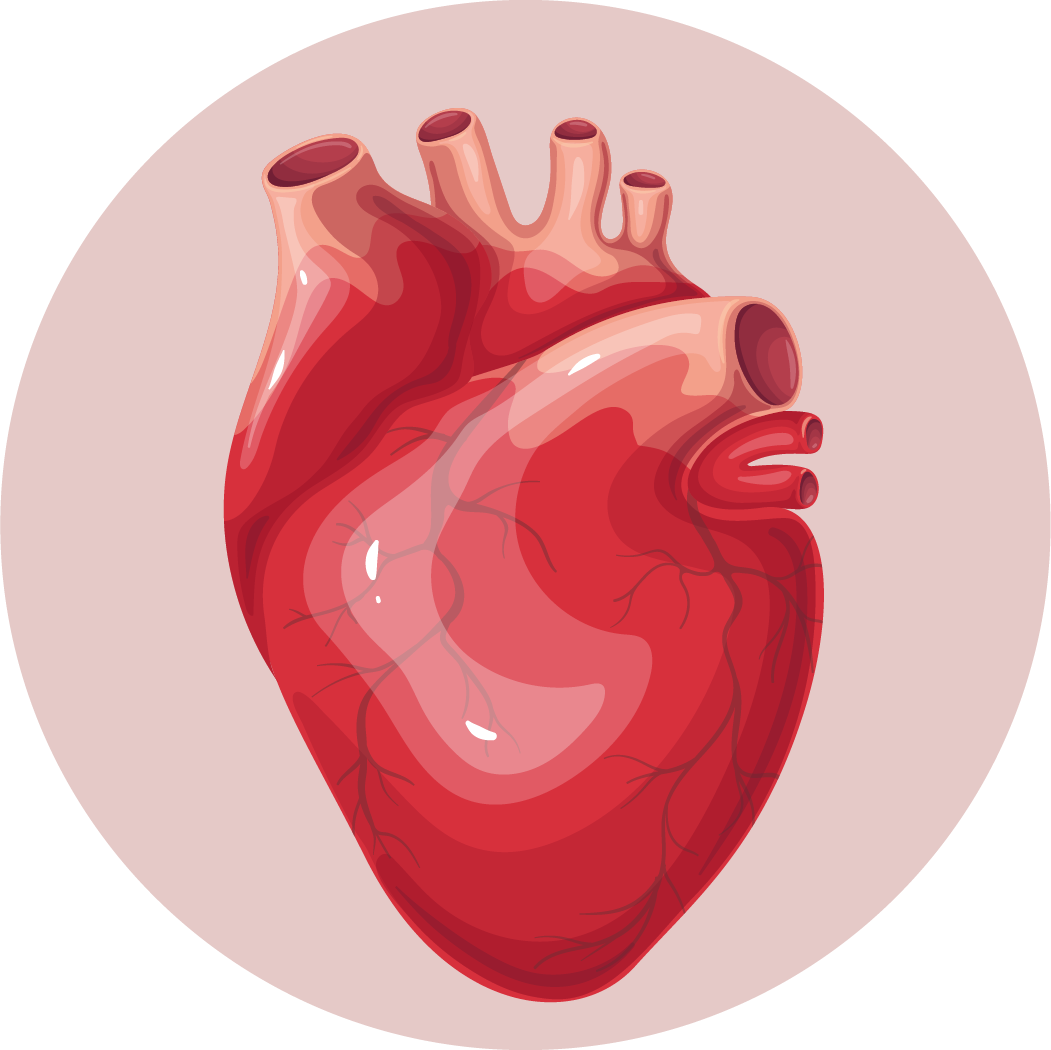
Studies have found that high levels of iron in the body have been linked to heart disease and cancer. When there is too much iron in the blood, it can cause oxidative stress which can lead to cellular damage. This can increase the risk of heart disease and cancer. Iron has also been found to promote the growth of cancer cells.
A recent study found that high levels of iron in the blood contribute to the development of heart disease. Iron can cause oxidative stress in the body by increasing the production of free radicals, which can damage cells and contribute to inflammation, a key factor in the development of heart disease.
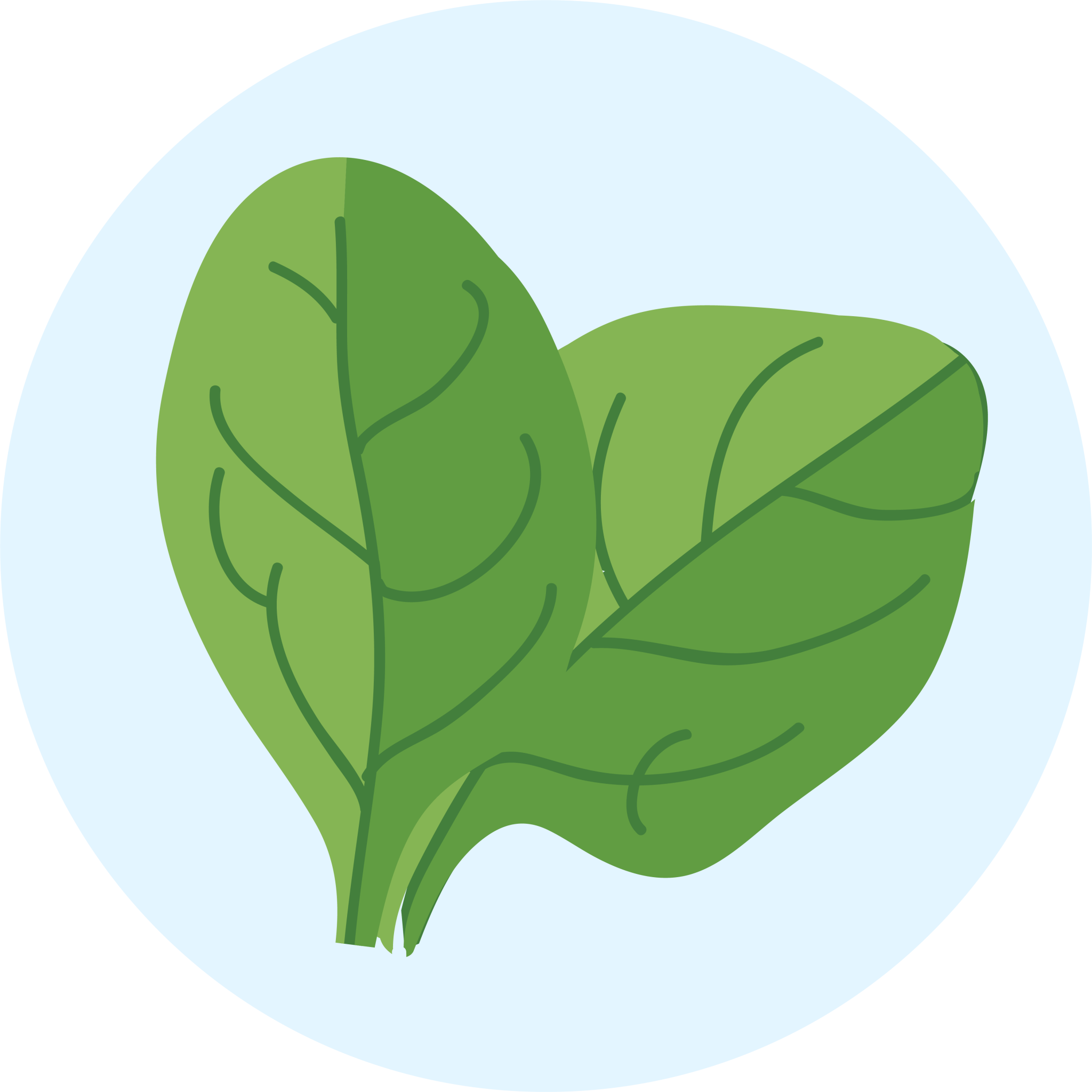
It is important to note that iron from plants is non-heme iron. Which needs to be combined with other molecules in the stomach before it can be absorbed in the small intestine.
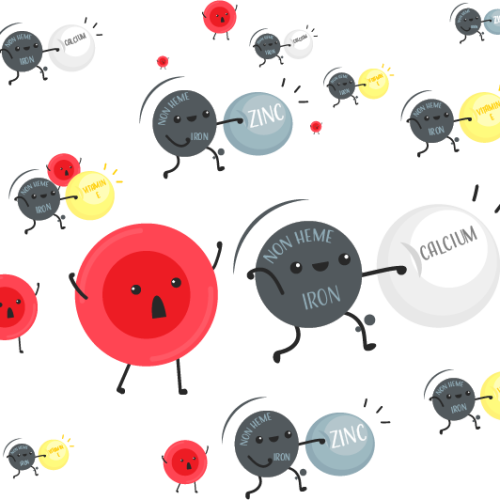
The type of food you eat can impact how well your body absorbs non heme iron. Excessive intake of non-heme iron can interfere with the absorption of other minerals like zinc ,calcium and vitamin e.
Heme (Ferrous) iron found in meat, fish, seafood or poultry is easier to absorb. Food components in your intestines also play a role in helping the absorption of iron.
ADULT MEN AND POSTMENOPAUSAL WOMEN NEED 8MG PER DAY. FOR WOMEN OF CHILDBEARING AGE, THEY NEED 18MG DAILY DUE TO MENSTRUAL AND PREGNANCY IRON LOSS. PREGNANT WOMEN REQUIRE 27MG TO SUPPORT FETAL GROWTH.
Meat & Protein
Grass-Fed Red Meat

Contains 100% DV per 3-ounce serving.
15% DV per 3-ounce serving.
15% DV per 3-ounce serving.
Contains 12% DV per 3-ounce serving.
11% DV per 3-ounce serving.
Contains 10% DV per 3-ounce serving.
contains 11% DV per 3-ounce serving.
7% of DV per 3-ounce serving.
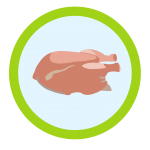
FREE RANGE WHITE MEAT
Turkey breast is a lean source of protein and iron, with 3.8mg per 3.5 oz serving.
Chicken breast is another lean source of protein and iron, with 1.1mg per 3.5 oz serving.
Aside from being low in fat, quail meat contains 1.3mg per 3.5 oz serving.
Pheasant meat is rich in iron, with 1.2mg per 3.5 oz serving.
Goose meat is an excellent source of iron, providing 3.2mg of iron per 13.5 oz serving.
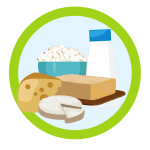
Grass-Fed Dairy
A cup contains 0.1 mg or 1% of the daily value.
1 cup contains 0.3 mg of iron, or 2% of the daily value.
1 tablespoon contains 0.4 mg, or 2% of the daily value.
One ounce of grass fed cheese contains 0.1 mg of iron, or 1% of the daily value.
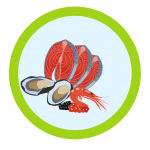
Seafood
These bivalve mollusks are the richest source of iron among all seafood. Just 3 ounces of clams contain around 23% of the daily value
A 3 ounce (85 grams) serving of raw Pacific oysters contains approximately 42% of the daily value.
Octopus is a lean protein, providing around 29% of the daily value of iron per 3.5 ounces.
A 3.5 oz serving of squid contains 9% of the daily value
A 3.5 oz serving of sardines would provide approximately 14% of the DV.
Fruits, Vegetable & Leafy Greens
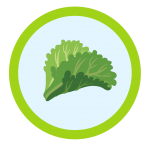
LEAFY GREENS
One cup of cooked beet greens provides approximately 15% of the daily value (DV)
One cup of raw chopped kale contains approximately 6% of the daily value.
A 1-cup serving of spinach contains approximately 6% of the daily value.
One serving of collard greens provides around 10% of the daily value.
A one cup serving of dandelion greens provides approximately 9% of the Daily Value.
A 1-cup serving of cooked mustard greens provides approximately 20% of the Daily Value of iron
A serving of Swiss chard, which is typically around one cup provides about 4% of the daily value.
One cup (about 55 grams) of turnip greens provides about 15% of the daily value.
3.5 ounces, of watercress contains about 21% of the daily value of iron.
ORGANIC FRUIT
One cup of figs contains about 2.4mg, which is 13% of your daily iron needs.
A cup of avocados provides about 3% of the daily value.
Just one cup of mulberries contains about 1.8mg, which is 10% of your daily iron needs.
One cup of prunes contains about 3.3mg of iron, which is 18% of your daily iron needs.
one cup of dates provides about 10% of the daily value.
A cup of raisins contains about 2.6mg of iron, which is 14% of your daily iron needs.
Grains, Herbs, Oils & Roots
Roots
Contains 14% of the daily value per cup (boiled).
Provides 8% of the daily value per medium potato (baked with skin).
Contains 7% of the daily value per medium potato (baked with skin).
Contains 6% of the daily value of iron per cup (cooked).
Provides 2% of the daily value per cup (boiled and mashed).
Has about 2% of the daily value of iron per cup (boiled and mashed).
Contains 2% of the daily value per cup (sliced).

Beans and Legumes
Just 6 ounces of lentils contain around 37% of the daily value
A cup serving contains approximately 26% of the daily value.
6 oz serving provides around 24% of the daily value.
One cup serving contains 20% of the daily value.
A cup serving of lima beans provide approximately 20% of the DV.
6 oz serving of provide approximately 19% of the DV.
Just a cup serving of provide approximately 19% of the DV.
One cup provides approximately 49% of the DV.
WHOLE GRAINS
One cup of cooked Millet (174 grams) contains around 3.9 milligrams, which is approximately 22% of the daily value
A single serving of brewer’s yeast typically contains approximately 15% to 20% of the daily value.
Most cream of wheat products provide at least 10-15% of the recommended daily value of iron per serving
Generally, one cup (cooked) of white rice has approximately 4% of daily value, while one cup (cooked) of brown rice has approximately 5% of daily value
On average, one cup of wheat bran contains approximately 18% of the daily value.
NUTS AND SEEDS
A serving of raw cashews (28 grams or 1 ounce) contains roughly 10% of the daily value.
A 1-ounce (28-gram) serving of almonds provides around 6% of the daily value.
A 28-gram serving of pecans provides about 4% of the daily value (DV)
One ounce of sesame seeds provides approximately 23% of the daily value

ORGANIC SQUASH
 Recipes
A one-cup serving of cooked summer squash contains approximately 2% of the daily value.
A 1-cup serving of canned pumpkin contains approximately 3.4% of the daily value.
One cup of cooked yellow squash contains about 8% of the daily value.
Butternut squash provides about 10% DV per serving
A one cup serving of cooked acorn squash provides approximately 9% of the daily value.
A one-cup serving of cooked spaghetti squash provides approximately 2% of the daily value.
A 28-gram serving of pecans provides about 4% of the daily value
Create a free account to unlock recipes for each source, and start turning this into meals.
Try FeedMeFood for free


 Back
Back Source Code Food