Back
Back Source Code Food
Thiamine
VitaminVitamin B1, also known as thiamine, is a crucial nutrient that our body needs. It plays a vital role in converting the food we eat into energy, which is essential for carrying out our daily tasks and exercising. Additionally, thiamine is important for our nervous system as it helps our cells to communicate with each other. Without enough of this nutrient, we may experience difficulties with our nerves and muscles. Vitamin B1 also acts as an antioxidant, which means it helps our body fight off free radicals and prevent damage to our cells. Finally, it supports our immune system by producing white blood cells. Thiamine is present in various foods, such as pork, nuts, beans, and whole grains.
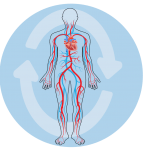
Vitamin B1 helps in the production of blood cells and the conversion of carbohydrates into energy.

Thiamine (Vitamin B1) is essential for brain health, memory, muscles, and nerve function.

Vitamin B1 is necessary for the production of energy from carbohydrates. Thiamine is used by the body to create ATP, its energy fuel.

Thiamine aids in the production of stomach acid required for protein digestion and the breakdown of fat and carbohydrates by producing enzymes.

Muscle tone refers to the tightness or relaxation of muscles even when not in use, which helps maintain balance and stability. Vitamin B1 is a crucial component for nerve impulses, facilitating appropriate muscle contraction and relaxation.

A lack of vitamin B1 can lead to memory problems and changes in mood, such as feeling grumpy or upset, due to its impact on brain function.

Vitamin B1 deficiency can cause digestive problems, including decreased appetite, constipation, and Beriberi disease.
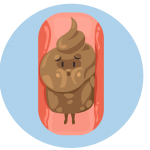
Without sufficient thiamine, we may experience digestive issues such as bloating and indigestion, and our bodies may not be able to properly absorb nutrients.
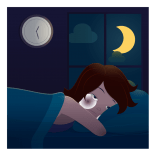
Regulating sleep requires thiamine, but too much can cause insomnia by decreasing serotonin and GABA and increasing brain activity, making it hard to relax. High B1 intake from supplements or fortified foods can worsen the issue.
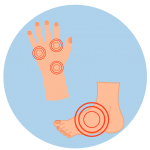
When your body doesn’t receive enough thiamine, it can lead to nerve problems, resulting in a tingling or numb sensation in your hands and feet. If this vitamin B1 deficiency persists for a significant duration, it can cause severe harm to your nerves and may even impede your body movements.
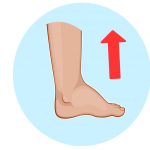
Edema occurs due to an imbalance in the body’s fluids caused by a lack of thiamine. B1 regulates fluids and electrolytes, and it transports ions across cell membranes. Thiamine deficiency can lead to edema.

When someone doesn’t consume enough thiamine, they might experience tiredness and weakness. This can occur due to excessive alcohol consumption, an inadequate intake of healthy foods, or a health condition. Even if they have sufficient sleep and regular exercise, the lack of thiamine can cause exhaustion
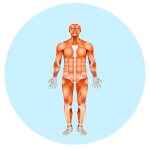
Thiamine deficiency can cause beriberi, muscle weakness, and wasting. It also leads to muscle damage, painful or paralyzed muscles, and digestive problems.

Heavy alcohol consumption can lead to a high risk of thiamine deficiency among alcoholics due to impaired absorption of thiamine.

To preserve thiamine in food, avoid overcooking, keep the skin on fruits and vegetables, steam instead of boiling or frying, and store raw produce in the refrigerator.
The suggested daily amount of thiamine for adult males is 1.2 mg, while adult females need slightly less at 1.1 mg. However, pregnant and breastfeeding women require higher daily amounts of thiamine at 1.4 mg and 1.5 mg, respectively.
Meat & Protein
White Meat

1.6mg per 6oz serving
1.2mg per 6oz serving
1.1mg per 6oz chop
1.1mg per 1 cup serving
1.1mg per rack
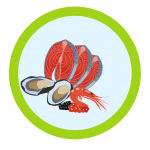
FISH & SEAFOOD
.6mg per 6oz serving
.5mg per 6oz serving
.4mg per 12oz serving
.3mg per fillet
.3mg per 3oz serving
Fruits, Vegetable & Leafy Greens
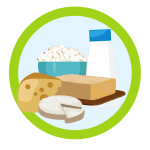
Grass-Fed Dairy
Drinking one 8 oz glass of whole milk is an excellent source of Thiamine with 10% DV (Daily Value) per cup
One ounce of Swiss cheese contains 9% of the daily value (DV)
Greek yogurt offers a daily value of 13% per 3 oz
One ounce of cheddar cheese provides about 8-9% of your daily value
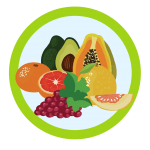
ORGANIC FRUIT
.9mg per 1 cup diced serving
.3mg per 1 cup diced serving
.3mg per 1 cup serving

Squash
.1mg per 1 cup serving
.3mg per 1 cup serving
.1mg per 1 cup serving
.1mg per 1 cup serving
Grains, Herbs, Oils & Roots
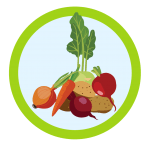
Roots
.2mg per 1 cup serving
.1mg per 10 slices serving
WHOLE GRAINS
.4mg per 1 cup serving
.4mg per 1 cup serving
.5mg per 1 cup serving
.3mg per 1 cup serving
NUTS & SEEDS
 Recipes
.5mg per 1oz serving
.4mg per 1oz serving
.4mg per 1oz cup serving
.4mg per 1oz serving
.3mg per 1oz serving
Create a free account to unlock recipes for each source, and start turning this into meals.
Try FeedMeFood for free