HEALTH HAIR & SKIN
Vitamin B2 is crucial for maintaining healthy hair, skin, and nails, as it supports the skin’s natural moisture barrier, protects against dehydration, and promotes radiant skin.
Riboflavin
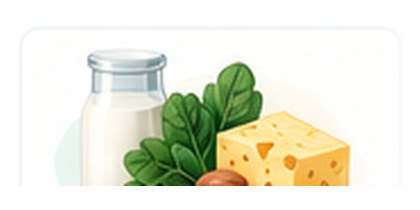
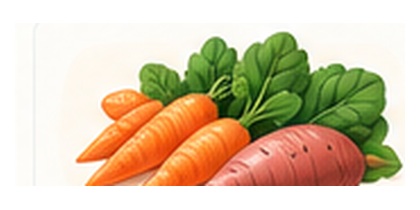
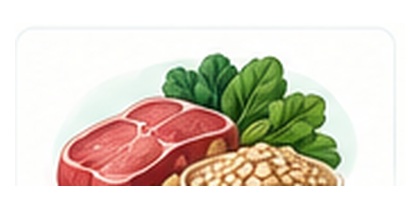
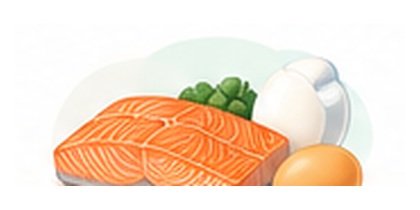
VitaminVitamin B2, or Riboflavin, belongs to the B vitamin family and is soluble in water. As a result, our bodies do not store it, and we must obtain it regularly through our diet. Vitamin B2 is vital in breaking down carbohydrates, fats, and proteins in the body, providing energy for all metabolic functions. It also acts as an antioxidant, shielding our cells from damage caused by free radicals. Additionally, vitamin B2 is essential for maintaining healthy skin, eyes, and red blood cells. Dairy products, eggs, meats, green leafy vegetables, and enriched grains are all excellent sources of vitamin B2. However, some people may require supplementation if they do not get enough riboflavin. Health issues such as IBD, IBS, and celiac disease may hinder the absorption of Vitamin B2.
Vitamin B2 is crucial for maintaining healthy hair, skin, and nails, as it supports the skin’s natural moisture barrier, protects against dehydration, and promotes radiant skin.
The liver, kidneys, and heart contain high levels of vitamin B2, which is essential for proper organ function. Its antioxidant properties protect against cellular damage and oxidative stress.
Vitamin B2 and Vitamin A are two crucial vitamins that work together to maintain the health of the mucus membrane in the digestive tract. This membrane protects the digestive system from harmful bacteria and other substances. These vitamins are responsible for keeping the membrane solid and healthy, crucial to maintaining proper digestive health. Therefore, it’s essential to include foods rich in these vitamins to prevent any conditions that may negatively affect your digestive system.
Riboflavin may help reduce Carpal Tunnel Syndrome (CTS) symptoms, such as pain and numbness. Research has shown riboflavin may benefit CTS by preventing nerve damage and promoting nerve regeneration. It also has anti-inflammatory properties that may help reduce swelling and inflammation caused by CTS. Also, riboflavin can help encourage blood flow to the affected area, aiding healing.
Riboflavin is a nutrient that helps maintain healthy eyes and reduce eye fatigue. It converts food into energy and acts as an antioxidant to protect against oxidative stress. Studies have shown that riboflavin supplements can improve visual acuity and contrast sensitivity and relieve eye fatigue. Riboflavin is also vital for preventing and treating cataracts by reducing oxidative stress. When combined with UV-blocking lenses, it can slow down or prevent cataract progression. Additionally, it helps maintain the cornea’s health, which can become damaged during cataract surgery.
Skin lesions are any damage or abnormality that occurs in the skin, including cuts, blisters, rashes, and ulcers. Individuals who suffer from a vitamin B2 deficiency are more likely to develop skin lesions, which usually appear as reddish-purple spots and can surface anywhere on the body, particularly around the mouth and nose.
Riboflavin increases energy production in brain cells, helping regulate brain chemistry and the nervous system. Low levels of Vitamin B2 can lead to migraines, and by increasing the intake of this crucial vitamin, sufferers may be able to reduce the frequency and severity of their migraines.
Low levels of riboflavin can cause fatigue, weakness, and a general feeling of lethargy because the body does not produce enough energy to meet daily demands.
Riboflavin is a necessary nutrient during pregnancy that affects the growth and development of the fetus. Its deficiency can lead to various congenital disabilities and complications, including premature birth, low birth weight, cleft palate, heart defects, and other malformations. Mothers may also experience complications such as anemia, preeclampsia, and other pregnancy-related health issues.
In some cases, the effects of the deficiency can manifest as a slowed mental response. This means the individual may experience difficulty processing information and making decisions, leading to a sluggish response time.
One of the primary risk groups is older people, as they may have a reduced ability to absorb and utilize Riboflavin from food sources. Additionally, individuals with certain genetic disorders, such as MTHFR gene mutations, may have difficulty metabolizing Riboflavin.
Drinking alcohol and smoking can harm your body’s ability to use a critical nutrient called riboflavin. Riboflavin is essential for good health, and not getting enough can cause various health issues. So, it’s a good idea to limit your alcohol and tobacco intake to make sure your body can use riboflavin properly and keep you healthy.
FOR ADULTS, THE RECOMMENDED DAILY INTAKE OF RIBOFLAVIN IS 1.1-1.3 MG FOR WOMEN AND 1.3-1.6 MG FOR MEN. FOR CHILDREN, THE RECOMMENDED DAILY INTAKE RANGES FROM 0.3-0.5 MG FOR INFANTS TO 0.8-1.1 MG FOR TEENAGERS.
2.8mg per 3oz serving
3.9mg per 3oz serving
.6mg per one fillet
1.5mg per 3oz serving
.6mg per 3oz serving
.7mg per 3oz serving
.9mg per 3oz serving
.8mg per 3oz serving
.5mg per 3oz serving
.9mg per 10 grape serving
.5mg per 1 cup diced serving
.3mg per 1 cup serving
.5mg per 1 cup serving
.2mg per 1oz serving
.3mg per 1oz serving
.1mg per 1cup serving
.4mg per 1 cup serving
.1mg per 1 cup serving
1mg per 1 cup serving
.5mg per 1 cup serving
.1mg per 1 cup serving
.3mg per 1oz serving
.1mg per 1oz serving
.5mg per 1 cup sliced serving
.4mg per 1 cup sliced serving
Create a free account to unlock recipes for each source, and start turning this into meals.
Try FeedMeFood for free →