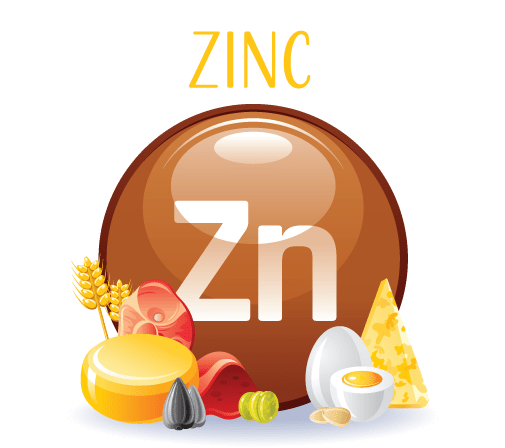
Essential Mineral
MineralZinc is a trace mineral, meaning that the body only needs small amounts. It is necessary for close to 100 enzymes to carry out vital chemical reactions.

Support feeling overall well being by improving symptoms of anxiety

Stimulates the production and activity of white blood cells
Vital for bone formation and regeneration

And the growth of reproductive organs. Required in the creation of DNA. It is important to have enough Zinc during times of rapid growth, as in adolescence and pregnancy.

Enhances skin repair, reducing redness and inflammation. It is known to help to relieve eczema, acne rosacea, irritation, dermatitis, itchy and dry skin

Zinc is important for prostate gland function. Not only does it prevents prostate enlargement but might also help to shrink a prostate gland that’s already swollen

Deficiency leads to frail bones because zinc inhibits bone breakdown

In a 1996 study shows an extreme zinc deficiency has been found to cause erectile dysfunction

Excessive amounts may cause diarrhea, abdominal cramps, and vomiting
Maternal zinc deficiency may cause: Fetal loss, congenital malformations, low birth weight, and preterm delivery
Deficiency can lead to depression, increased anxiety, irritability, emotional instability, and induced deficits in social behavior.

Deficiency in zinc leads the body to fail to stimulates the production and activity of white blood cells

Zinc was discovered in the ancient city of Zawar in India. Zawar’s zinc-smelting operations date back 2,000 years.

About 30% of the world’s population is at risk of zinc deficiency due to poor diet.

Zinc oxide is commonly used as a sunscreen ingredient.
THE DAILY RECOMMENDED INTAKE OF ZINC IS AROUND 8 MILLIGRAMS FOR WOMEN & 11 MILLIGRAMS FOR MEN.
Meat & Protein
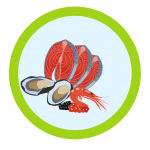
FISH & SEAFOOD

Six raw medium-size oysters providing more than 32mg.
3.5 ounces of Alaskan king crab providing approximately 6.5mg of zinc.
Just 3.5 ounces of cooked lobster containing about 3.4mg.
3.5 ounces of cooked salmon providing around 0.5mg of zinc.
One 3.5 ounce serving of cooked shrimp providing roughly 1.2mg.
Grains, Herbs, Oils & Roots
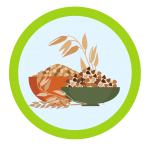
WHOLE GRAINS
Contains around 17 mg of zinc per 100g.
Provides about 3 mg per 100g.
Eating 100g of oats can provide you with up to 2.3 mg of zinc.
Just 100g of cooked quinoa supplying 1.1 mg .
It has around 0.9 mg of zinc per 100g.

BEANS & LEGUMES
Just one cup of chickpeas contains approximately 2.5 milligrams.
One cup providing approximately 2 milligrams of the mineral.
A one-cup serving of cooked lentils contains approximately 1.2 milligrams.
A one-cup serving providing approximately 1.2 milligrams of the mineral.
Just one-cup serving providing approximately 1.4 milligrams of the mineral.
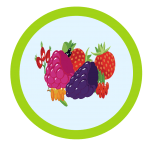
Berries
100g of berries containing 0.53mg of zinc.
Contain around 0.42mg per 100g, making them another excellent source of this mineral.
Contains around 1.47mg of zinc per 100g.
Containing around 0.16mg per 100g.
Provide 2.45mg of zinc per 100g.
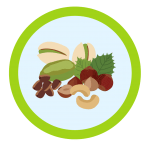
NUTS & SEEDS
One ounce providing almost half of the daily recommended intake.
Just one ounce providing around 10% of the daily recommended intake.
1 ounce providing around 6% of the daily recommended intake.
1 ounce of hemp seeds provides 21% of the daily recommended intake.
One ounce providing around 12% of the daily recommended intake.
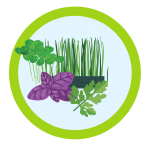
HERBS
 Recipes
Content: 1.8mg per 100g servings
Provides 0.81mg per 100g servings
Content: 0.82mg per 100g servings
Provides 2.71mg per 100g servings
Contains 2.71mg per 100g servings
Provides 0.56mg per 100g servings
Content: 0.55mg per 100g servings
Provides 1.6mg per 100g servings
Content: 0.69mg per 100g servings 9. Dandelion – Zinc content: 0.41mg per 100g servings.
Content: 0.41mg per 100g servings.
Create a free account to unlock recipes for each source, and start turning this into meals.
Try FeedMeFood for free


 Back
Back Source Code Food