
What Does Biotin Do?
This content is provided for educational purposes only and is not intended as medical advice. It does not diagnose, treat, cure, or prevent any condition.
Individual needs can vary. Always consult your licensed healthcare provider before making significant dietary or lifestyle changes.
Understanding Vitamin B7 in Real Life
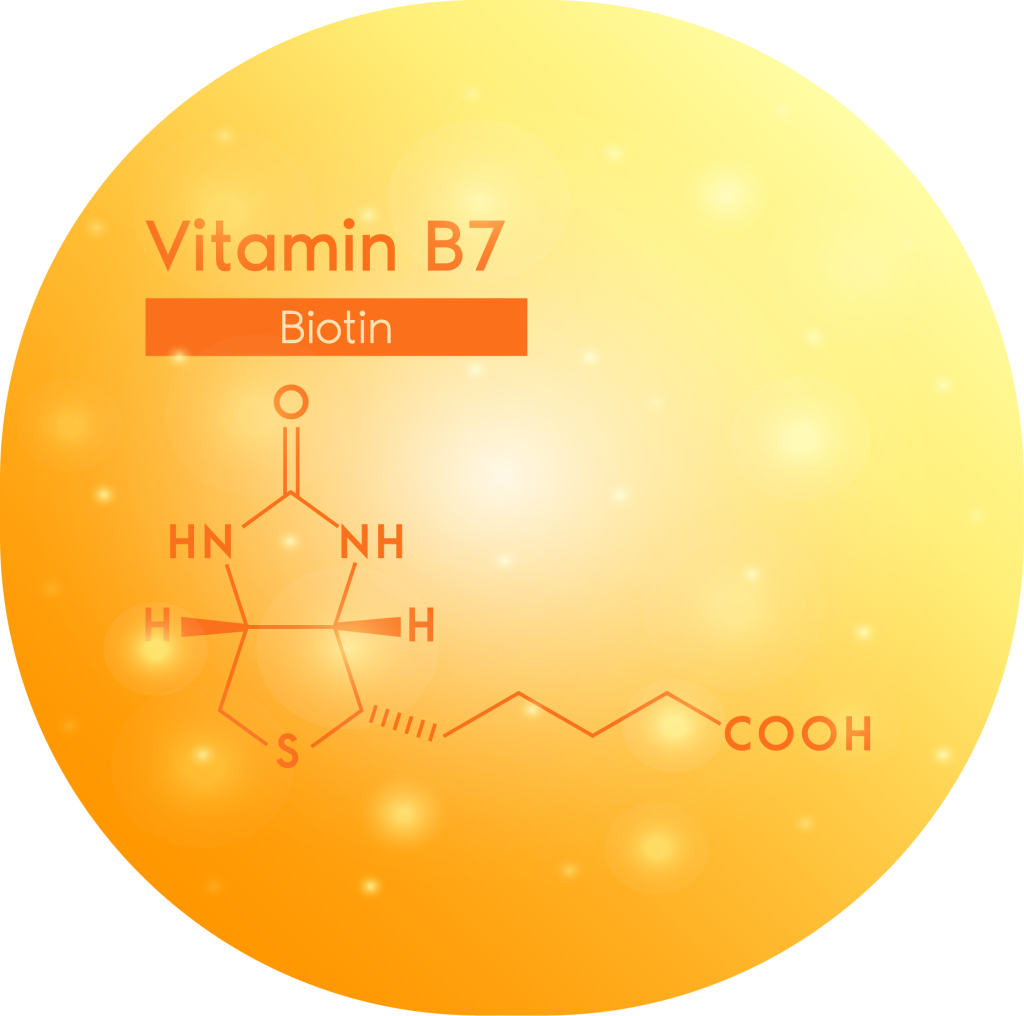
Biotin (vitamin B7) helps your body turn food into energy.
It plays a central role in how your body processes carbohydrates, fats, and proteins—supporting how your body uses nutrients throughout the day.
You’ll often hear biotin associated with healthy hair, skin, and nails. While it does play a role there, its most important function is supporting how your body works at a cellular level.
What Biotin Actually Does
Biotin works as a coenzyme—helping your body carry out essential processes like:

Converting food into usable energy

Supporting how your body balances and uses glucose

Breaking down fats

Helping process amino acids (protein building blocks)
Because it’s water-soluble, your body doesn’t store large amounts. That means regular intake through food matters more than occasional focus.
Why This Matters in Everyday Life
This isn’t just about metabolism on paper.
It shows up in real ways:
• how steady your energy feels throughout the day
• how your body responds to meals
• how your cells repair and maintain themselves
Biotin also supports keratin production—the protein associated with hair, skin, and nails.
But it’s not a quick fix. It works as part of a bigger system.
Biotin vs. Collagen
These two are often compared, but they serve different roles.
• Biotin helps your body process nutrients and supports keratin production
• Collagen is a structural protein that supports skin, joints, and connective tissue
They aren’t interchangeable.
If your goal is overall nutrition → focus on food
If you’re addressing something specific → that’s where professional guidance matters
Who May Need to Pay More Attention
Some people may need to pay closer attention to their intake:
- people with limited or restrictive diets
- those experiencing chronic stress
- individuals with certain digestive issues
- people relying heavily on processed foods
The Best Way to Support Biotin Levels
The most effective and sustainable way to support biotin is through food—not supplements alone.
Biotin works best when it’s part of a balanced, whole-food diet that supports your body as a system.
Instead of overthinking it, focus on small, repeatable habits:
How to Use This in Real Life
Instead of overthinking nutrients, focus on simple patterns:
• add eggs or avocado to breakfast
• include nuts or seeds as a snack
• rotate leafy greens into meals
• build meals around whole ingredients
Consistency matters more than perfection.
Turn This Into Something You Can Follow
Knowing what biotin does is helpful. Using that information consistently is what supports your body.
FeedMeFood helps you turn this into real, repeatable meals.
With full access, you can:
• plan your meals around foods that support your body
• organize your week in one place
• track what you already have at home
• reduce waste and daily decision fatigue
What Happens When Intake Is Low
Biotin Deficiency is not common, but when intake is low, it may affect:

Energy Levels
Skin Scalp Health

Focus and Mental Clarity