

What Is Polycystic Ovarian Syndrome (PCOS)?
Polycystic Ovarian Syndrome (PCOS) is one of the most common hormonal disorders affecting women of reproductive age, estimated to impact between 8–13% of women worldwide. Despite being recognized for decades, the exact cause of PCOS remains unclear. It is, however, strongly linked to hormonal imbalances and metabolic issues that can affect fertility, appearance, and long-term health.
PCOS is characterized by a combination of symptoms, which may include irregular or absent menstrual cycles, higher-than-normal levels of androgens (male hormones present in all women), and multiple small cysts on the ovaries. Not every woman with PCOS will have all these features, and the condition can vary greatly in its presentation.
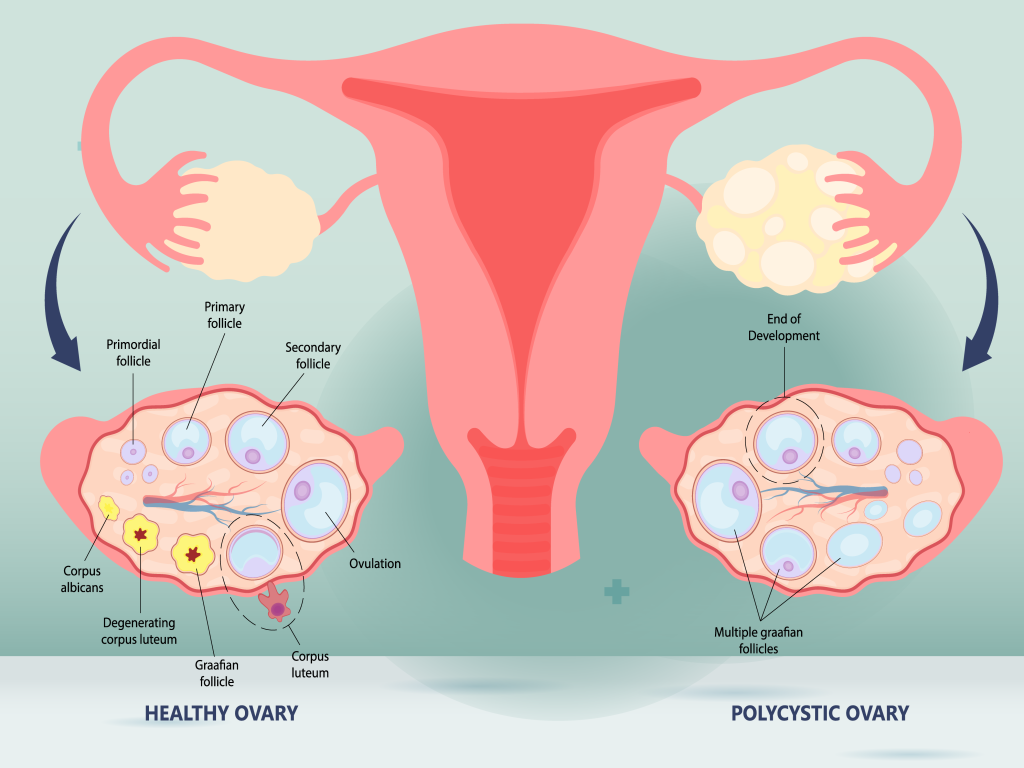
During a typical menstrual cycle, the ovaries release an egg in a process called ovulation. In PCOS, ovulation may occur infrequently or not at all, causing irregular cycles and potential fertility challenges. Additionally, the ovaries may produce excess androgens, which can lead to acne, unwanted hair growth, and scalp hair thinning.
While PCOS often begins during adolescence, many women do not receive a diagnosis until they try to conceive or experience noticeable symptoms later in life.
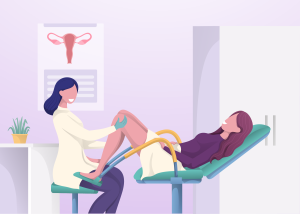
If you are experiencing pain or discomfort during your menstrual cycle, it is essential to talk to your healthcare provider. They can help determine if you have Polycystic Ovarian Syndrome and provide treatment options to help manage your symptoms.
PCOS Symptoms
Abdominal Pain
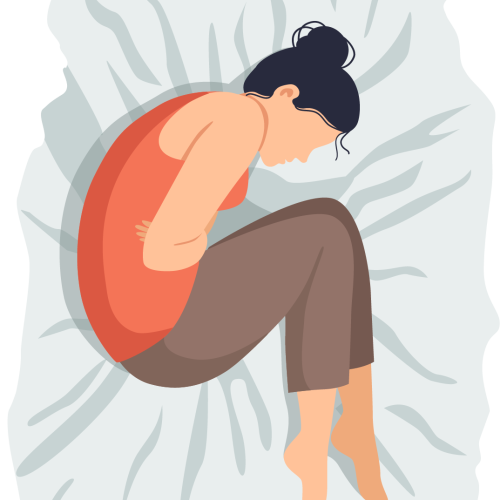
One of the most common symptoms associated with endometriosis is pain and excruciating menstrual cramps, which may extend to the abdomen and lower back.
Heavy or Irregular Periods
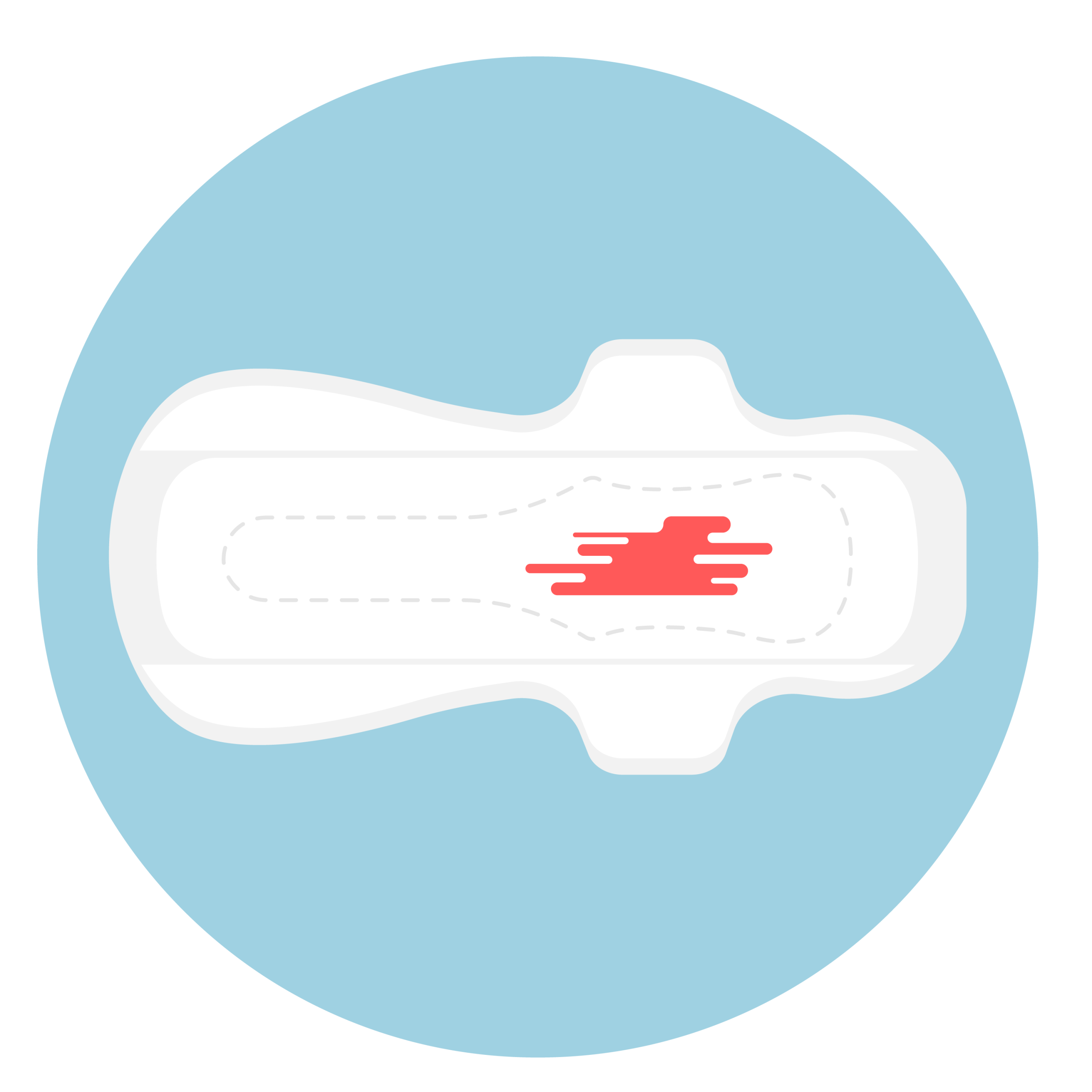
A hallmark sign of PCOS is an unpredictable menstrual cycle. Some women have fewer than eight periods per year, while others may have none for several months. This irregularity is due to a lack of regular ovulation.
Scalp Hair Thinning
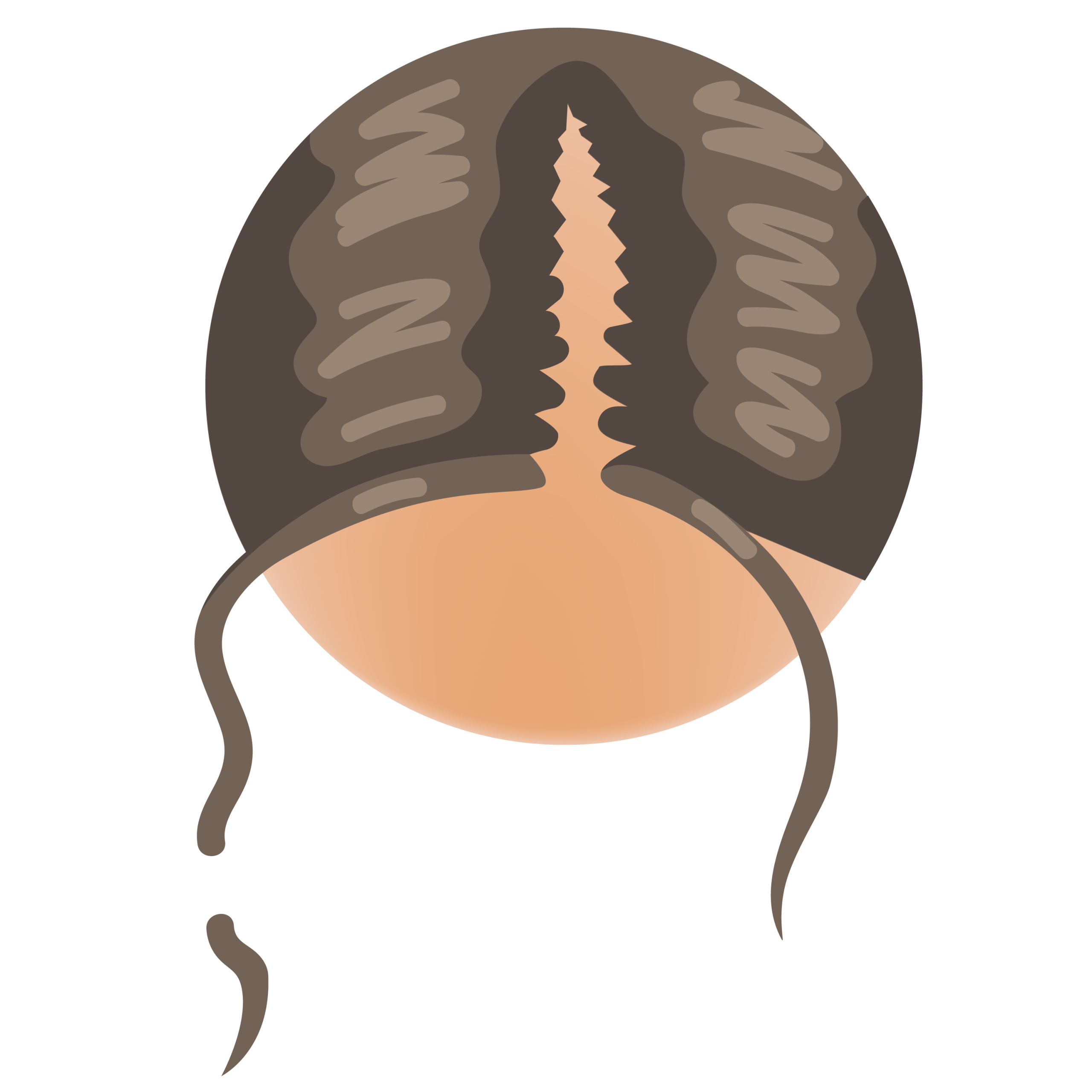
While excess hair may appear in some areas, PCOS can also cause thinning hair on the scalp, similar to male-pattern baldness.
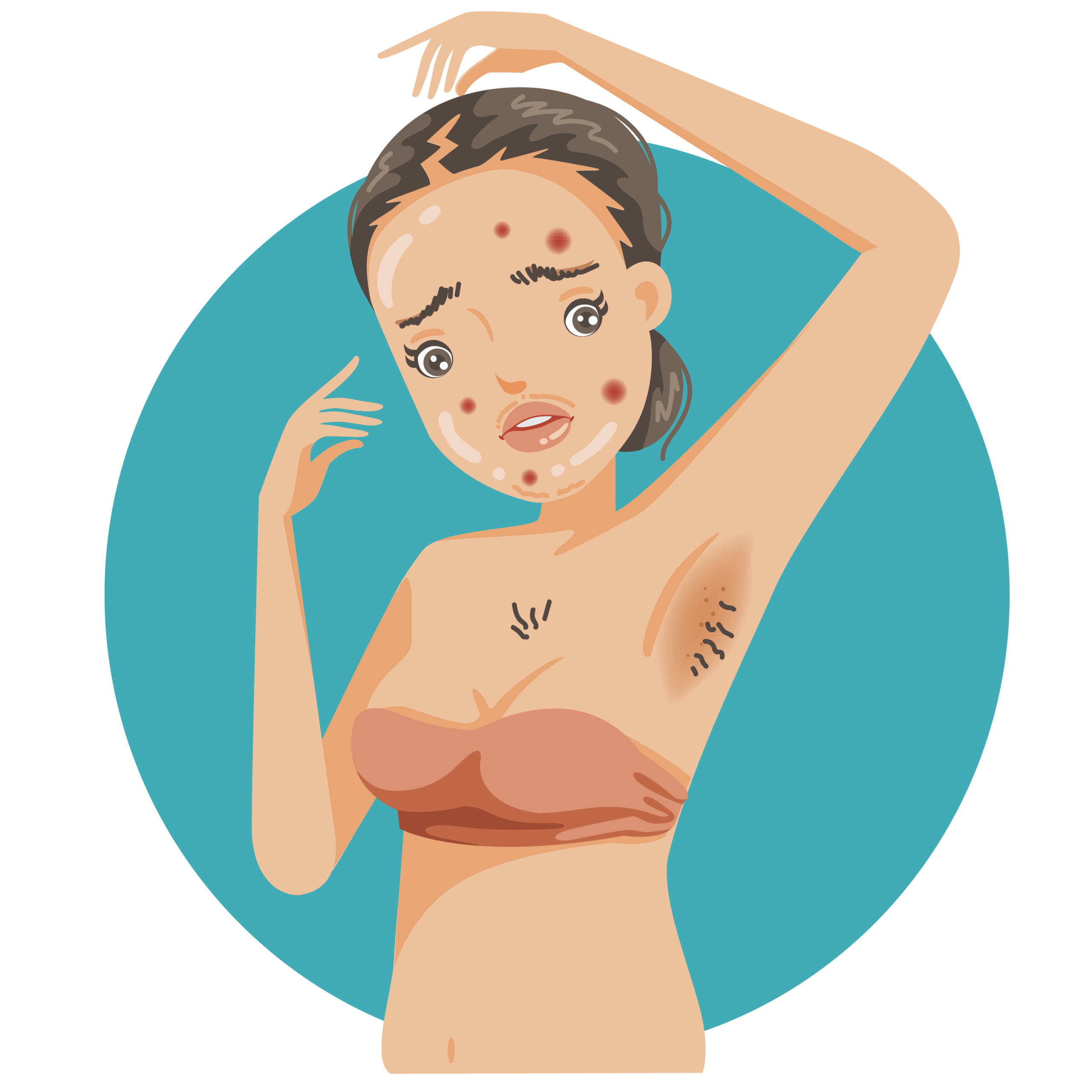
Excess Hair Growth (Hirsutism)
PCOS can cause unwanted hair growth on the face, chest, abdomen, or back due to elevated androgen levels. This symptom can range from light to heavy and often has a significant emotional impact.

Acne and Oily Skin
Persistent acne, especially along the jawline and lower face, is common in PCOS. The hormonal imbalance leads to increased oil production, which can cause clogged pores and breakouts.
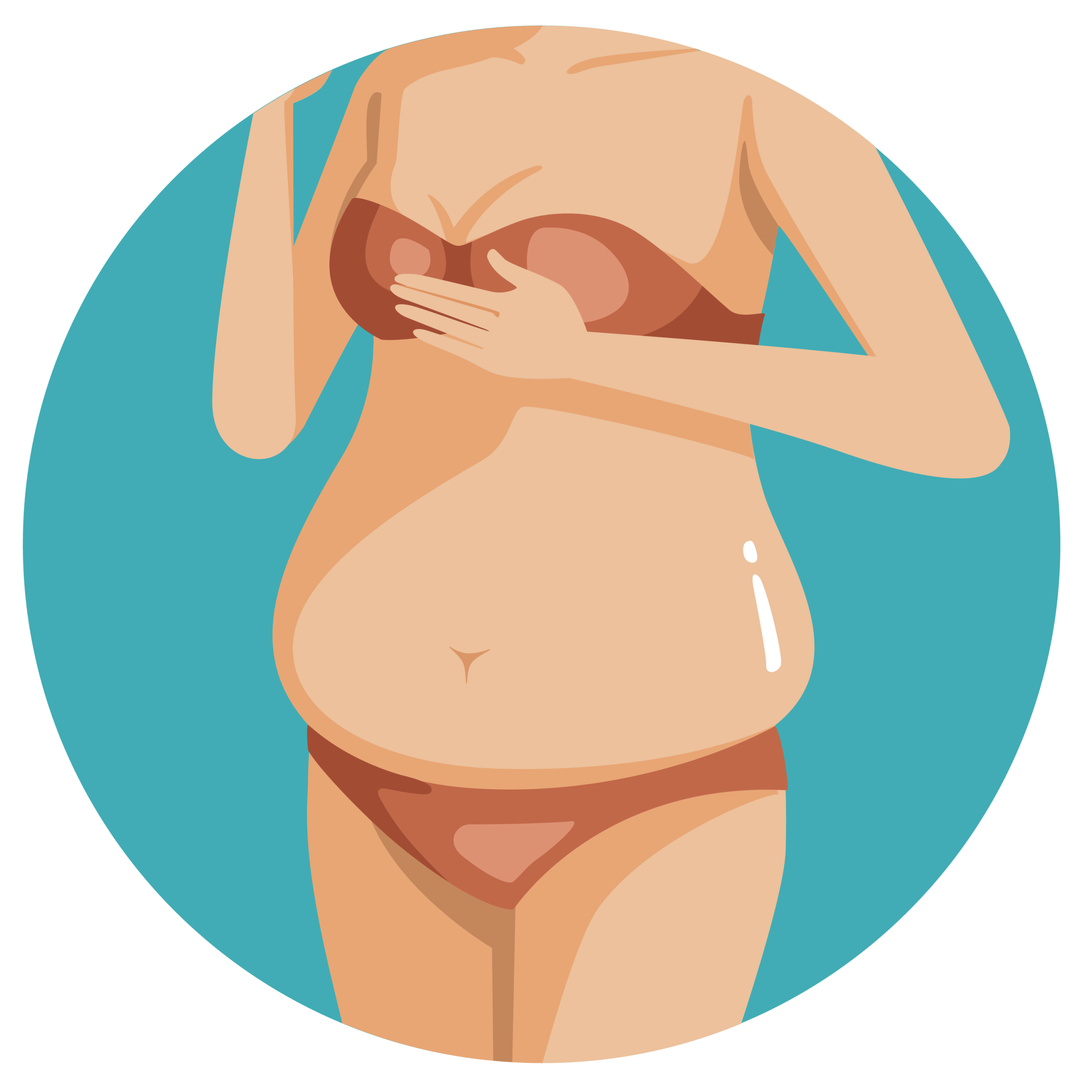
Weight Gain and Difficulty Losing Weight
Many women with PCOS experience weight gain, especially around the abdomen. Insulin resistance—a reduced ability of the body to use insulin effectively—is a key factor contributing to weight challenges.
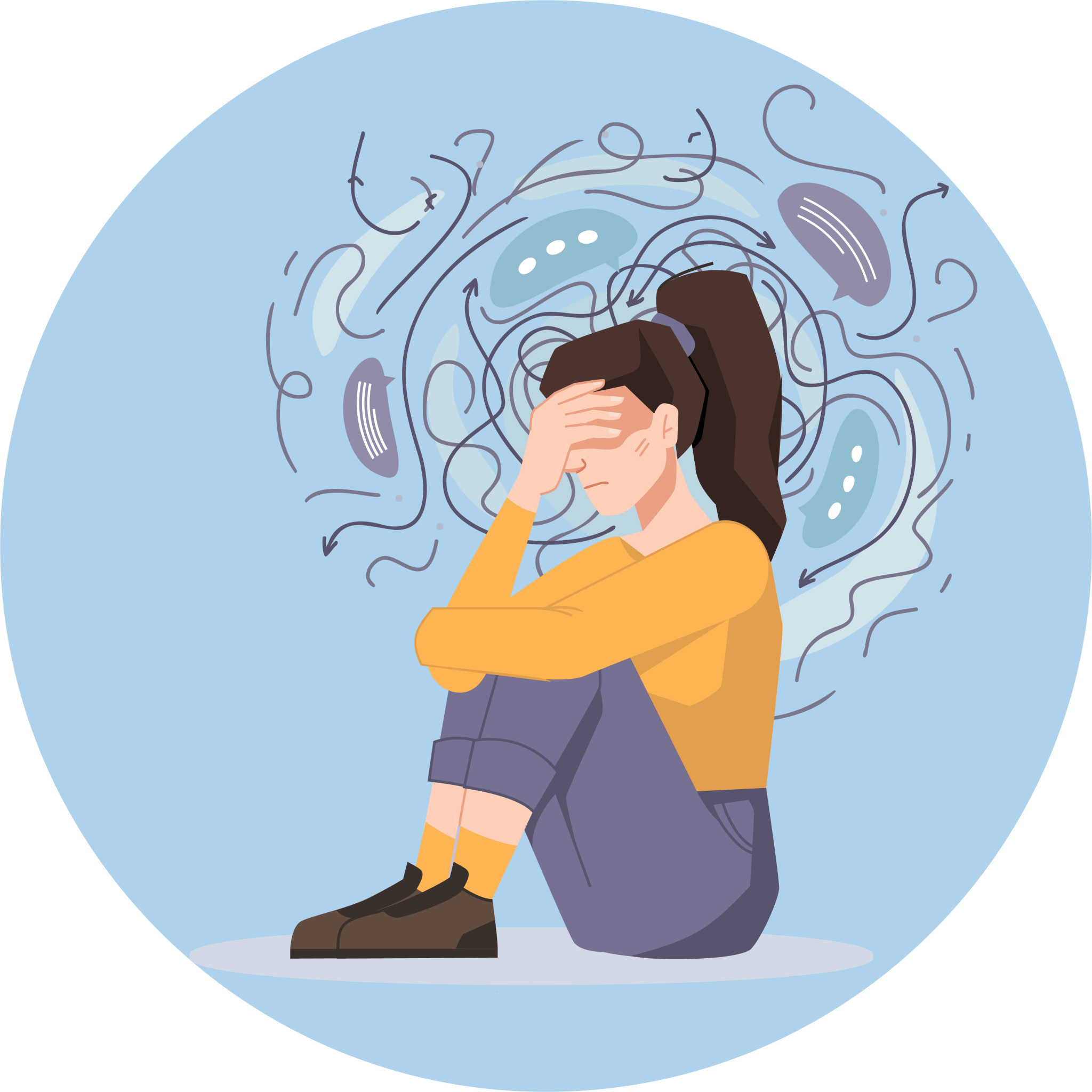
Mood Changes and Fatigue
Hormonal fluctuations, inflammation, and metabolic imbalances can contribute to fatigue, anxiety, and depression in women with PCOS.
Fertility Challenges
Because PCOS disrupts ovulation, it is one of the leading causes of infertility in women. Without regular release of eggs, conception becomes more difficult without medical assistance.
Understanding the Causes and Theories of PCOS
Although the exact cause of PCOS is not fully understood, research points to a combination of genetics, hormonal imbalances, and insulin resistance.
- Hormonal Imbalance – Women with PCOS often have higher levels of luteinizing hormone (LH) and androgens, which can disrupt normal ovulation.
- Insulin Resistance – When cells do not respond properly to insulin, the body produces more of it. High insulin levels can stimulate the ovaries to produce more androgens.
- Genetic Influence – PCOS tends to run in families, suggesting a hereditary link.
- Low-Grade Inflammation – Many women with PCOS have mild, ongoing inflammation, which may contribute to insulin resistance and higher androgen production.
Advances in PCOS Treatment
There is no single cure for PCOS, but its symptoms can be managed with a combination of lifestyle changes, medical treatments, and targeted therapies.
Lifestyle Modifications
- Balanced Diet: A focus on whole foods, high fiber, lean proteins, and healthy fats can help manage blood sugar and hormone levels.
- Regular Exercise: Strength training and aerobic activity improve insulin sensitivity and support weight management.
- Weight Loss (if needed): Even a modest 5–10% weight loss can help restore ovulation and regulate cycles.
Medical Options
- Hormonal Birth Control: Regulates menstrual cycles, lowers androgen levels, and improves acne.
- Ovulation Induction: Medications like letrozole or clomiphene may help women trying to conceive.
- Metformin: Commonly used to improve insulin sensitivity and regulate cycles.
Targeted Symptom Management
Dermatological treatments for persistent acne or hair loss.
Anti-androgen medications for hair growth and acne.
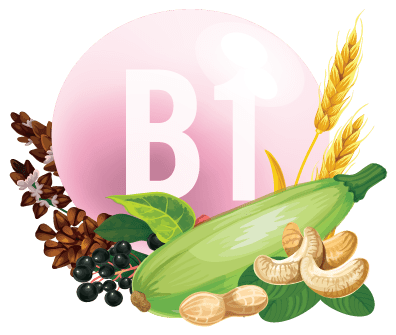
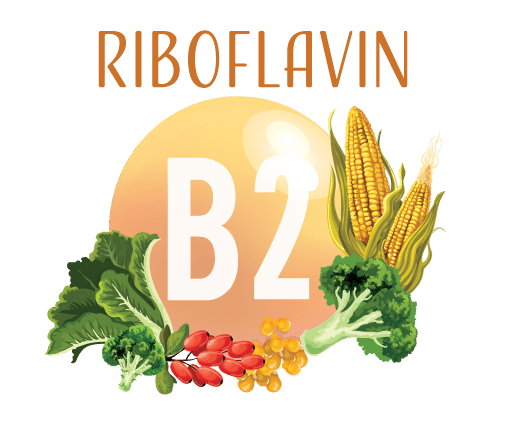
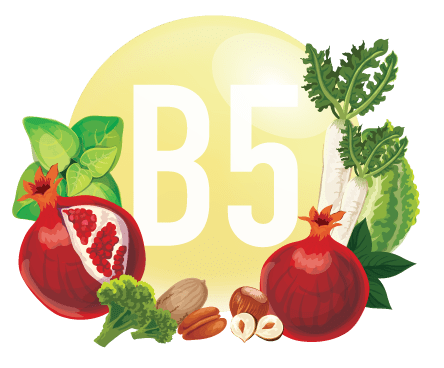
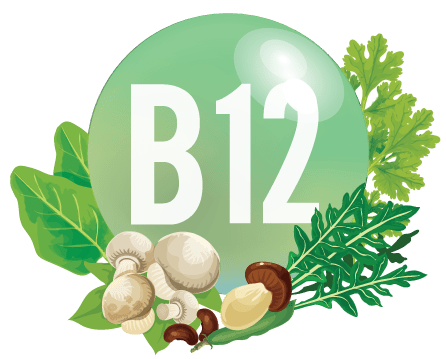
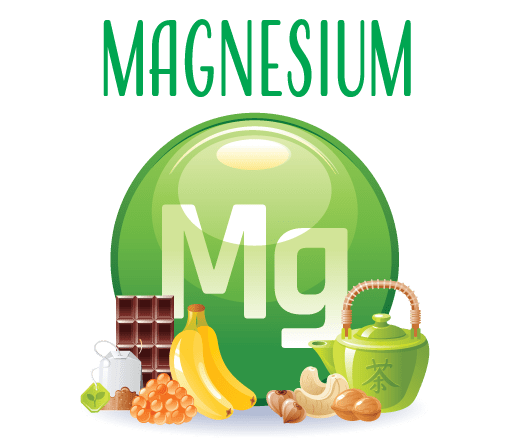
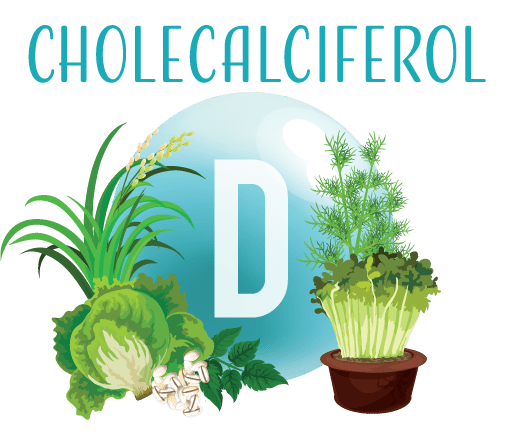
Nutrients to Support Hormonal and Metabolic Balance
Living With PCOS
PCOS is a long-term condition, but with early diagnosis and consistent management, many women lead healthy, active lives and achieve their fertility goals. It is important to work closely with a healthcare provider to develop a personalized plan.
If you experience symptoms such as irregular cycles, excess hair growth, or unexplained weight changes, seek evaluation from a qualified medical professional.
📚 Further Reading on PCOS
- Mayo Clinic: Polycystic Ovary Syndrome (PCOS) – Comprehensive overview of causes, symptoms, and treatment options.
- Cleveland Clinic: PCOS – Details on diagnosis, management, and fertility considerations.
- StatPearls: Polycystic Ovarian Syndrome – NCBI Bookshelf – In-depth clinical review for both patients and professionals.
- PubMed Central: Lifestyle and Dietary Interventions in PCOS – Research on how nutrition and exercise impact symptoms.
- PMC: Insulin Resistance and PCOS – Analysis of the metabolic connection and treatment strategies.
- PMC: Mental Health in PCOS – Examination of anxiety, depression, and emotional well-being in women with PCOS.