
Source Code Food / Mineral
Zinc
Zinc helps with DNA and protein synthesis, normal immune function, growth, and wound healing.
A good place to start
What is Zinc?
Zinc is required for the catalytic activity of many enzymes.
The useful question is where it shows up in ordinary food, what your body uses it for, and which daily-intake guidance actually applies to you.
At a glance
Everyday food sources
Oysters · Beef
Reference example
11 mg · Men 19+
How it works
What Zinc does
Enzyme activity
Zinc is required for the catalytic activity of many enzymes.
DNA and protein synthesis
It contributes to normal cellular growth and repair.
Immune function
Adequate zinc is required for normal immune-cell function.
Taste and smell
Zinc is involved in normal taste and smell.
The everyday kitchen
Where to find it in food
These familiar foods can contribute Zinc. How much they contain depends on serving size, processing, variety, and fortification.
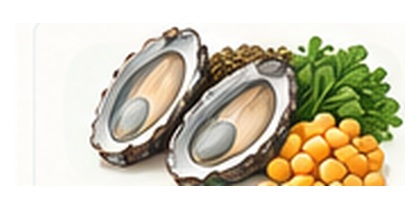
Oysters
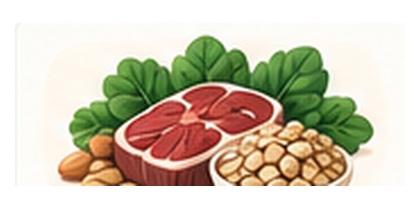
Beef
Beans
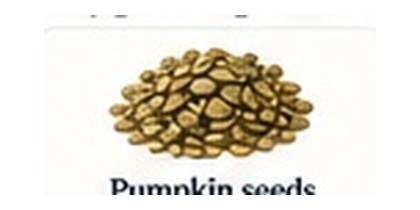
Pumpkin seeds
Dairy foods
Food quantities vary. For exact amounts, consult USDA FoodData Central or the nutrient-specific NIH reference below.
Dietary reference
How much do you need?
These are established reference amounts for the groups shown—not a personal prescription. Needs may differ by age, pregnancy, breastfeeding, health conditions, and medications.
| Group | Daily reference |
|---|---|
| Men 19+ | 11 mg |
| Women 19+ | 8 mg |
RDA = Recommended Dietary Allowance; AI = Adequate Intake. A target for a nutrient isn't a recommendation to take a supplement. For all ages and life stages, see the linked primary reference.
In the kitchen
A familiar place to start
Beef and shellfish are rich in zinc; beans, pumpkin seeds, and whole grains contribute too.
One ingredient never tells the whole nutrition story. Your overall food pattern and individual needs matter more.
Read a little further
Research & trusted sources
Check the original references for nutrient-specific evidence, food data, special populations, and the distinction between foods and supplements.