
A practical place to start
Understanding Anemia
Anemia has several possible causes, so food advice depends on the type. Iron deficiency is common, but vitamin B12 or folate deficiency, blood loss, chronic disease, kidney disease, inherited conditions, and other factors can also be involved. Nutrition can help address nutrient intake, but testing and diagnosis matter.
Anemia means the blood does not carry oxygen as effectively as it should, often because there are too few healthy red blood cells or too little hemoglobin. Fatigue, weakness, shortness of breath, dizziness, or feeling cold can occur, but symptoms alone cannot identify the cause.
Iron-deficiency anemia is only one type. Treatment differs depending on whether low iron, low vitamin B12, low folate, blood loss, chronic illness, or another cause is involved.
At the grocery store
Foods and patterns worth understanding
Food choices may help meet nutrient needs when a deficiency is present, but the right focus depends on the type and cause of anemia.

Iron-rich foods
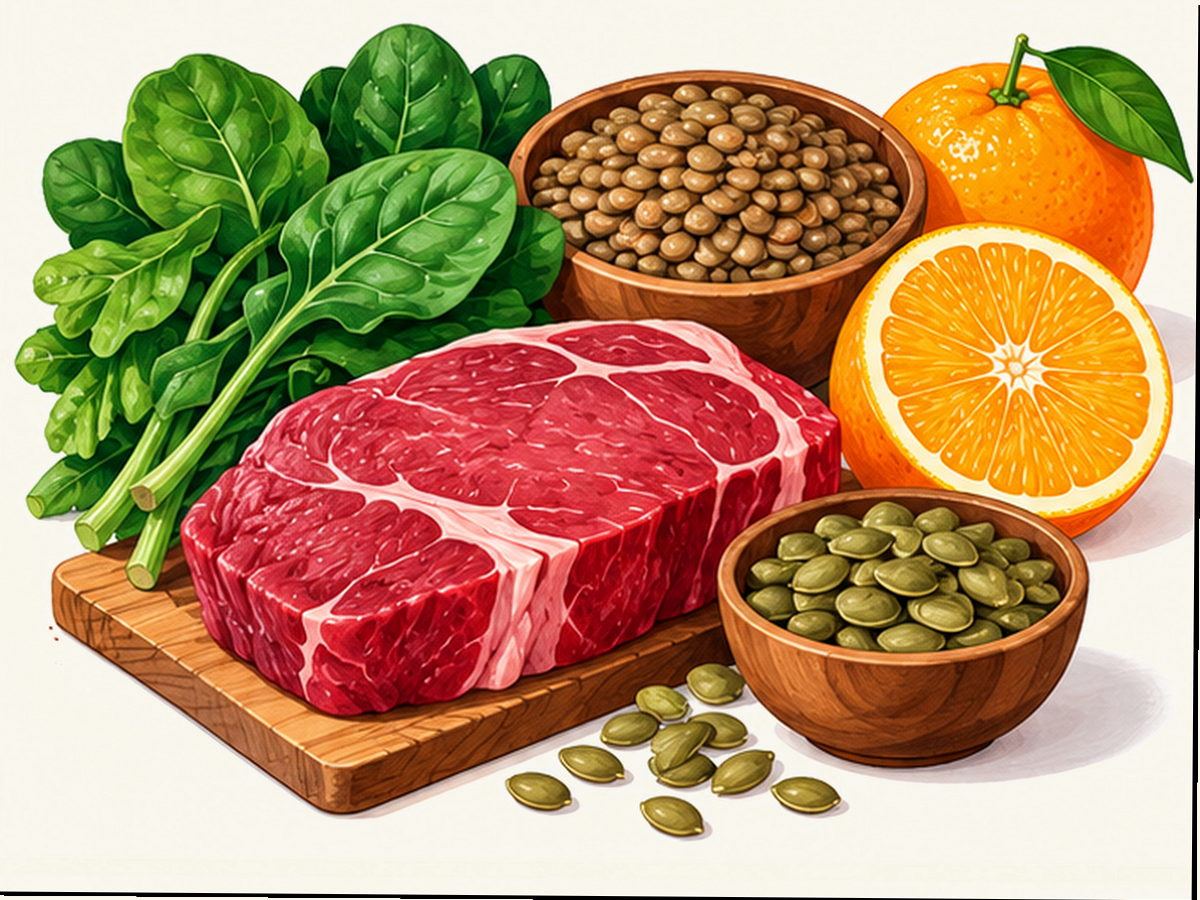
Meat, poultry, seafood, beans, lentils, and fortified grains can contribute iron.

Vitamin C foods
Citrus, berries, tomatoes, peppers, and other produce can help with non-heme iron absorption.

Vitamin B12 sources
Fish, meat, eggs, dairy, and fortified foods are common dietary sources.
Folate-rich foods
Leafy greens, beans, peas, citrus, and fortified grains provide folate.
Adequate overall nourishment
Regular meals with enough protein and energy matter when appetite or fatigue makes eating difficult.
In the kitchen
What this can look like in a meal
These familiar meal ideas illustrate food patterns, not a prescribed diet or a required portion size. The right choices depend on the person and their circumstances.

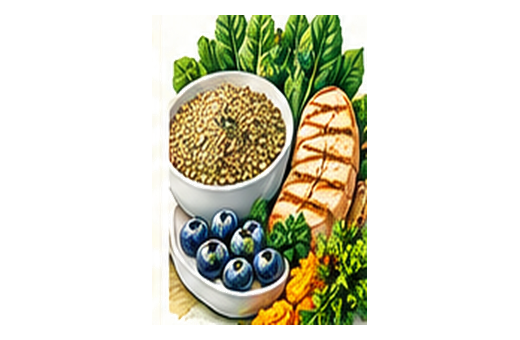
Oatmeal with berries and pumpkin seeds
A practical breakfast that combines fortified or whole-grain foods with vitamin C-rich fruit.
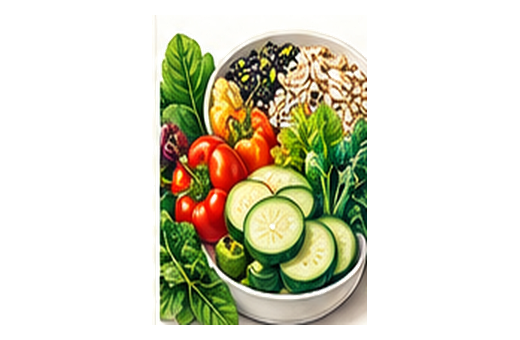
Chicken, greens, and grain bowl
Protein, leafy greens, whole grains, and colorful produce in one meal.
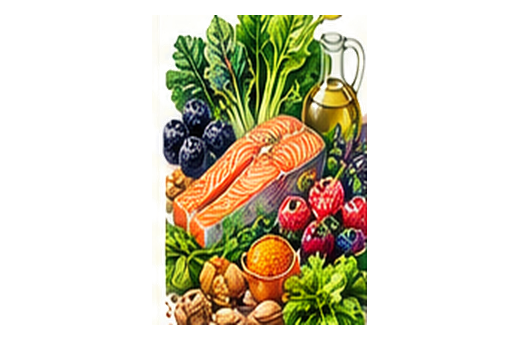
Salmon with broccoli and potatoes
A balanced meal with protein plus vegetables and a familiar starch.
Lentils with tomatoes and citrus on the side
Plant-based iron paired with vitamin C-rich foods.
Looking for more cooking ideas? Explore public recipes on The Fuel Board.
What the evidence shows
What research tells us
Iron is needed to make hemoglobin. Heme iron from animal foods is generally absorbed more efficiently than non-heme iron from plant foods, while vitamin C can improve absorption of non-heme iron.
Vitamin B12 and folate also support normal red blood cell formation. Supplements should not be used as a substitute for finding the cause of anemia, especially when symptoms are new, severe, or persistent.
Individual needs matter
When more personal guidance helps
Seek medical evaluation for suspected anemia rather than assuming it is caused by low iron. Heavy bleeding, pregnancy, digestive disease, kidney disease, medications, and other conditions may change what testing or treatment is appropriate.
Iron supplements can cause side effects and too much iron can be harmful. Use supplements according to professional guidance when they are recommended.
Learn from the source