
A practical place to start
Understanding Hypertension
Diet can play a meaningful role in blood pressure, especially an overall DASH-style eating pattern and lower sodium intake. Individual needs still vary, particularly with kidney disease, medications, pregnancy, or a prescribed sodium or potassium limit.
Hypertension means blood pressure is consistently higher than recommended. Over time, high blood pressure can increase the risk of heart disease, stroke, kidney disease, and other complications.
Blood pressure is influenced by genetics, age, body size, medications, sleep, physical activity, alcohol, sodium intake, and other factors. Nutrition is important, but it does not replace prescribed treatment.
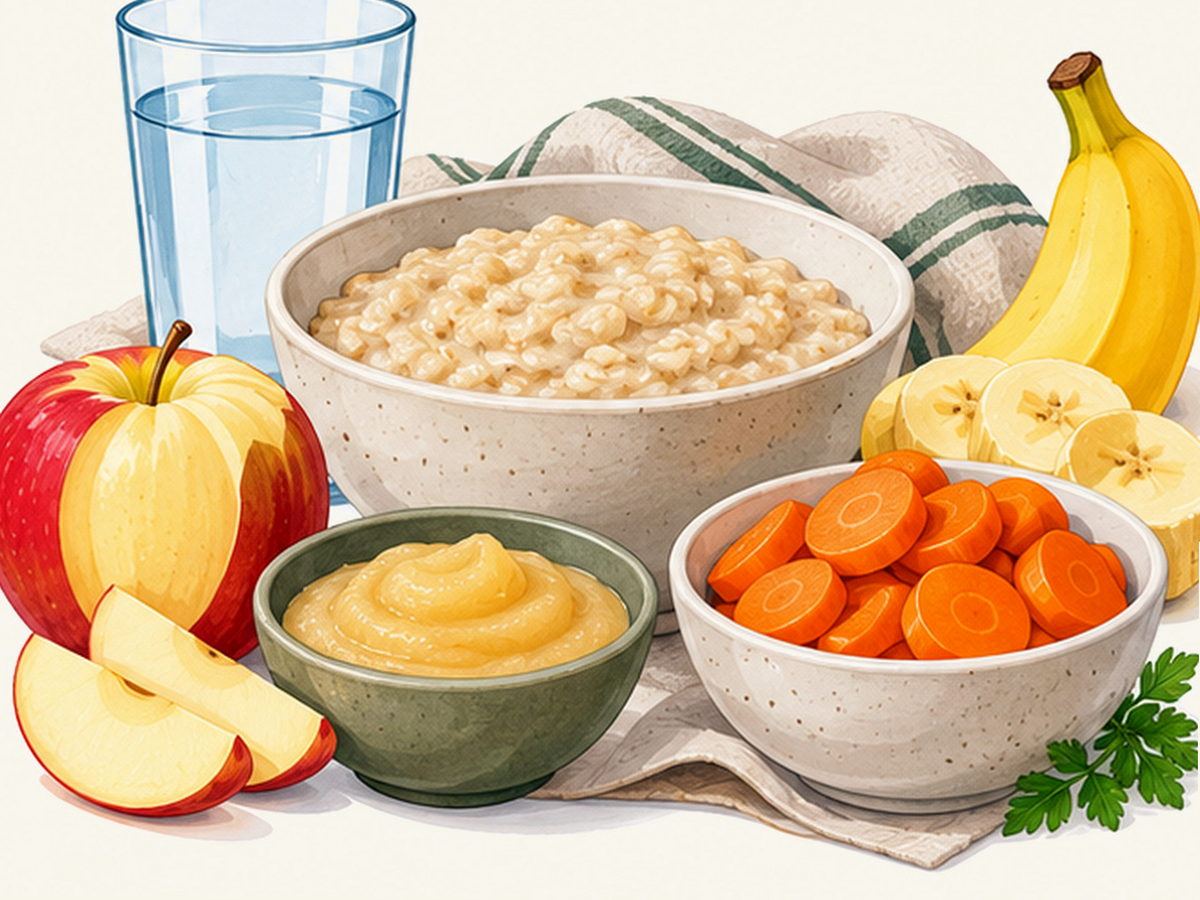
At the grocery store
Foods and patterns worth understanding
A DASH-style pattern emphasizes minimally processed foods, lower sodium, and nutrient-rich plant foods.

Vegetables and fruit
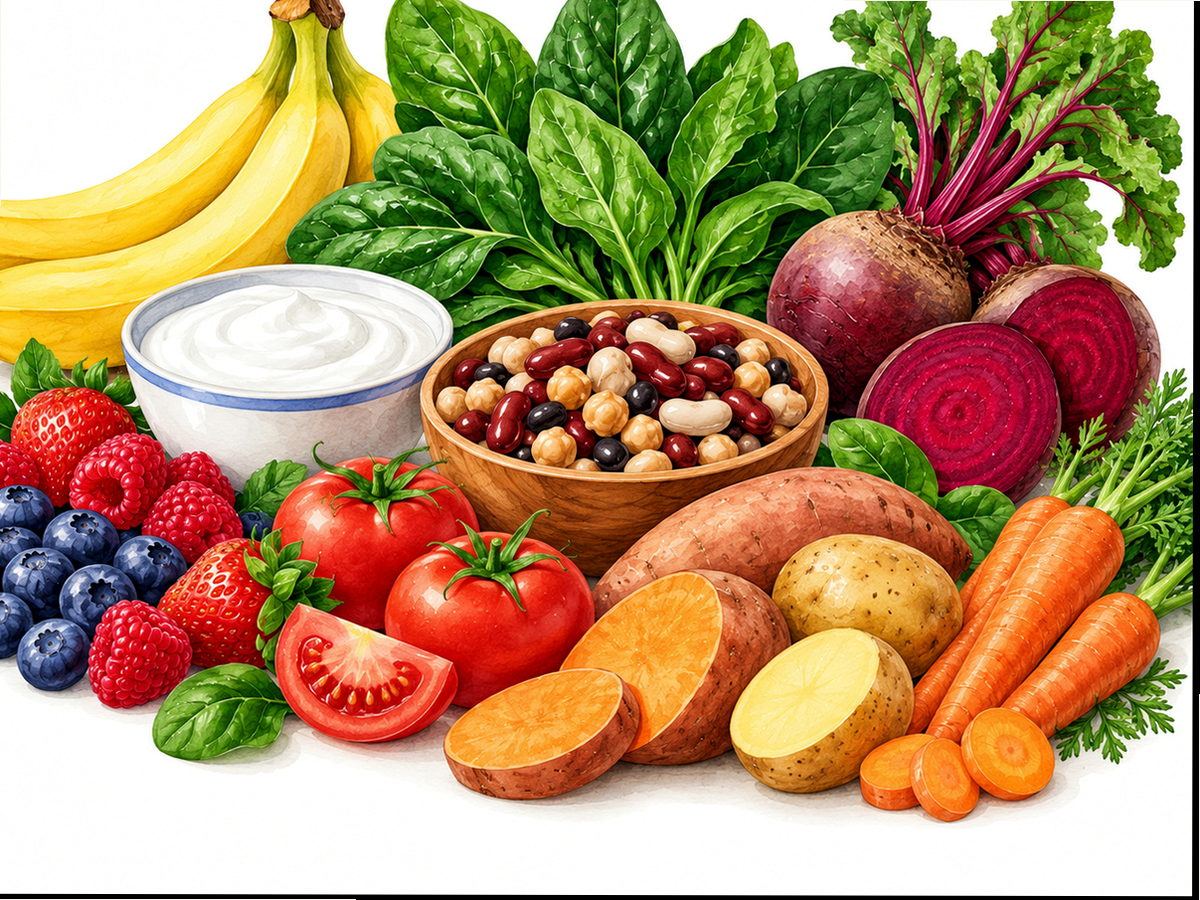
Produce contributes potassium, magnesium, fiber, and other nutrients.

Whole grains
Whole grains add fiber and can replace refined grains.

Beans, peas, and nuts
These foods contribute plant protein, magnesium, potassium, and fiber.
Unsaturated fats
Vegetable oils, nuts, seeds, avocado, and fish fit DASH-style patterns.
Lower-sodium choices
Fresh or minimally processed foods often make sodium easier to manage.
In the kitchen
What this can look like in a meal
These familiar meal ideas illustrate food patterns, not a prescribed diet or a required portion size. The right choices depend on the person and their circumstances.

Oats with berries and unsalted nuts
A DASH-style breakfast with whole grains and fruit.
Chicken salad with beans
Vegetables, lean protein, and legumes; choose lower-sodium ingredients when possible.
Salmon with vegetables and brown rice
Fish, vegetables, and a whole grain.
Fruit with unsalted nuts
A simple snack with minimal added sodium.
Looking for more cooking ideas? Explore public recipes on The Fuel Board.
What the evidence shows
What research tells us
The DASH eating pattern is one of the best-studied dietary approaches for lowering blood pressure. It emphasizes vegetables, fruit, whole grains, low-fat dairy or suitable alternatives, fish, poultry, beans, nuts, seeds, and vegetable oils.
Reducing sodium can lower blood pressure, and the effect is often greater when a lower-sodium intake is combined with a DASH-style pattern. Potassium-rich foods can be helpful for many people, but intentionally increasing potassium is not appropriate for everyone.
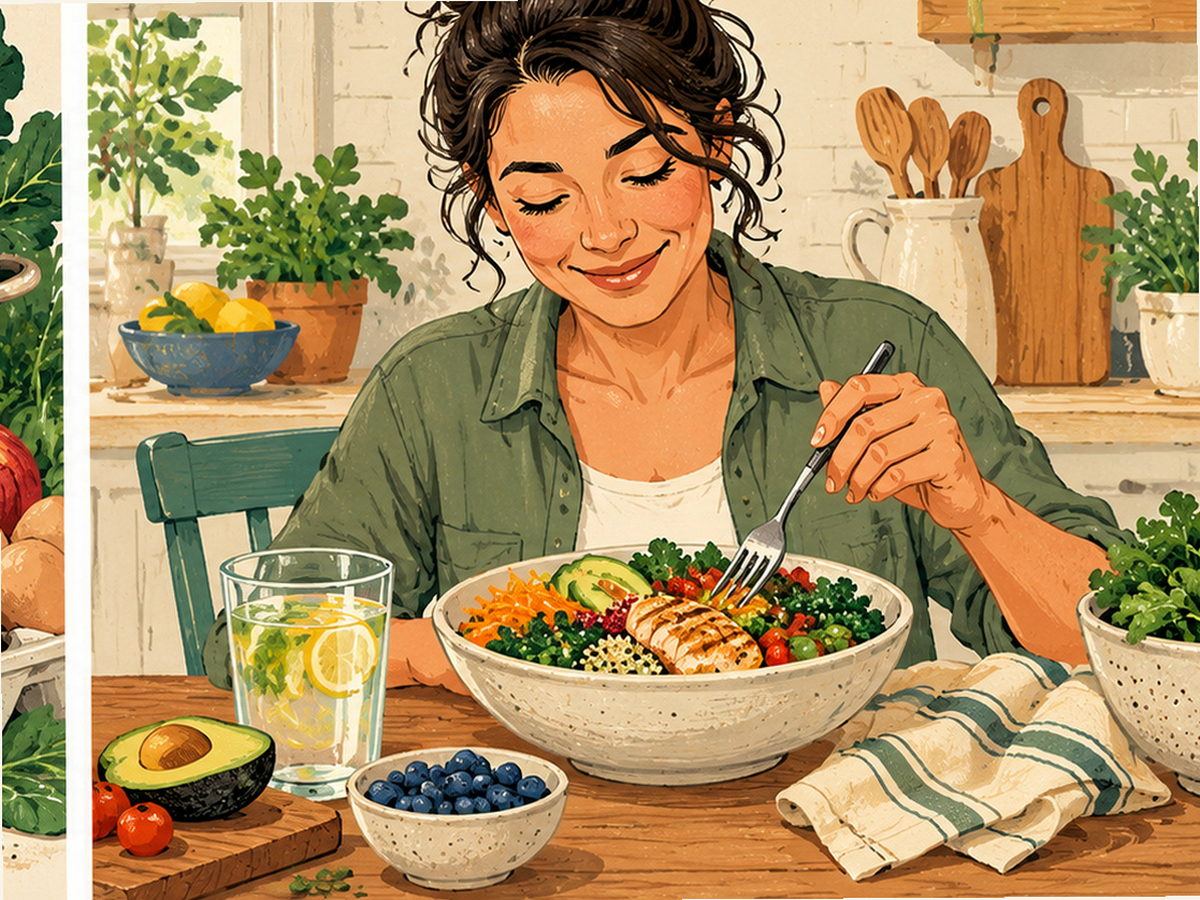
Individual needs matter
When more personal guidance helps
If you have chronic kidney disease, have been told to limit potassium, or take medications that can raise potassium, do not intentionally increase high-potassium foods without guidance.
Pregnancy-related hypertension, very high readings, or symptoms such as chest pain, shortness of breath, confusion, or neurologic symptoms require prompt medical care.
Learn from the source