
A practical place to start
Understanding Cardiovascular Disease
Nutrition is one part of cardiovascular health. Current guidance emphasizes an overall pattern rich in vegetables, fruits, whole grains, legumes, nuts, fish, and other minimally processed foods, while keeping saturated fat, excess sodium, added sugars, and heavily processed foods in perspective.
Cardiovascular disease is a broad term for conditions involving the heart and blood vessels, including coronary artery disease, heart attack, stroke, and other disorders. Risk is influenced by many factors, including blood pressure, cholesterol, diabetes, smoking, family history, age, physical activity, and diet.
Because cardiovascular disease includes many different diagnoses, food recommendations may need to change when heart failure, kidney disease, diabetes, anticoagulant use, or other medical issues are present.
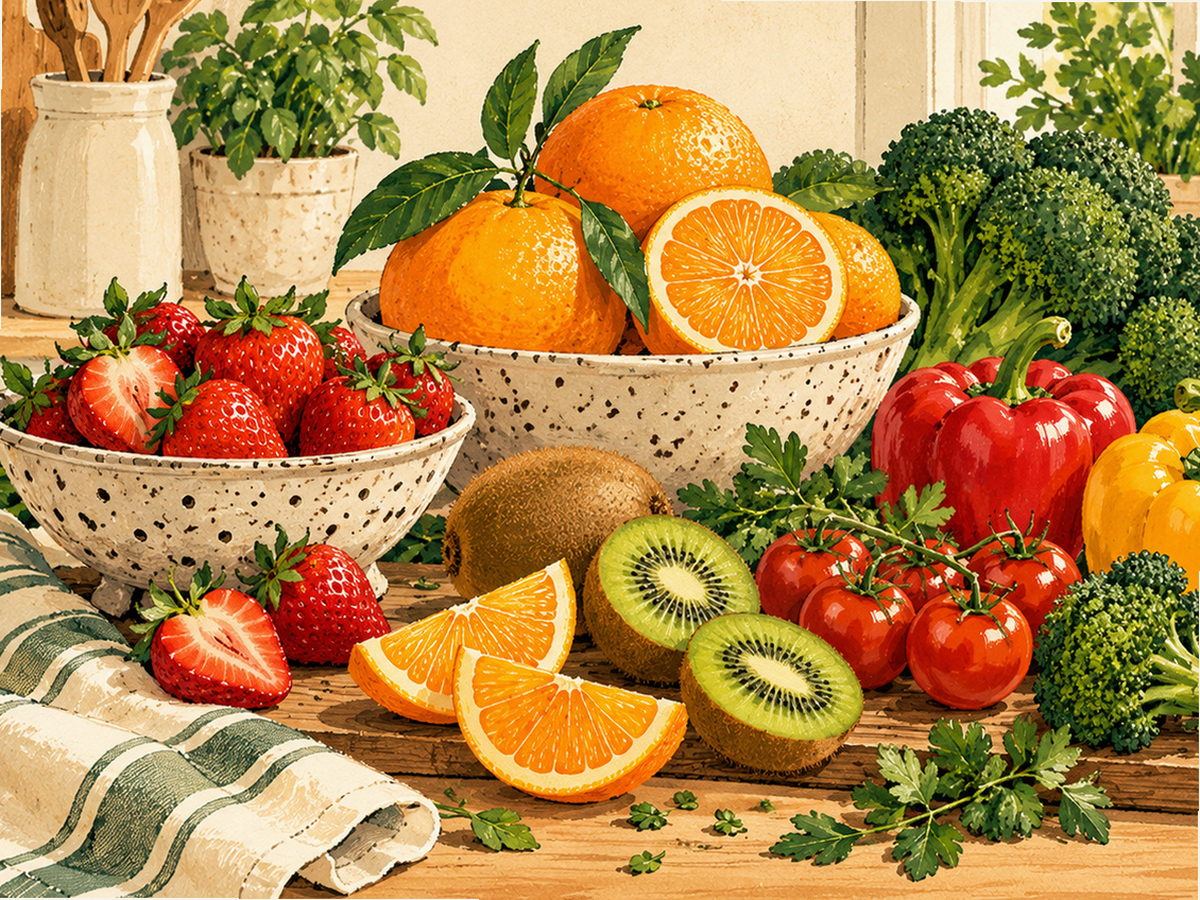
At the grocery store
Foods and patterns worth understanding
The strongest evidence supports overall food patterns built from mostly minimally processed foods.

Vegetables and fruits
A wide variety contributes fiber, potassium, and other nutrients.

Whole grains and fiber
Oats, barley, brown rice, and other whole grains can help increase fiber intake.

Unsaturated fats
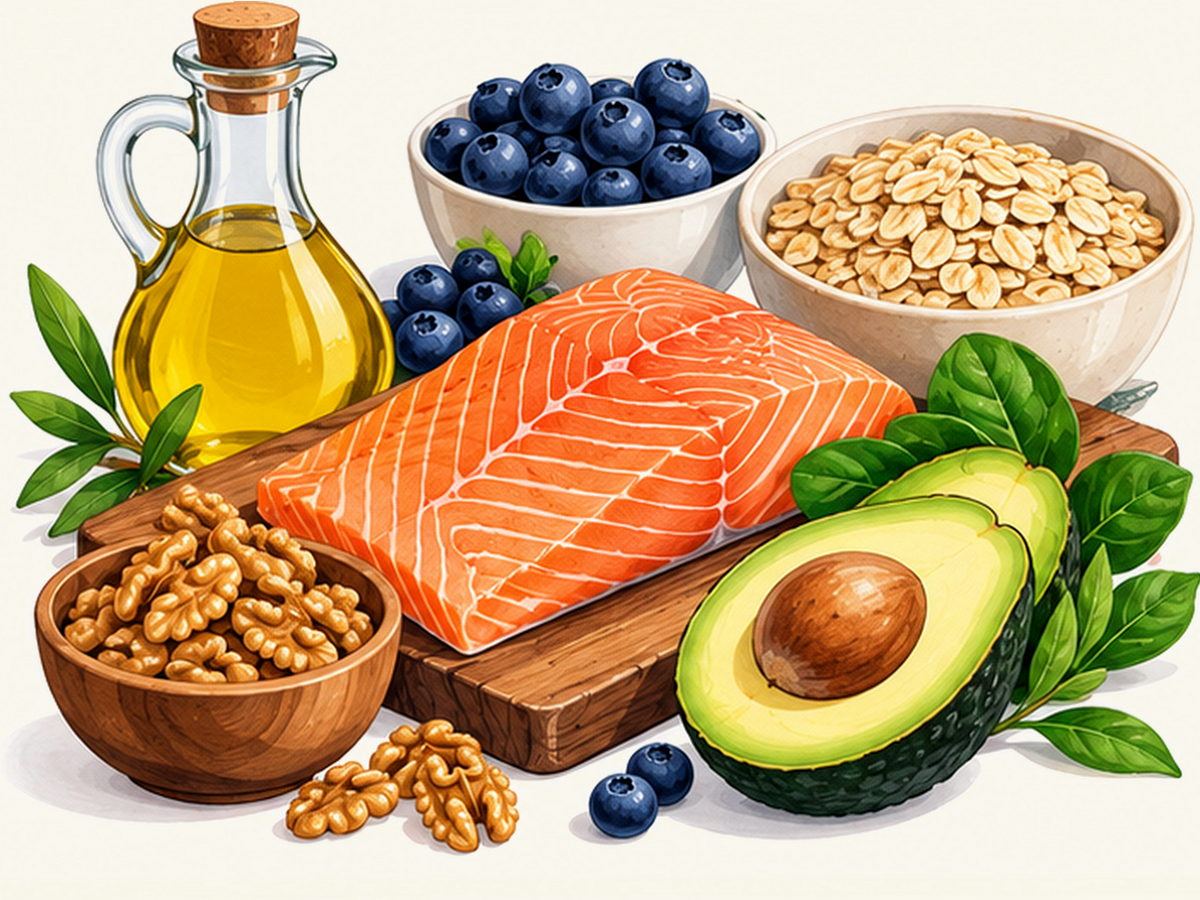
Olive oil, avocado, nuts, seeds, and fish can replace foods high in saturated fat.
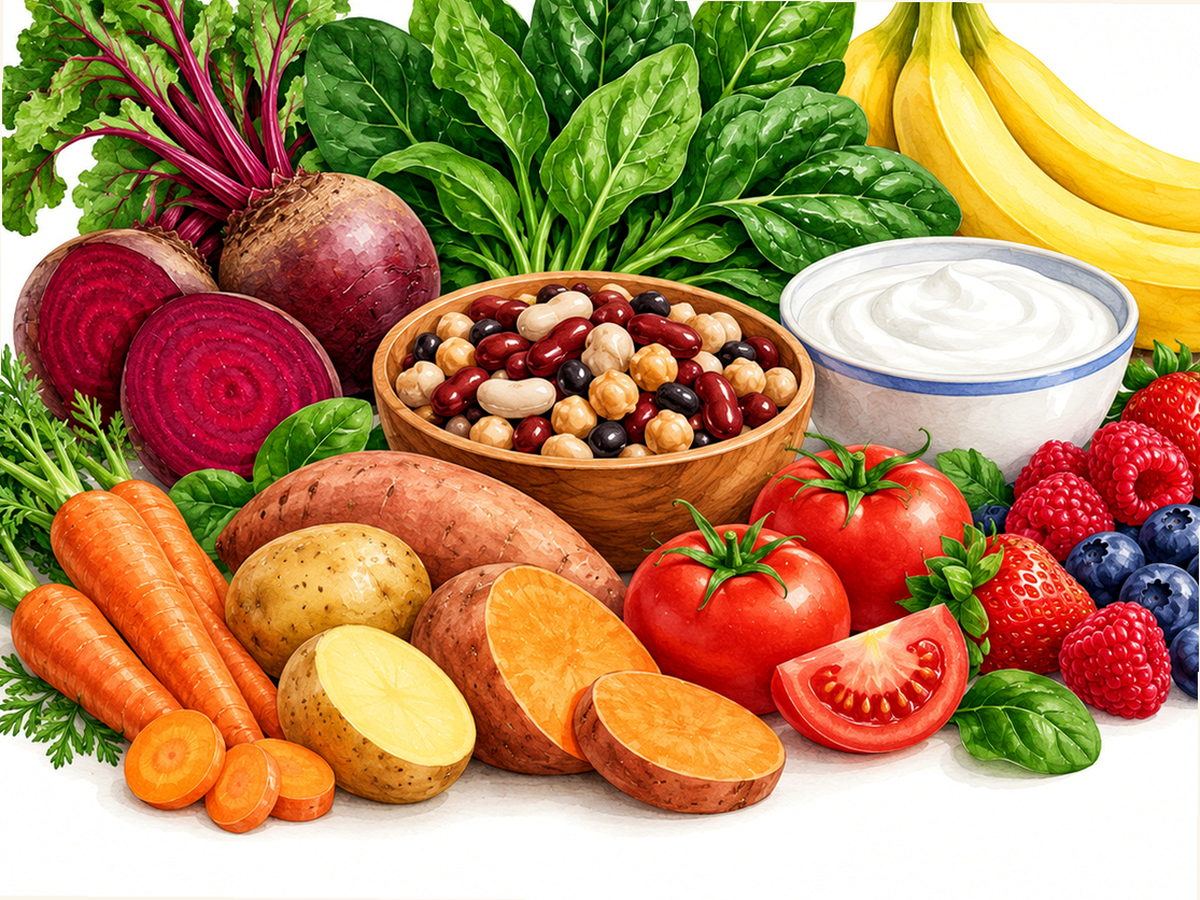
Beans and legumes
Beans, lentils, and peas provide plant protein and fiber.
Fruit instead of added sugar
Whole fruit can add sweetness along with fiber and micronutrients.
In the kitchen
What this can look like in a meal
These familiar meal ideas illustrate food patterns, not a prescribed diet or a required portion size. The right choices depend on the person and their circumstances.

Overnight oats with berries and nuts
Whole grains, fruit, and unsaturated fat in an easy breakfast.
Grilled chicken salad with beans
Vegetables plus lean protein and a fiber-rich plant food.
Baked salmon with roasted vegetables
Fish, vegetables, and an unsaturated-fat cooking pattern.
Apple slices with unsalted nuts
A simple snack combining whole fruit and unsaturated fat.
Looking for more cooking ideas? Explore public recipes on The Fuel Board.
What the evidence shows
What research tells us
The American Heart Association emphasizes dietary patterns rather than isolated nutrients. A heart-healthy pattern includes a variety of vegetables and fruits, mostly whole grains, healthy protein sources, and unsaturated fats in place of saturated fats.
Lower sodium intake can be important for blood pressure, while soluble fiber and replacing saturated fats with unsaturated fats can help improve LDL cholesterol. The appropriate targets still depend on the individual.
Individual needs matter
When more personal guidance helps
If you have heart failure, kidney disease, diabetes, difficulty swallowing, an anticoagulant prescription, or a specific sodium or fluid limit, generic heart-health advice may not be enough.
Medication remains important when prescribed. Food choices should complement, not replace, treatment recommended by your healthcare team.
Learn from the source