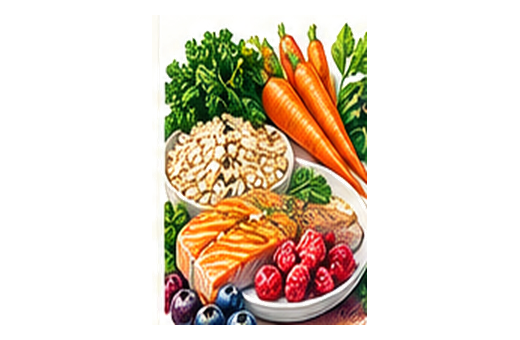

A practical place to start
Understanding Chronic Constipation
Fiber and fluids can help many people with constipation, but constipation has many causes. More fiber is not always the right answer when there is severe pain, vomiting, bowel obstruction, pelvic-floor dysfunction, or another medical problem.
Constipation can include infrequent bowel movements, hard or difficult-to-pass stool, straining, or a feeling of incomplete emptying. Chronic constipation lasts over time and may be related to diet, medicines, activity, pelvic-floor function, neurologic conditions, endocrine conditions, or other causes.
A change in bowel habits that persists or occurs with blood in stool, significant pain, vomiting, fever, anemia, or unexplained weight loss needs medical evaluation.
At the grocery store
Foods and patterns worth understanding
These foods and eating approaches are discussed in current guidance or research. Their role can vary with individual needs, symptoms, laboratory results, medications, and treatment.

Whole grains
Oats, whole-wheat products, barley, and other whole grains can increase fiber.

Beans and lentils
Legumes are concentrated fiber sources and can be increased gradually.

Fruits
Pears, berries, oranges, kiwi, and other fruits contribute fiber and fluid.
Vegetables
Broccoli, peas, carrots, greens, and other vegetables can build daily fiber intake.
Fluids
Water and other appropriate fluids help support stool softness and hydration.
In the kitchen
What this can look like in a meal
These familiar meal ideas illustrate food patterns, not a prescribed diet or a required portion size. The right choices depend on the person and their circumstances.

Oatmeal with Pear & Berries
Whole grain plus fruit for a fiber-rich breakfast.
Lentil Vegetable Soup
Legumes and vegetables with whole-grain bread.
Bean & Brown Rice Bowl
Beans, whole grain, vegetables, and avocado.
Yogurt, Fruit & Oat Snack
Use dairy or a fortified alternative based on tolerance.
Looking for more cooking ideas? Explore public recipes on The Fuel Board.
What the evidence shows
What research tells us
NIDDK recommends adequate fiber and fluids for many people with constipation. Adults generally need about 22 to 34 grams of fiber per day depending on age and sex, and fiber is best increased gradually.
Fluid helps fiber work effectively, but there is no single fluid target for everyone. Kidney, heart, and other medical conditions can change appropriate fluid intake.
Individual needs matter
When more personal guidance helps
Increase fiber in steps rather than all at once, especially if you tend to have gas or bloating. Some people need specific treatment beyond diet.
Do not aggressively increase fiber when there is severe abdominal pain, vomiting, suspected obstruction, or a clinician has instructed you to follow a low-fiber plan.
Learn from the source