

A practical place to start
Understanding Irritable Bowel Syndrome (IBS)
IBS is highly individual. Fiber, meal pattern, and certain fermentable carbohydrates can affect symptoms, but the best approach depends on whether constipation, diarrhea, bloating, pain, or mixed symptoms are most important.
IBS is a disorder of gut-brain interaction that causes recurrent abdominal pain along with changes in bowel habits. It does not cause the same intestinal damage seen in inflammatory bowel disease or celiac disease, but symptoms can significantly affect daily life.
Food can influence symptoms without being the sole cause. Stress, sleep, hormones, medications, infections, and the gut-brain connection can also affect symptom patterns.
At the grocery store
Foods and patterns worth understanding
These foods and eating approaches are discussed in current guidance or research. Their role can vary with individual needs, symptoms, laboratory results, medications, and treatment.

Soluble-fiber foods
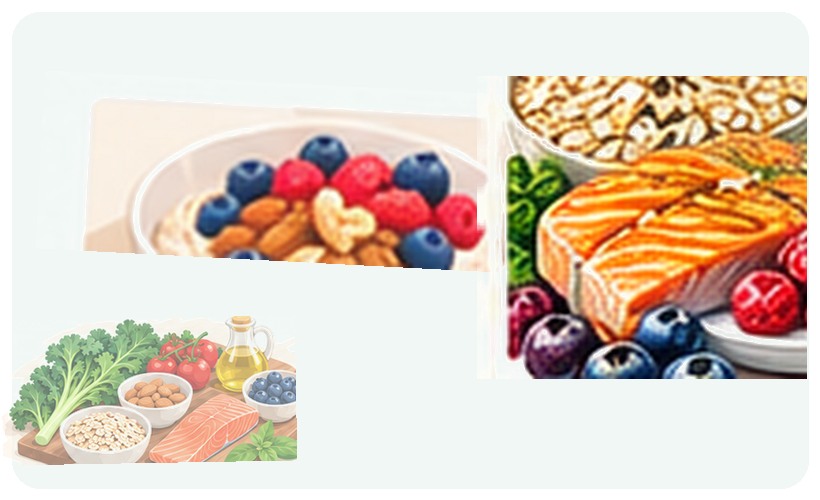
Oats, chia, some fruits, and other soluble-fiber sources may be useful depending on symptom pattern and tolerance.

Protein foods
Fish, poultry, eggs, tofu if tolerated, and other simple proteins can be paired with tolerated carbohydrates and vegetables.

Carbohydrates based on tolerance
Rice, potatoes, oats, bread, fruit, and other carbohydrate foods can be adjusted rather than universally eliminated.
Vegetables in tolerated amounts
Cooked texture, portion size, and specific carbohydrate content can affect tolerance.
Fluids
Adequate hydration is especially relevant when constipation or diarrhea affects fluid balance.
In the kitchen
What this can look like in a meal
These familiar meal ideas illustrate food patterns, not a prescribed diet or a required portion size. The right choices depend on the person and their circumstances.

Oatmeal with Blueberries
A simple soluble-fiber breakfast with optional lactose-free milk or fortified alternative.
Chicken, Rice & Carrot Bowl
Lean protein with rice and cooked vegetables.
Salmon, Potato & Zucchini
A simple mixed meal with easily adjusted portions.
Egg & Spinach Rice Bowl
Eggs, rice, and cooked greens, modified to personal tolerance.
Looking for more cooking ideas? Explore public recipes on The Fuel Board.
What the evidence shows
What research tells us
NIDDK notes that soluble fiber may be more helpful than insoluble fiber for overall IBS symptoms, particularly when constipation is present. Fiber is usually increased gradually because a sudden increase can worsen gas and bloating.
A low-FODMAP diet may reduce symptoms for some people, but it is intended as a short structured trial followed by reintroduction and personalization—not a permanent maximum-restriction diet. Dietitian support can help protect nutritional adequacy.

Individual needs matter
When more personal guidance helps
Before making a long-term gluten-free diet part of IBS care, ask whether celiac testing is appropriate; starting gluten avoidance before testing can affect diagnostic results.
Blood in stool, persistent fever, unexplained weight loss, anemia, nighttime symptoms, or new symptoms later in life require medical evaluation and should not be assumed to be IBS.
Learn from the source