
A practical place to start
Understanding Prediabetes
Prediabetes means blood glucose is higher than normal but not in the diabetes range. Food, activity, sleep, weight changes when appropriate, and other risk factors can influence progression, but there is no single required “prediabetes diet.”
Prediabetes is identified through blood glucose testing such as A1C, fasting glucose, or an oral glucose tolerance test. It increases the risk of developing type 2 diabetes and is also associated with higher cardiovascular risk.
Not everyone with prediabetes progresses to diabetes. Risk varies with genetics, age, body composition, activity, medications, sleep, pregnancy history, and other health factors.
At the grocery store
Foods and patterns worth understanding
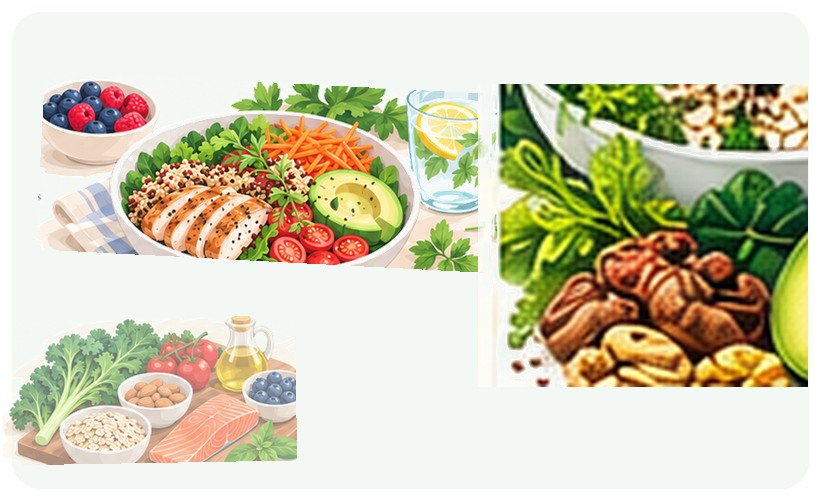
These foods and eating approaches are discussed in current guidance or research. Their role can vary with individual needs, symptoms, laboratory results, medications, and treatment.

Nonstarchy vegetables
Leafy greens, peppers, broccoli, zucchini, green beans, and similar vegetables can anchor meals.

Whole grains and legumes
Beans, lentils, oats, brown rice, quinoa, and other high-fiber carbohydrate sources can replace refined grains.

Whole fruits
Fruit provides carbohydrate along with fiber and micronutrients; whole fruit generally has a different effect than juice or sugary drinks.
Protein foods
Fish, poultry, eggs, beans, lentils, yogurt, nuts, and seeds can help create balanced meals.
Water and unsweetened drinks
Replacing sugar-sweetened drinks is one of the clearest ways to reduce added sugar intake.
In the kitchen
What this can look like in a meal
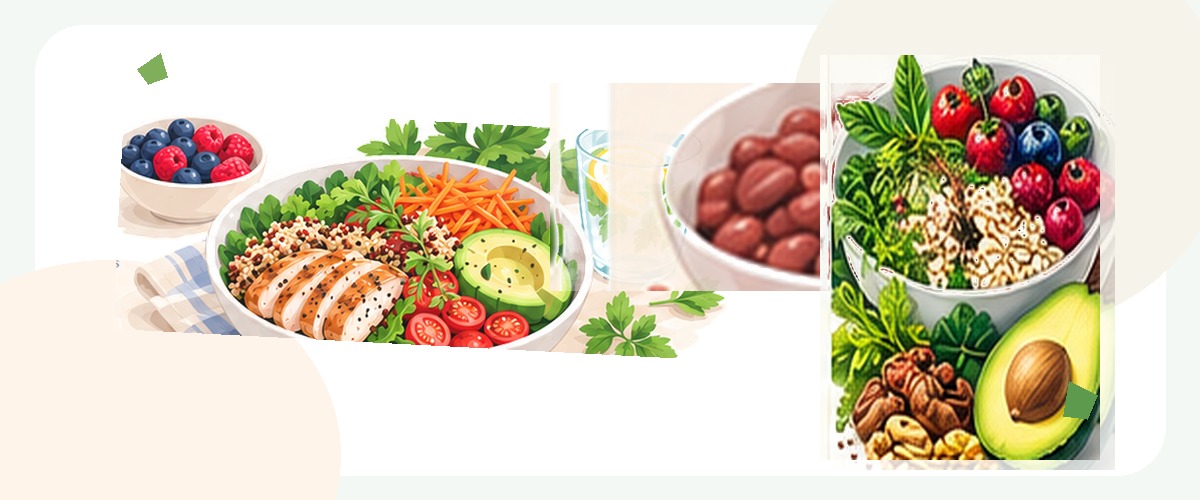
These familiar meal ideas illustrate food patterns, not a prescribed diet or a required portion size. The right choices depend on the person and their circumstances.

Chicken & Bean Vegetable Bowl
Vegetables, chicken or beans, whole grain, and avocado.
Egg & Vegetable Breakfast
Eggs with vegetables, whole-grain toast or potato, and fruit.
Salmon with Brown Rice & Broccoli
Protein, high-fiber carbohydrate, and vegetables in one meal.
Oatmeal with Berries & Nuts
Oats topped with berries and nuts or seeds.
Looking for more cooking ideas? Explore public recipes on The Fuel Board.
What the evidence shows
What research tells us
The ADA’s 2026 Standards of Care state that there is no ideal percentage of carbohydrate, protein, and fat for diabetes prevention. Appropriate eating patterns can include Mediterranean-style, plant-forward, DASH, and lower-carbohydrate approaches, with emphasis on overall food quality.
For people with overweight or obesity, structured lifestyle programs modeled on the Diabetes Prevention Program can reduce diabetes risk. Weight loss is not the only target; regular activity, higher-quality foods, and sustained behavior change also matter.
Individual needs matter
When more personal guidance helps
Ask about individualized risk and how often glucose should be rechecked. Some people are also candidates for medication based on age, body size, pregnancy history, or other risk factors.
If you have symptoms of high blood glucose or values in the diabetes range, seek medical evaluation rather than trying to self-treat with diet alone.
Learn from the source