
A practical place to start
Understanding Steatosis
Steatosis means fat has accumulated in the liver. When this is related to metabolic dysfunction, the condition is now commonly called metabolic dysfunction-associated steatotic liver disease (MASLD), previously known as nonalcoholic fatty liver disease (NAFLD). Nutrition and physical activity are important parts of management.
MASLD can range from excess liver fat without major inflammation to metabolic dysfunction-associated steatohepatitis (MASH), which can involve inflammation and scarring. Diabetes, higher body weight, high triglycerides, high blood pressure, and other metabolic factors often occur alongside it.
Liver disease can also have other causes, including alcohol, medications, viral hepatitis, and genetic conditions, so diagnosis and follow-up matter.
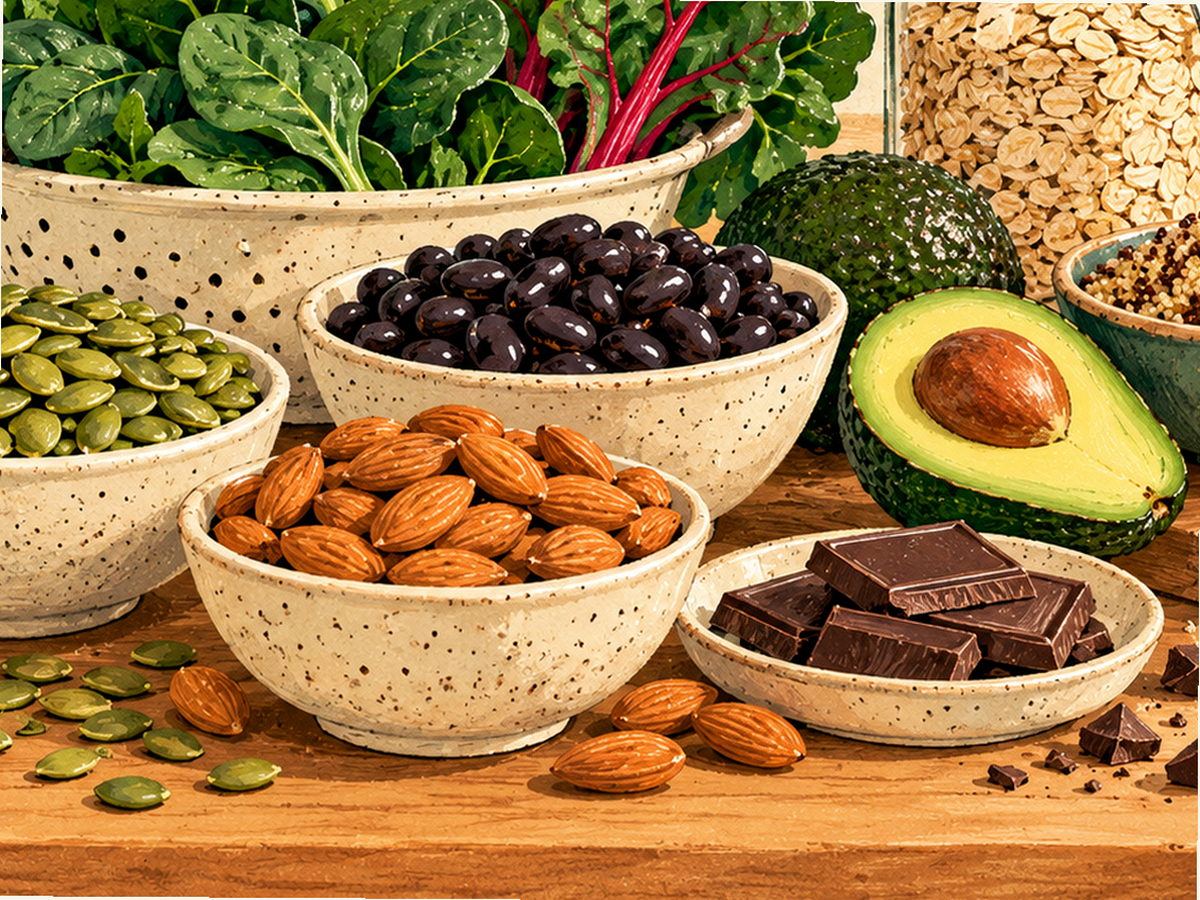
At the grocery store
Foods and patterns worth understanding
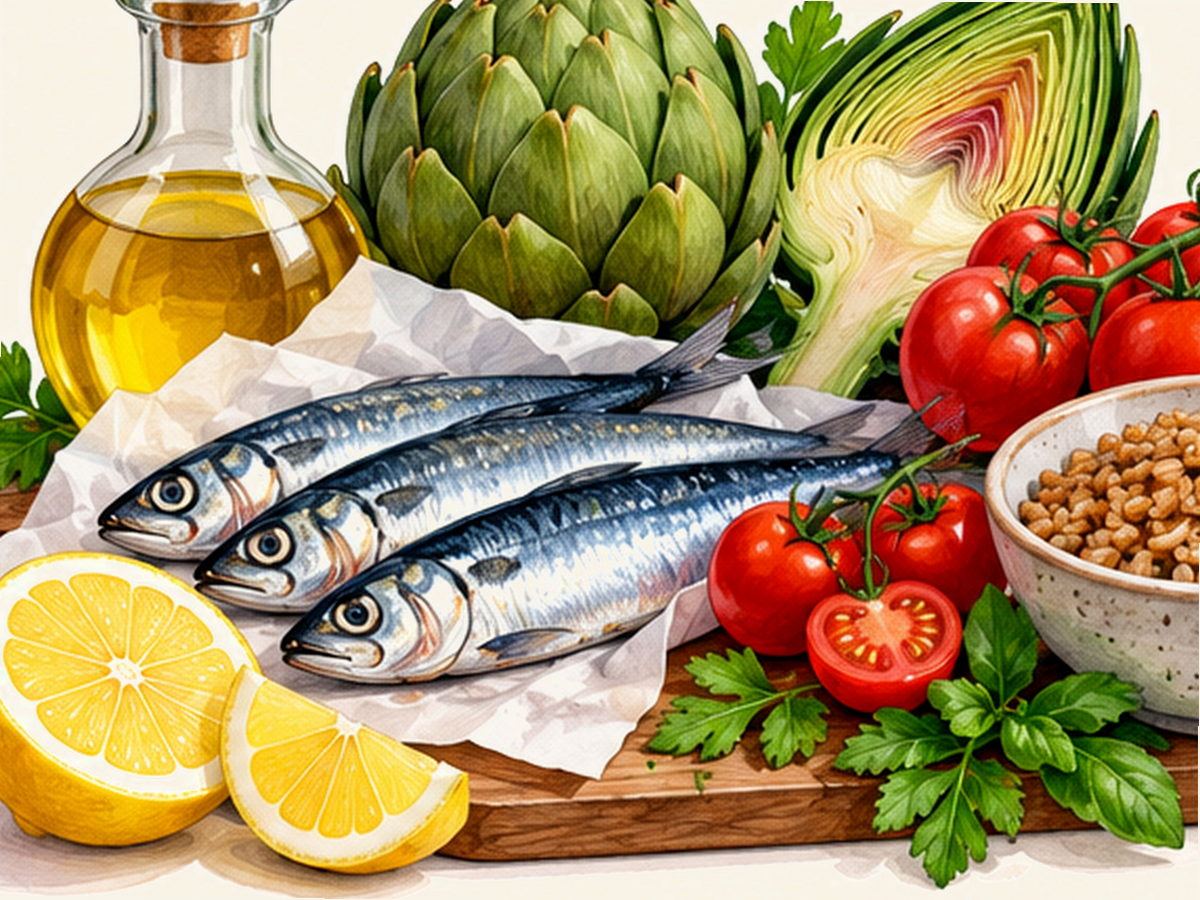
A Mediterranean-style pattern is commonly used as a practical model because it emphasizes minimally processed plant foods and unsaturated fats.

Vegetables and fruit
A varied produce intake supports fiber and overall diet quality.

Whole grains and fiber
Whole grains can replace refined grains and increase fiber intake.

Unsaturated fats
Olive oil, fish, nuts, seeds, and avocado can replace some saturated-fat sources.
Beans and legumes
Legumes provide plant protein and fiber.
Limit sugary drinks
Water and unsweetened beverages can replace drinks high in added sugar or fructose.
In the kitchen
What this can look like in a meal
These familiar meal ideas illustrate food patterns, not a prescribed diet or a required portion size. The right choices depend on the person and their circumstances.

Oats with berries and nuts
Whole grains, fruit, and unsaturated fat in a simple breakfast.
Chicken and vegetable grain bowl
A Mediterranean-style pattern with vegetables, protein, and whole grains.
Salmon with roasted vegetables
Fish and vegetables prepared with unsaturated fat.
Fruit and nuts
A minimally processed snack without added sugar.
Looking for more cooking ideas? Explore public recipes on The Fuel Board.
What the evidence shows
What research tells us
For people with MASLD who have overweight or obesity, gradual weight loss can reduce liver fat and may improve inflammation or fibrosis. Healthy eating patterns and physical activity are recommended even when weight loss is not the only goal.
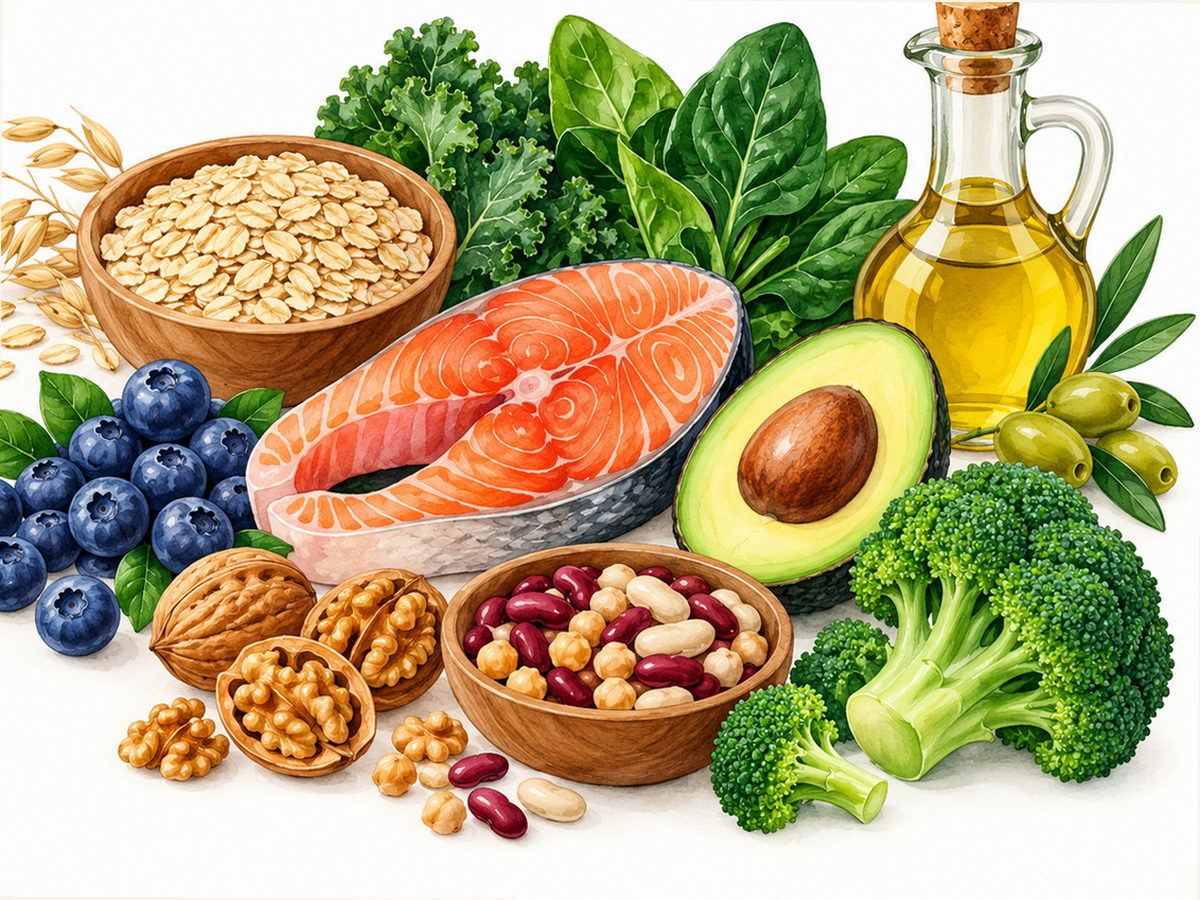
Guidance commonly emphasizes vegetables, fruit, whole grains, legumes, fish, and unsaturated fats while limiting large amounts of added sugar, especially sugar-sweetened beverages, and replacing saturated fats with unsaturated fats.
Individual needs matter
When more personal guidance helps
Liver enzyme results, fibrosis risk, diabetes, cholesterol, alcohol use, medications, and other liver conditions can change the care plan.
Rapid weight loss is not recommended as a do-it-yourself treatment. If weight loss is advised, gradual and medically appropriate strategies are preferred.
Learn from the source