

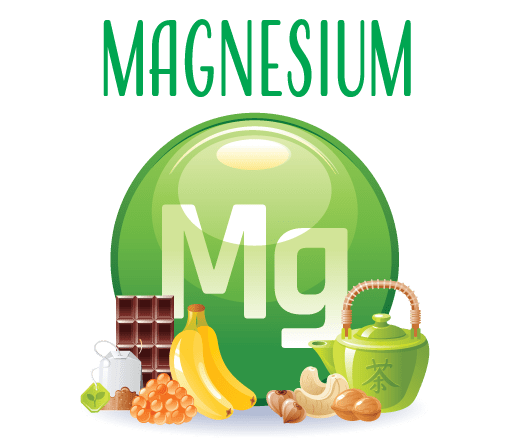
Diet Rich in Magnesium Can Support How Your Body Feels Every Day
Magnesium isn’t just another nutrient to track—it’s one your body relies on daily.
And most people aren’t getting enough.
Not because they’re doing something wrong…
but because modern eating patterns don’t consistently include the foods that supply it.
The result?
You may feel it as:
- low energy
- restless sleep
- muscle tension
- feeling wired but tired
The good news is—you don’t need to overhaul your entire diet.
You just need to start including the right foods more consistently.
Why Magnesium Intake Matters More Than You Think
Magnesium supports your body in ways you actually feel:
- Helps your nervous system settle
- Supports muscle relaxation
- Plays a role in steady energy levels
- Helps your body respond to stress
- Supports sleep and recovery
When your intake is inconsistent, your body feels the gaps.
This isn’t about hitting a perfect number.
It’s about building a steady rhythm your body can rely on.
Recommended Daily Intake (Simple, Not Overwhelming)
Most adults need roughly:
- 400–420 mg/day (men)
- 310–320 mg/day (women)
Pregnant or breastfeeding women may need slightly more.
But here’s what matters more than numbers:
👉 You don’t need to track perfectly—you need to eat consistently.
Some of the Best Food Sources Include:

RED MEAT

WHITE MEAT