
A practical place to start
Understanding Diverticulitis
Diet advice for diverticular disease depends on whether someone is having an acute episode or is well between episodes. Long-term guidance often emphasizes fiber, while an acute flare may require temporary changes directed by a healthcare professional.
Diverticulosis means small pouches have formed in the colon wall. Diverticulitis occurs when one or more of those pouches become inflamed. Symptoms can include abdominal pain, fever, nausea, and changes in bowel habits.
Acute diverticulitis can occasionally cause complications such as abscess, perforation, obstruction, or fistula, so significant symptoms require medical evaluation.
At the grocery store
Foods and patterns worth understanding
Between episodes, the evidence commonly focuses on fiber-rich foods and gradual increases that are tolerated well.

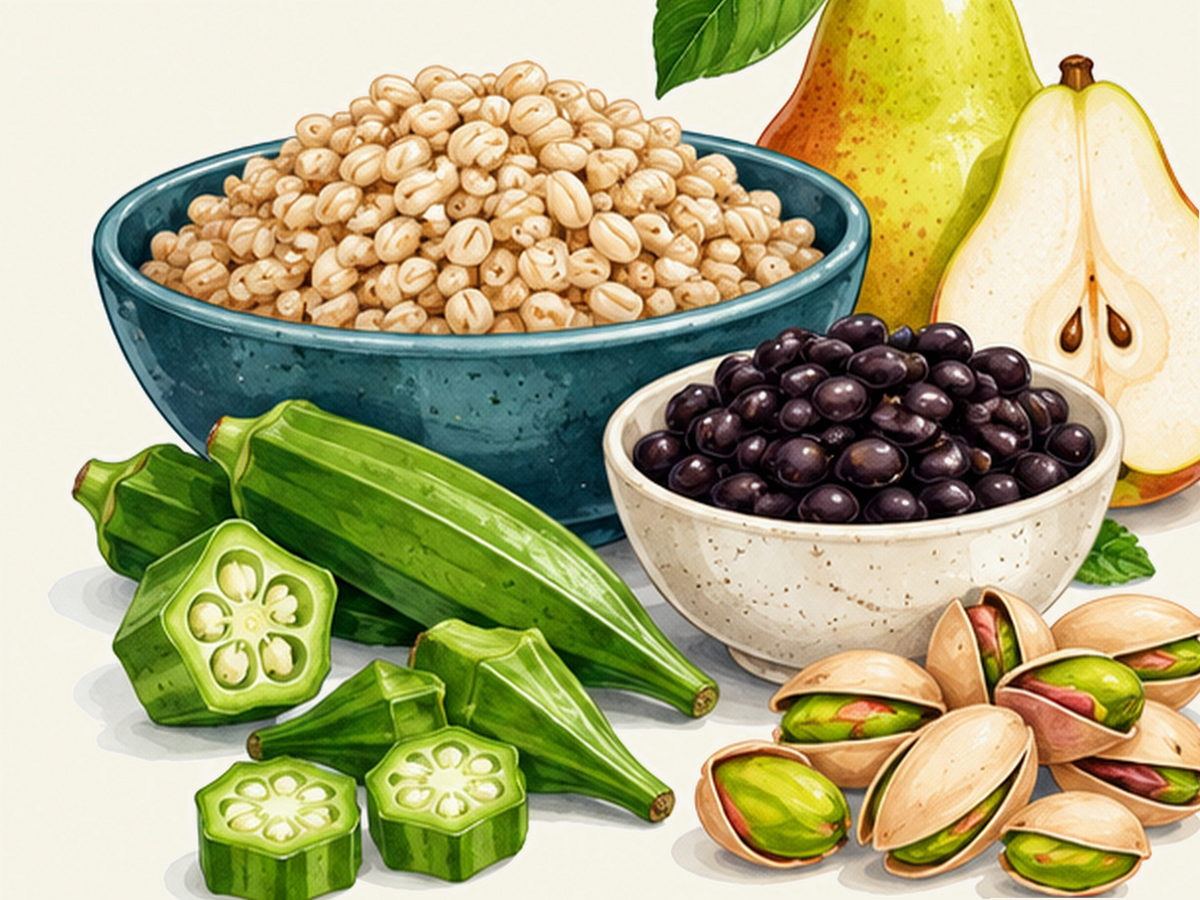
Whole grains and fiber
Oats, whole-grain breads, brown rice, and other grains can help increase fiber over time.

Beans and lentils
Legumes are concentrated sources of fiber when tolerated.

Vegetables
Cooked or raw vegetables can contribute fiber depending on tolerance and stage of recovery.
Whole fruit
Berries, pears, apples, and other fruit can add fiber and fluid.
Adequate fluids
Fluid needs vary, but hydration is often important when fiber intake increases.
In the kitchen
What this can look like in a meal
These familiar meal ideas illustrate food patterns, not a prescribed diet or a required portion size. The right choices depend on the person and their circumstances.

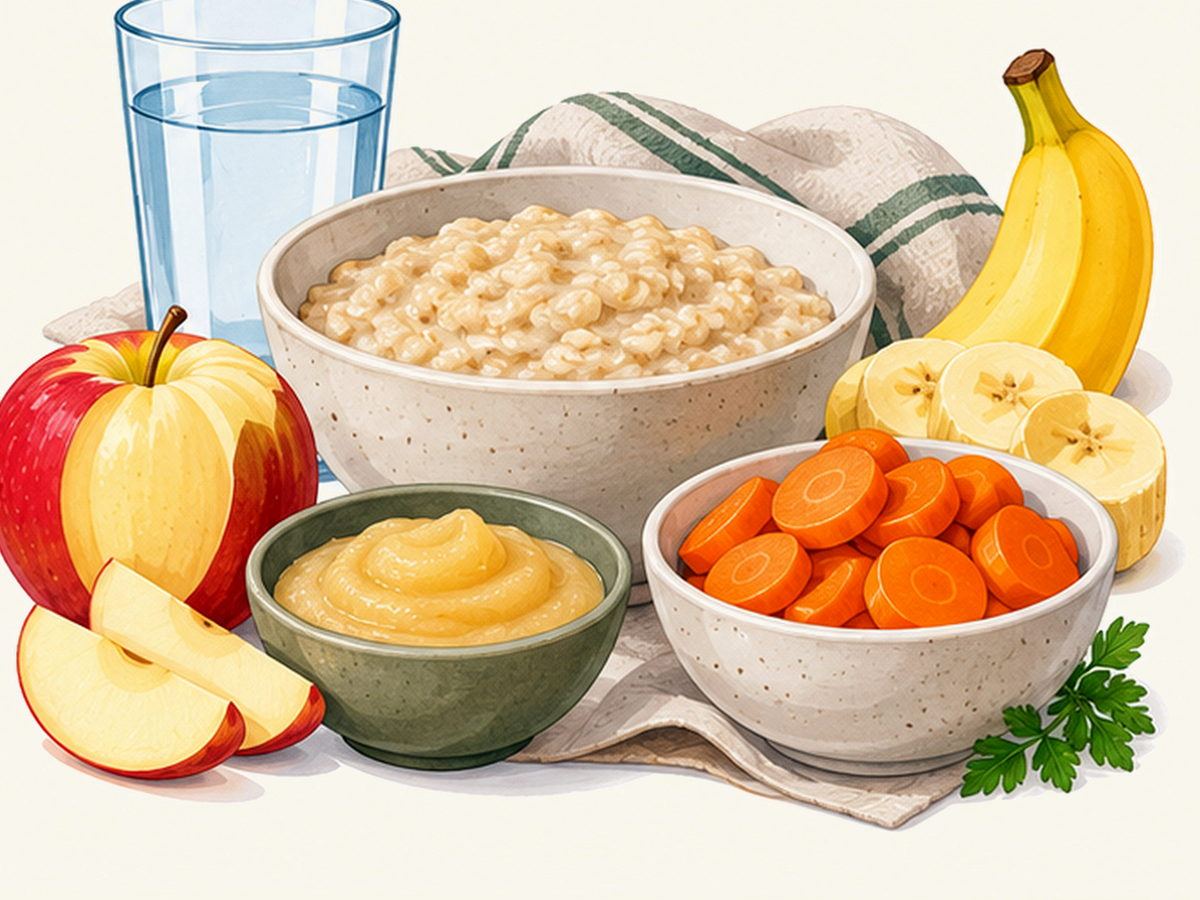
Oatmeal with soft fruit
A gradual, practical way to add soluble and insoluble fiber after recovery if tolerated.
Chicken and cooked vegetable bowl
A flexible meal that can be adjusted to current tolerance.
Salmon, potatoes, and cooked greens
A simple meal with protein and vegetables.
Lentil soup with fruit
A higher-fiber meal for times when legumes are well tolerated.
Looking for more cooking ideas? Explore public recipes on The Fuel Board.
What the evidence shows
What research tells us
After recovery from an acute episode, professional guidance supports a high-quality eating pattern with fiber-rich foods for many people. The old advice to routinely avoid nuts, seeds, and popcorn is not supported.
During acute uncomplicated diverticulitis, diet may be temporarily modified and advanced as symptoms improve. The right approach depends on severity, tolerance, and the treatment plan provided by a clinician.
Individual needs matter
When more personal guidance helps
Do not use a high-fiber plan as a substitute for care during a suspected acute flare. New severe abdominal pain, fever, persistent vomiting, rectal bleeding, or worsening symptoms should be evaluated promptly.
After an episode, a clinician or dietitian can help decide when and how to return to a usual higher-fiber eating pattern.
Learn from the source