
A practical place to start
Understanding Menopause
Menopause marks the end of menstrual periods and is a normal life stage, not a disease. Lower estrogen after menopause affects bone and is one part of changing cardiovascular and metabolic risk with age. Nutrition can help meet needs for calcium, vitamin D, protein, fiber, and overall diet quality, but there is no special “menopause diet” proven to treat the transition itself.
Menopause is reached after 12 consecutive months without a menstrual period when there is no other cause. The years after that point are postmenopause. The average age in the United States is around the early 50s, but timing varies.
Estrogen levels are much lower after menopause. Bone loss accelerates around the transition, and age-related changes in blood pressure, cholesterol, body composition, and glucose regulation can also become more relevant. These changes do not mean the same thing happens to everyone.
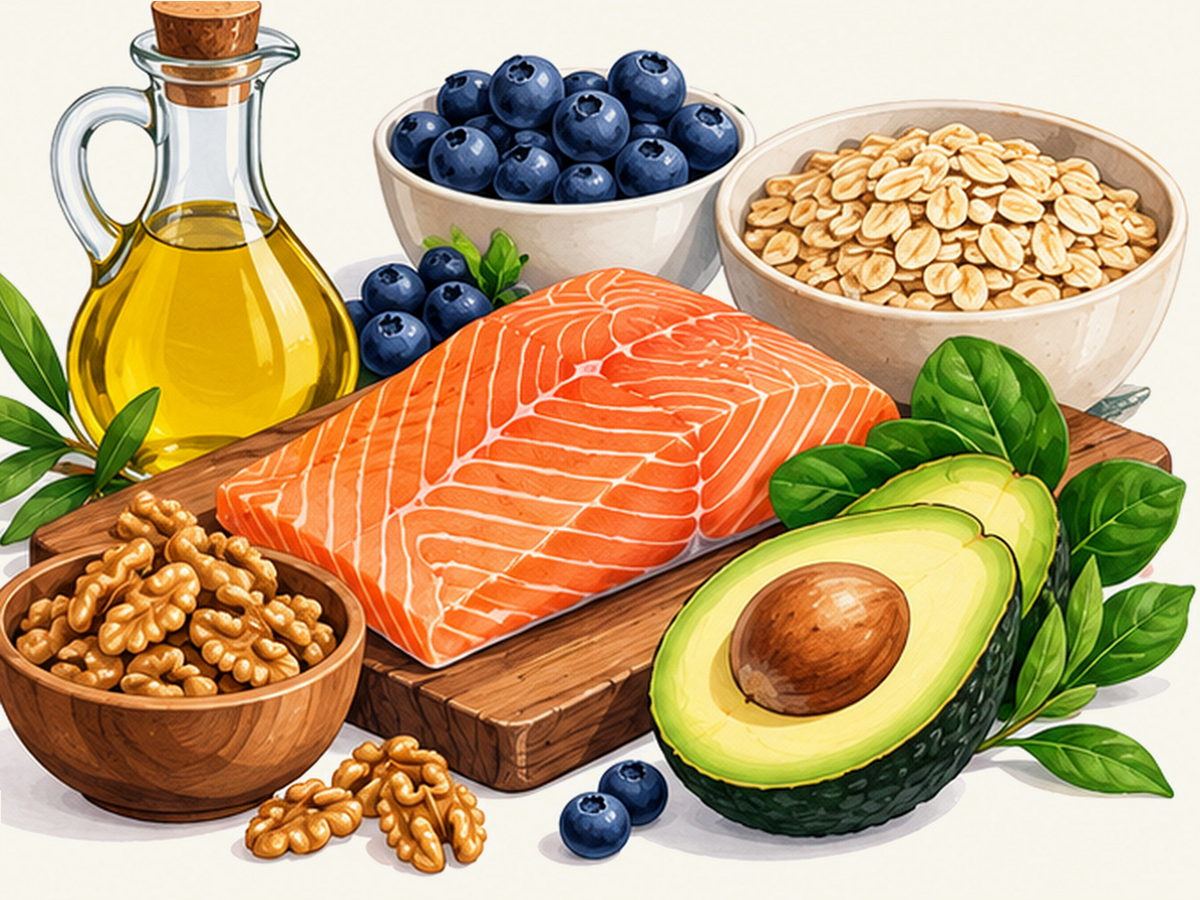
At the grocery store
Foods and patterns worth understanding
The focus is nutrient adequacy and long-term health—not foods marketed as hormone “balancers” or menopause cures.

Calcium-rich foods
Dairy foods, fortified alternatives, calcium-set tofu, and selected greens can contribute calcium for bone health.

Vitamin D sources
Fatty fish, eggs, and fortified foods provide vitamin D; supplement need depends on individual intake, labs, and clinical context.

Protein foods
Fish, poultry, eggs, dairy or alternatives, beans, lentils, nuts, and seeds can help support muscle and overall nutrition.
Fiber-rich foods
Vegetables, fruit, legumes, whole grains, nuts, and seeds fit heart-healthy patterns and help meet fiber needs.
Unsaturated fats
Olive oil, avocado, nuts, seeds, and fish can replace some saturated-fat sources in a heart-healthy pattern.
In the kitchen
What this can look like in a meal
These familiar meal ideas illustrate food patterns, not a prescribed diet or a required portion size. The right choices depend on the person and their circumstances.

Oatmeal with berries, nuts & seeds
Whole grains, fruit, and unsaturated fats in an easy breakfast.
Salmon with vegetables & potatoes
Protein, vegetables, and a familiar starch with a vitamin D-containing food.
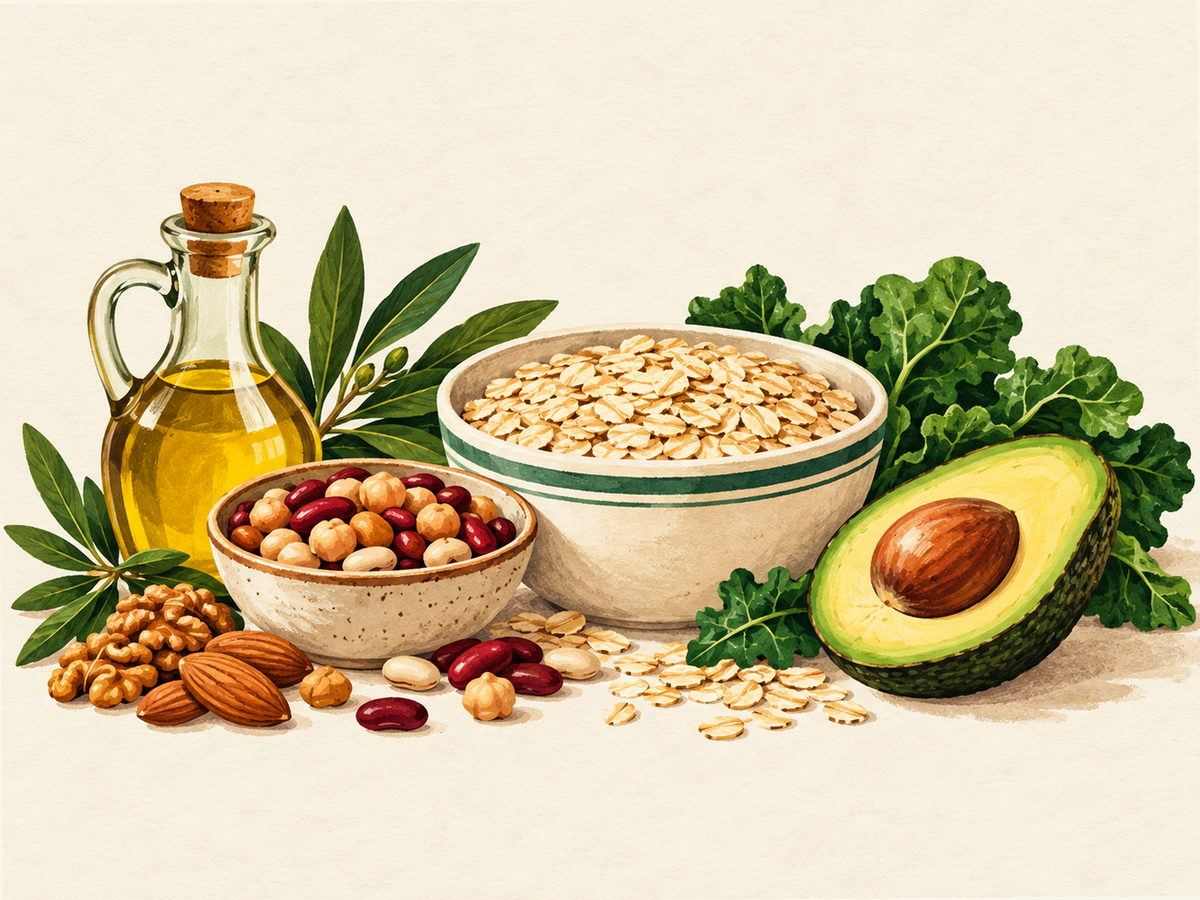
Bean and grain bowl with avocado
Fiber-rich plant foods with protein and unsaturated fat.
Yogurt or fortified alternative with fruit
A simple snack or breakfast that can contribute calcium and protein.
Looking for more cooking ideas? Explore public recipes on The Fuel Board.
What the evidence shows
What research tells us
ACOG and The Menopause Society identify bone health as a major long-term consideration. Calcium and vitamin D are important for bone, while adequate protein and resistance or weight-bearing activity support muscle and bone function.
The 2023 Menopause Society position statement does not support dietary modification, soy foods or extracts, or herbal supplements as proven treatments for hot flashes and night sweats. A generally heart-healthy eating pattern remains useful for overall cardiovascular and metabolic health, but symptom treatment should be based on evidence rather than wellness claims.
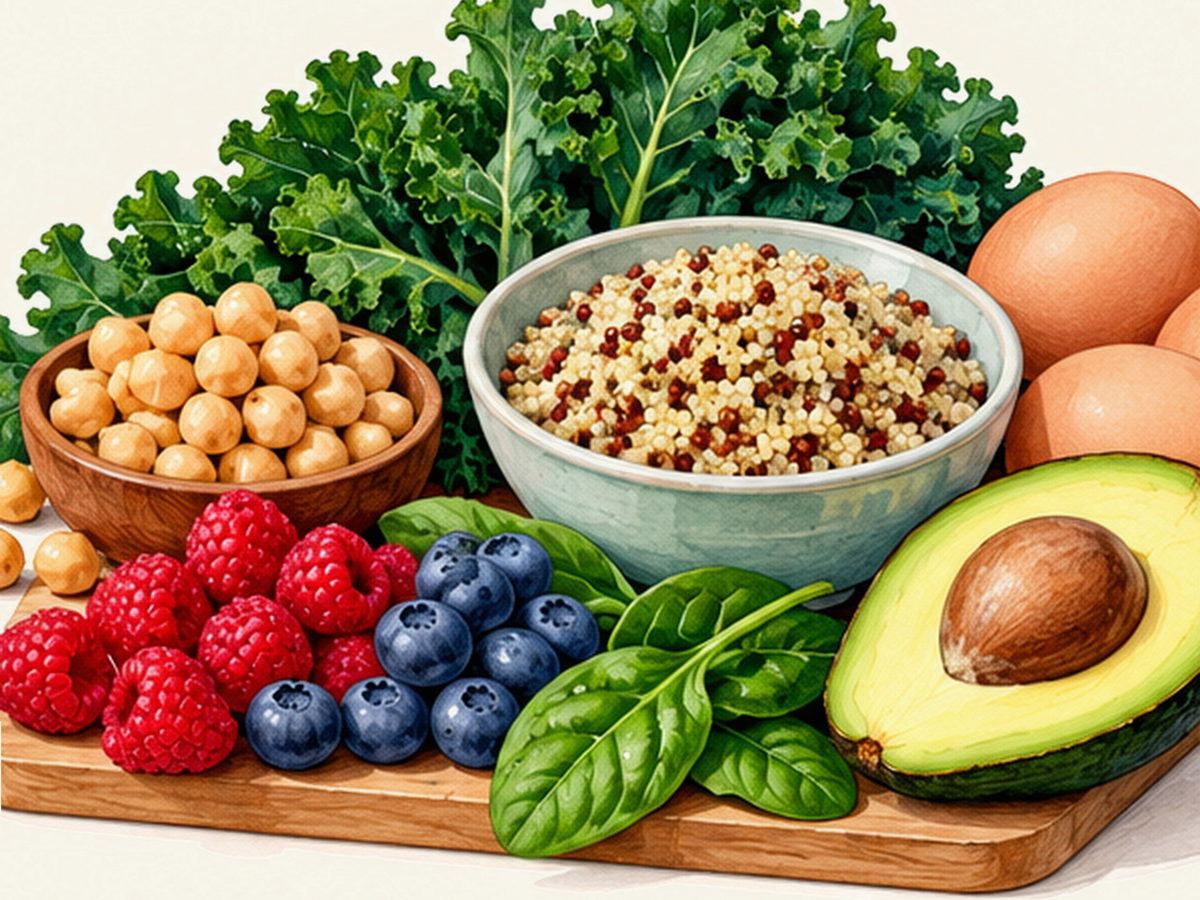
Individual needs matter
When more personal guidance helps
Early menopause, a history of fragility fracture, long-term steroid use, or other osteoporosis risk factors may change bone-health screening and treatment. Nutrition is only one part of fracture prevention.
Hot flashes, sleep problems, vaginal or urinary symptoms, mood changes, or sexual-health concerns that affect quality of life deserve evidence-based care. Hormone therapy and nonhormonal treatments have specific benefits and risks that should be discussed with a qualified clinician.
Learn from the source