

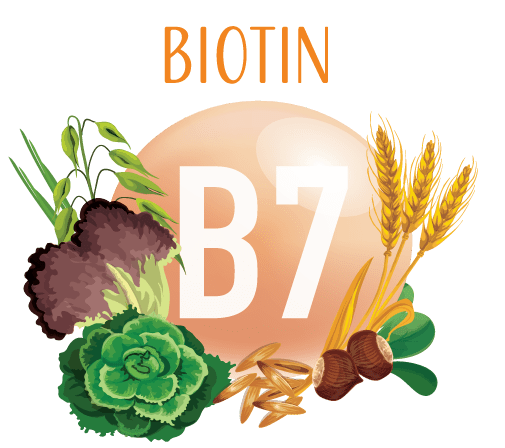
Vitamin B7 (Biotin) Food Sources
This content is provided for educational purposes only and is not intended as medical advice. It does not diagnose, treat, cure, or prevent any condition.
Individual needs can vary. Always consult your licensed healthcare provider before making significant dietary or lifestyle changes.
What It Does, Where to Find It, and How to Use It in Real Life
What Is Biotin?
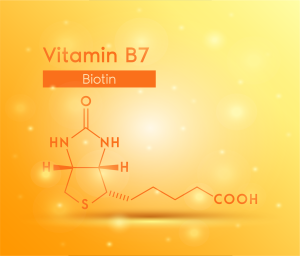
Biotin (vitamin B7) helps your body turn food into energy and supports how your body processes fats, carbohydrates, and proteins.
If you want a deeper understanding of how biotin works in the body:
Read: What Does Biotin Do →
Real Food Sources of Biotin
Cooked eggs (especially the yolk)

beef liver and organ meats

Tuna & Salmon
Nuts and Seeds

Legumes
Sweet Potatoes
Spinach and Leafy Greens
You don’t need all of these every day. What matters most is variety across the week.
How to Use Biotin Foods in Real Life
Instead of thinking in nutrients, think in meals you can repeat throughout the week:
- eggs with spinach for breakfast
- salmon with sweet potatoes for dinner
- nuts or seeds as a simple snack
- legumes added into soups, bowls, or sides
You don’t need perfect meals—just consistent ones.
Turn these foods into a weekly plan (and stop guessing what to eat)
Knowing the foods is helpful. Using them consistently is what supports your body.
FeedMeFood helps you turn this into something you can actually follow.
With full access, you can:
• build a weekly meal plan around foods like these
• automatically generate your grocery list
• track what you already have in your fridge and pantry
• stop wasting food and buying duplicates
Start your plan and get full access →
What Matters Most
Biotin supports your body—but consistency is what makes it work.
You don’t need to focus on one nutrient. You need meals that work together over time.
Focus on:
• building a rhythm you can maintain
• whole foods
• simple combinations
• repeating what works
Why Knowing the Foods Isn’t Always Enough
Most people don’t struggle with what foods are healthy.
They struggle with:
- planning them consistently
- remembering what they bought
- using ingredients before they go bad
- figuring out meals day after day
That’s where things tend to fall apart.