
Source Code Food / Vitamin
Folate
Folate, or vitamin B9, helps your body make DNA and divide cells. It is especially important during periods of rapid growth, including pregnancy.
A good place to start
What is Folate?
Folate coenzymes are used in nucleotide synthesis.
The useful question is where it shows up in ordinary food, what your body uses it for, and which daily-intake guidance actually applies to you.
At a glance
Everyday food sources
Leafy greens · Beans and lentils
Reference example
400 mcg DFE · Adults 19+
How it works
What Folate does
DNA and RNA
Folate coenzymes are used in nucleotide synthesis.
Cell division
Folate is especially important during periods of rapid cell division.
Red blood cells
Adequate folate contributes to normal red-blood-cell formation.
Pregnancy
Folic acid before and during early pregnancy is important for neural-tube development.
The everyday kitchen
Where to find it in food
These familiar foods can contribute Folate. How much they contain depends on serving size, processing, variety, and fortification.
Leafy greens
Beans and lentils
Asparagus
Avocado
Fortified grains
Food quantities vary. For exact amounts, consult USDA FoodData Central or the nutrient-specific NIH reference below.
Dietary reference
How much do you need?
These are established reference amounts for the groups shown—not a personal prescription. Needs may differ by age, pregnancy, breastfeeding, health conditions, and medications.
| Group | Daily reference |
|---|---|
| Adults 19+ | 400 mcg DFE |
RDA = Recommended Dietary Allowance; AI = Adequate Intake. A target for a nutrient isn't a recommendation to take a supplement. For all ages and life stages, see the linked primary reference.
In the kitchen
A familiar place to start
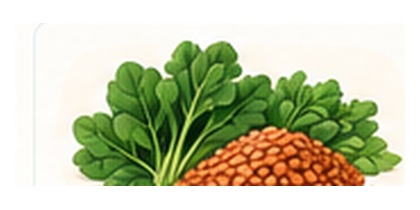
Lentils and leafy greens make a familiar folate-rich combination. People who could become pregnant need specific folic acid guidance beyond this food example.
One ingredient never tells the whole nutrition story. Your overall food pattern and individual needs matter more.
Read a little further
Research & trusted sources
Check the original references for nutrient-specific evidence, food data, special populations, and the distinction between foods and supplements.