

Vision
Retinal, a form of vitamin A, is part of the visual cycle in the eye.
Vitamin A is a fat-soluble vitamin your body uses for vision, normal cell growth, immune function, reproduction, and development.
What it is
Vitamin A is a fat-soluble vitamin your body uses for vision, normal cell growth, immune function, reproduction, and development.
You do not need to memorize a nutrient chart. The useful part is knowing where it shows up in food, roughly how much you need, and what that can look like on an actual plate.
What the body uses it for
Retinal, a form of vitamin A, is part of the visual cycle in the eye.
Vitamin A helps regulate gene expression and normal cell differentiation.
It contributes to normal immune-system function and barrier tissues.
Vitamin A is involved in normal growth, reproduction, and development.
How much you need
Recommended amounts depend on the nutrient, age, sex, and life stage. Some compounds do not have an established Dietary Reference Intake.
Use the authoritative source below for the current RDA, AI, upper limit, or other guidance that applies to Vitamin A.
See current intake guidance →Food sources
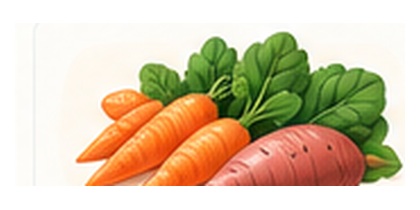
You do not need to memorize this list. These are everyday examples of foods that can contribute Vitamin A. Amounts can change with serving size, variety, preparation, and fortification.
Food composition reference: USDA FoodData Central.
Make it useful
Knowing what is in your food is useful. Knowing what to do with it is better. Pick a food. Find a recipe. See what you already have. Plan the meal. Buy what is missing. Then go eat food.
Ready to make this practical?
Feed Me Food connects your recipes, Pantry, Meal Planner, and Shopping List so you can go from figuring out what to eat to having a plan for the week.
No credit card required. No automatic charge. After 7 days, keep the Full System for $2.99/month or continue with your Free account.
A little context matters
High intakes of preformed vitamin A from supplements can be harmful. Pregnancy requires particular caution with high-dose retinol supplements.
Food and supplements are not the same thing. Supplements can deliver much larger doses. Medications, pregnancy, kidney or liver function, allergies, and other health circumstances can change what is appropriate.
Evidence & trusted sources
Evidence last reviewed: October 2026
Keep exploring