
A practical place to start
Understanding Diabetes
Nutrition is an important part of diabetes care, but there is no single eating pattern that is right for everyone. Food choices, carbohydrate amount and timing, medications, glucose-lowering therapy, activity, kidney health, and personal preferences all affect what is appropriate.
Diabetes is a group of conditions that cause blood glucose to remain too high because the body does not make enough insulin, does not use insulin effectively, or both. Type 1, type 2, and gestational diabetes have different causes and treatment needs.
Food is only one part of diabetes care. Monitoring, medication or insulin, physical activity, sleep, and individualized medical nutrition therapy may also be important.
At the grocery store
Foods and patterns worth understanding
The goal is not to label foods as “good” or “bad,” but to understand how portions, combinations, and overall patterns affect nutrition and glucose management.

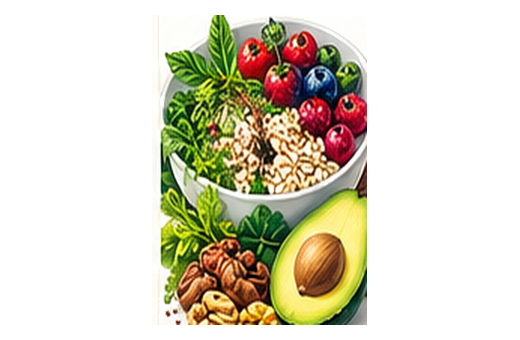
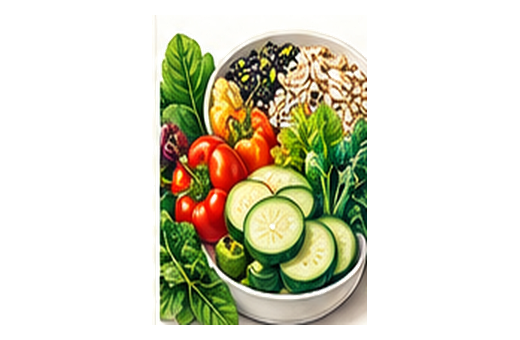
Non-starchy vegetables
Leafy greens, broccoli, peppers, tomatoes, and similar vegetables add volume and fiber.

Whole grains and fiber
Oats, barley, quinoa, and other higher-fiber carbohydrates can fit individualized plans.

Whole fruit
Fruit can fit diabetes meal plans; portion and total carbohydrate still matter.
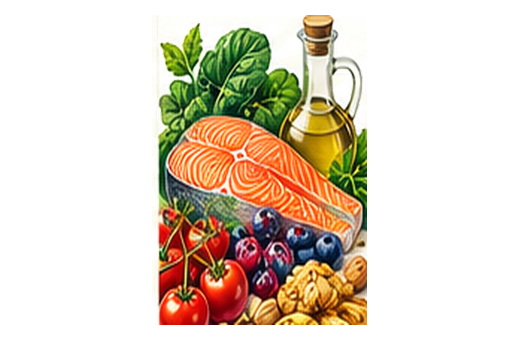
Unsaturated fats
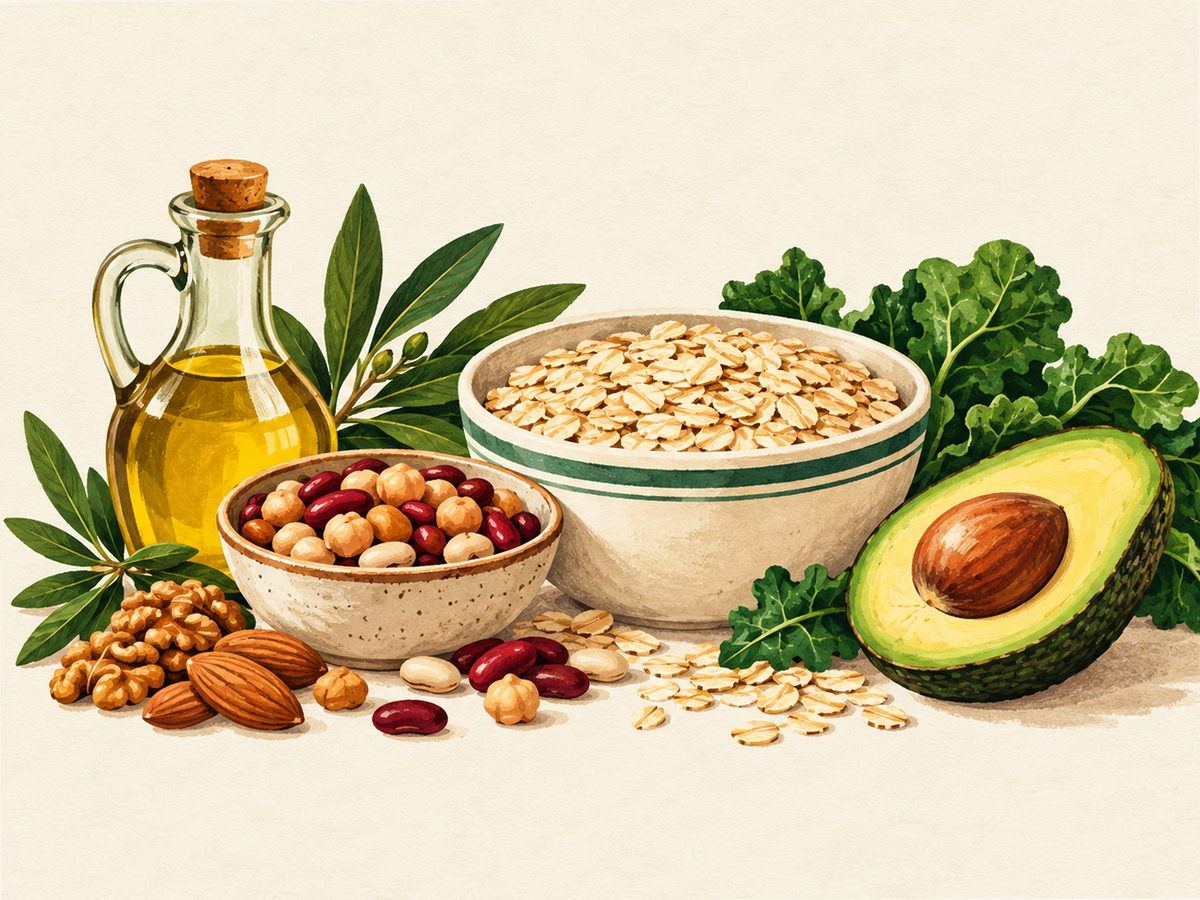
Avocado, nuts, seeds, olive oil, and fish can replace some saturated fat sources.
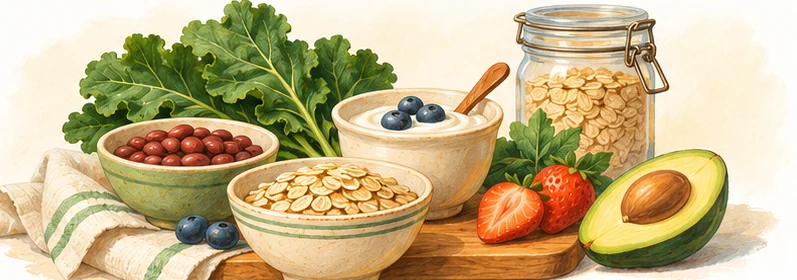
Legumes and plant proteins
Beans and lentils provide carbohydrate together with fiber and protein.
In the kitchen
What this can look like in a meal
These familiar meal ideas illustrate food patterns, not a prescribed diet or a required portion size. The right choices depend on the person and their circumstances.

Berry overnight oats with nuts
A fiber-rich breakfast whose portion can be adjusted to individual carbohydrate needs.
Chicken salad with whole grains
Protein, non-starchy vegetables, and a measured whole-grain portion.
Salmon with roasted vegetables and quinoa
Protein, vegetables, unsaturated fat, and a whole-grain carbohydrate.
Apple slices with nuts
A simple snack combining carbohydrate with fat and some protein.
Looking for more cooking ideas? Explore public recipes on The Fuel Board.
What the evidence shows
What research tells us
The American Diabetes Association recommends individualized nutrition plans. Several eating patterns can work, including Mediterranean-style, lower-carbohydrate, plant-forward, and other approaches when they meet nutritional needs and fit the person.
Fiber-rich foods, minimally processed carbohydrates, adequate protein, and unsaturated fats can fit many diabetes eating patterns. The effect of a meal on glucose depends on portion size, total carbohydrate, fiber, protein, fat, medications, and other factors.
Individual needs matter
When more personal guidance helps
People using insulin or medications that can cause hypoglycemia may need specific guidance on carbohydrate timing, meal skipping, and treatment of low blood glucose.
Kidney disease, pregnancy, gastroparesis, eating disorders, food insecurity, and other circumstances can substantially change nutrition recommendations.
Learn from the source