Back
Back Source Code Food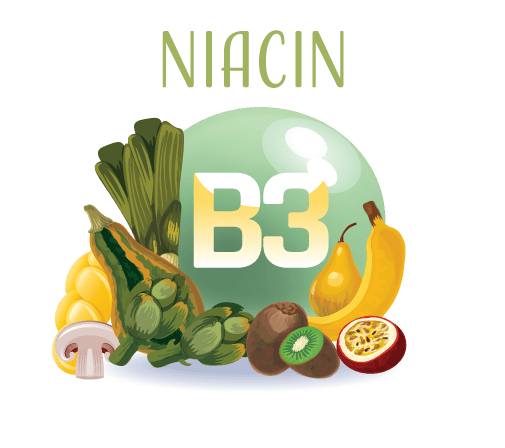
Niacin
VitaminNiacin, also known as vitamin B3, is an essential nutrient that plays a vital role in the proper functioning of our bodies. It acts as a coenzyme in many metabolic processes, including the breakdown of fats, carbohydrates, and proteins. Niacin also produces energy, DNA repair, and hormone regulation.
Niacin aids in bile production by supporting the production of NAD and NADP, coenzymes necessary for many metabolic processes in the liver, including bile synthesis. In addition, niacin helps to reduce inflammation and oxidative stress in the liver, which allows for normal liver function and promotes healthy bile production.
B3 plays a crucial role in nerve function by supporting the production of myelin, the insulating layer that coats nerve fibers and ensures proper transmission of nerve impulses. Myelin also protects nerve fibers from damage and inflammation.
Vitamin B3 benefits heart health by reducing bad cholesterol and increasing good cholesterol, which clears the arteries. It also improves endothelial function and reduces inflammation, reducing the risk of heart attacks and strokes.
B3 plays an essential role in the body’s production of sex hormones. These hormones, including estrogen, testosterone, and progesterone, are crucial for sexual development and reproduction. B3 benefits heart health by reducing bad cholesterol and increasing good cholesterol, which clears the arteries. It also improves endothelial function and reduces inflammation, reducing the risk of heart attacks and strokes.

Niacin boosts digestive enzymes, supports the liver in bile synthesis for fat digestion, and maintains gut bacteria balance. It alleviates digestive disorder symptoms.
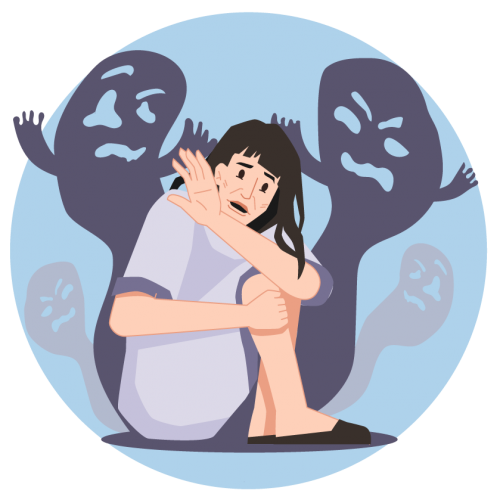
Niacin, also known as vitamin B3, has been researched for its potential to relieve schizophrenia symptoms. This is because it increases the levels of NAD in the brain, enhancing brain function and reducing symptoms. While it may be a promising therapy, it is important to speak to a healthcare provider before making any changes to medication or supplements.
Several studies have suggested that taking niacin supplements may help manage certain neurological conditions, including Alzheimer’s disease, schizophrenia, and bipolar disorder. Additionally, vitamin B3 promotes brain health by enhancing blood flow to the brain and shielding against oxidative stress.

Taking an too much niacin can cause various side effects, including headaches. A sudden increase in blood flow can cause vasodilation, resulting in a warm and flushing sensation in the face, neck, and other body parts. This is known as the “niacin flush,” which typically lasts about 20-30 minutes.

Niacin can lead to fatigue by dilating blood vessels, causing a drop in blood pressure and feelings of lightheadedness, weakness, and fatigue. Niacin overdose can cause severe fatigue, muscle weakness, and exhaustion. Taking niacin on an empty stomach can lead to a sudden drop in blood sugar levels, reducing energy and causing fatigue.

A loss of appetite can also occur due to a deficiency in niacin, which is needed for proper functioning of the gastrointestinal tract. Without niacin, the body may have difficulty digesting food and absorbing nutrients, leading to indigestion.

High doses of niacin can have several adverse effects on the skin. Flushing is a common side effect, where the skin turns red, feels hot, and itches. It occurs because niacin causes vasodilation or widening of the blood vessels, leading to increased blood flow to the skin.
It can also cause skin dryness, irritation, and sensitivity, leading to flaky, itchy, and red skin. In rare cases, high doses of niacin can cause blisters, hives, and rashes.

When niacin is consumed, it can increase the release of histamine, stimulating the brain and making it more difficult to fall asleep. Additionally, niacin can cause flushing, where blood vessels near the skin dilate, causing redness and warmth. This can lead to discomfort and further disrupt sleep.

Diarrhea is a common side effect of niacin supplements, especially when taken in high doses. It occurs when the body tries to flush out the excess niacin that it cannot absorb. While unpleasant, diarrhea usually resolves independently once the body adjusts to the increased niacin intake.

When taken in large doses, Niacin enhances insulin response and can cause low blood sugar levels. This is mainly a concern for those with diabetes or taking medications that lower blood sugar.
A niacin deficiency can have adverse effects on the body, including causing halitosis, loss of appetite, and indigestion. Halitosis, or bad breath, can occur because niacin helps to break down food particles in the mouth that can cause odor.

Did you know that niacin was first discovered in 1937? Researchers observed that a vitamin deficiency caused a condition called pellagra. Pellagra was once a common disease in the southern United States, and its symptoms include dermatitis, diarrhea, and dementia.
During the 1950s, niacin was used as a treatment for schizophrenia. However, this practice has been mostly abandoned due to lack of evidence. Nonetheless, some studies have suggested that niacin may have a positive effect on certain types of psychotic symptoms.

Meat & Protein
Grass-Fed Red Meat

14.2mg per slice
10.3mg per 6oz
9.5mg per 6oz serving
7.6mg per 3oz serving
7mg per 3oz serving
6.6mg per 3oz serving
6.1mg per 3oz serving
5.7mg per 3oz serving
5.2mg per 3oz serving
5.1mg per 3oz serving
4.2mg per 3oz serving
14.2mg per 3oz sering
10.8mg per 6oz serving
5.7mg per 3oz serving
FREE RANGE WHITE MEAT
19.2mg per 1 cup chopped serving
15.6mg per leg with skin
14.8mg without skin
7.9g per thigh with skin
7.2 without skin
21.3mg per 6oz serving
20mg per 6oz serving
10mg per 3oz serving
15.2mg per chop
8.6mg per 6oz serving
Seafood
37.5mg per 6oz serving
17.9mg per 6oz serving
17.2mg per 6oz serving
17.1mg per 6oz serving
15.9mg per 3oz serving
11.6mg per 6oz serving
11.8mcg per fillet
9.4mcg per 3oz serving
Grass-Fed Dairy
.7mg per 1oz serving
.4mg per 16oz glass
.4mg per 1 cup
.4mg per 16oz glass
.3mg per 1 cup
Fruits, Vegetable & Leafy Greens
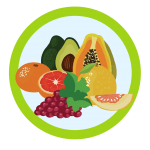
ORGANIC FRUIT
5.5mg per 1 cup serving
4.4mg per 1 cup
3.6mg per 1 cup
2.6mg per 1 cup chopped
2.2mg per 1 cup
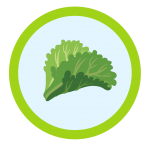
LEAFY GREENS
.7mg per 1 cup serving
.6mg per 1 cup serving
.6mg per 1 cu chopped
.5mg per 1 cup chopped

Beans and Legumes
1.8mg per 1 cup
1.1mg per 100grams
.8mg per 1 cup
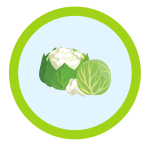
CRUICIFEROUS
1.7mg per 1 cup
.6mg per 1 cup serving
.7mg per 1 cup
.5mg per 1 cup chopped
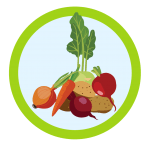
Roots
2.4mg per 1 cup
2.8mg per 1 medium potato
1mg per 1 cup slices
.6mg per 1 cup
1.1mg per 1 cup serving
WHOLE GRAINS
5.2mg per 1 cup serving
5mg per1 cup serving
4mg per 1 cup serving
3.7mg per 1 cup serving
3.4mg per 1 cup serving
3.3mg per 1 cup serving
3.2mg per 1 cup serving
Mushroom
 Recipes
7.6mg 1 cup sliced
7mg per 1 cup pieces
4.6mg per 1 cup sliced
Create a free account to unlock recipes for each source, and start turning this into meals.
Try FeedMeFood for free