Back
Back Source Code Food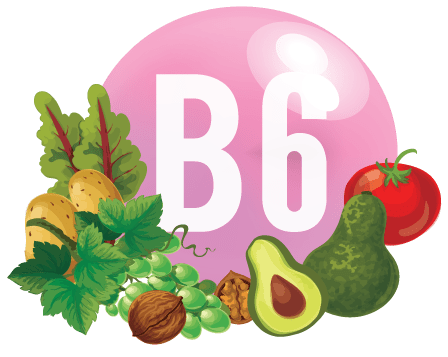
Pyridoxine
VitaminVitamin B6, commonly called Pyridoxine, is crucial in numerous bodily functions, making it one of the most important nutrients. This vitamin significantly influences both physical and mental well-being. It is particularly beneficial for individuals who experience water retention and is essential for absorbing fats and proteins in the body.
Vitamin B6 is required in the form of coenzymes for the activity of numerous enzymes involved in DNA and RNA synthesis. Specifically, it plays a crucial role in the conversion of amino acids into nucleotides. Nucleotides which are the building blocks of DNA and RNA.

B6, also known as pyridoxine, plays a crucial role in the formation of red blood cells. It helps the body absorb iron, another vital nutrient for blood formation. It is essential for the production of hemoglobin. Which is a protein found in red blood cells that carries oxygen throughout the body.
It also works to support the healthy functioning of the intestinal tract. Helping to soothe inflammation and irritation that can lead to digestive problems. It also plays a role in maintaining the balance of beneficial bacteria in the gut. Which helps to support overall digestive health.
Vitamin B6 helps in nerve function by producing neurotransmitters that regulate the communication between the nerves and brain.

It is involved in the production of white blood cells. Which are key players in your immune system. Vitamin B6 is also crucial for the production of antibodies. Which help your body fight infections.
Additionally, B6 is necessary for the creation of cytokines. Which are proteins involved in the immune response. Cytokines help coordinate the immune system’s activities by regulating the movement of white blood cells and encouraging the growth of new immune cells where they are needed.
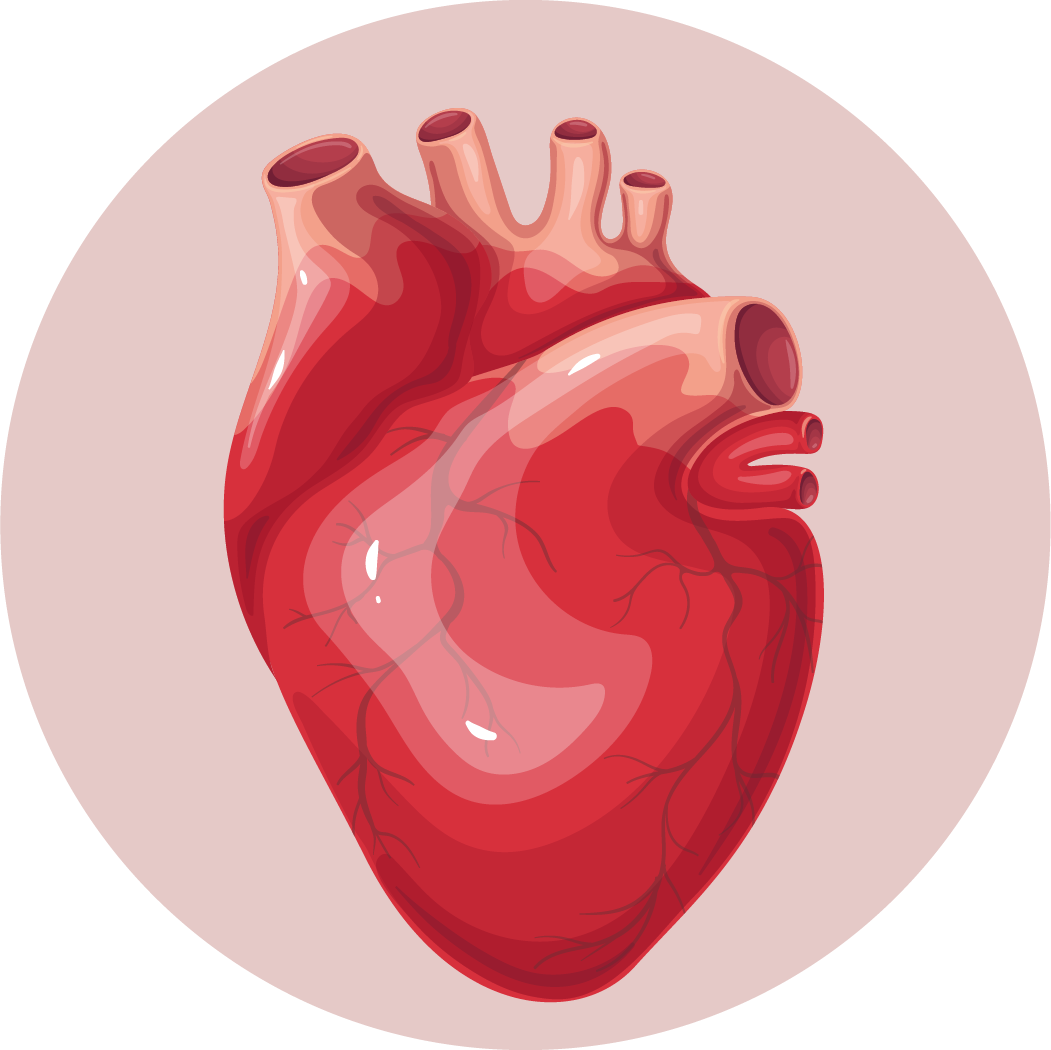
Is responsible for maintaining our red blood cells count, which is essential for carrying oxygen and nutrients to the different organs of our body, including the heart. Vitamin B6 also helps reduce the risk of inflammation and coagulation, two important factors responsible for heart diseases.
Moreover, Vitamin B6 also helps reduce the levels of homocysteine, a type of amino acid that can lead to plaque buildup in the arteries. B6 also aids in maintaining healthy cholesterol levels, which can also reduce the risk of heart diseases.
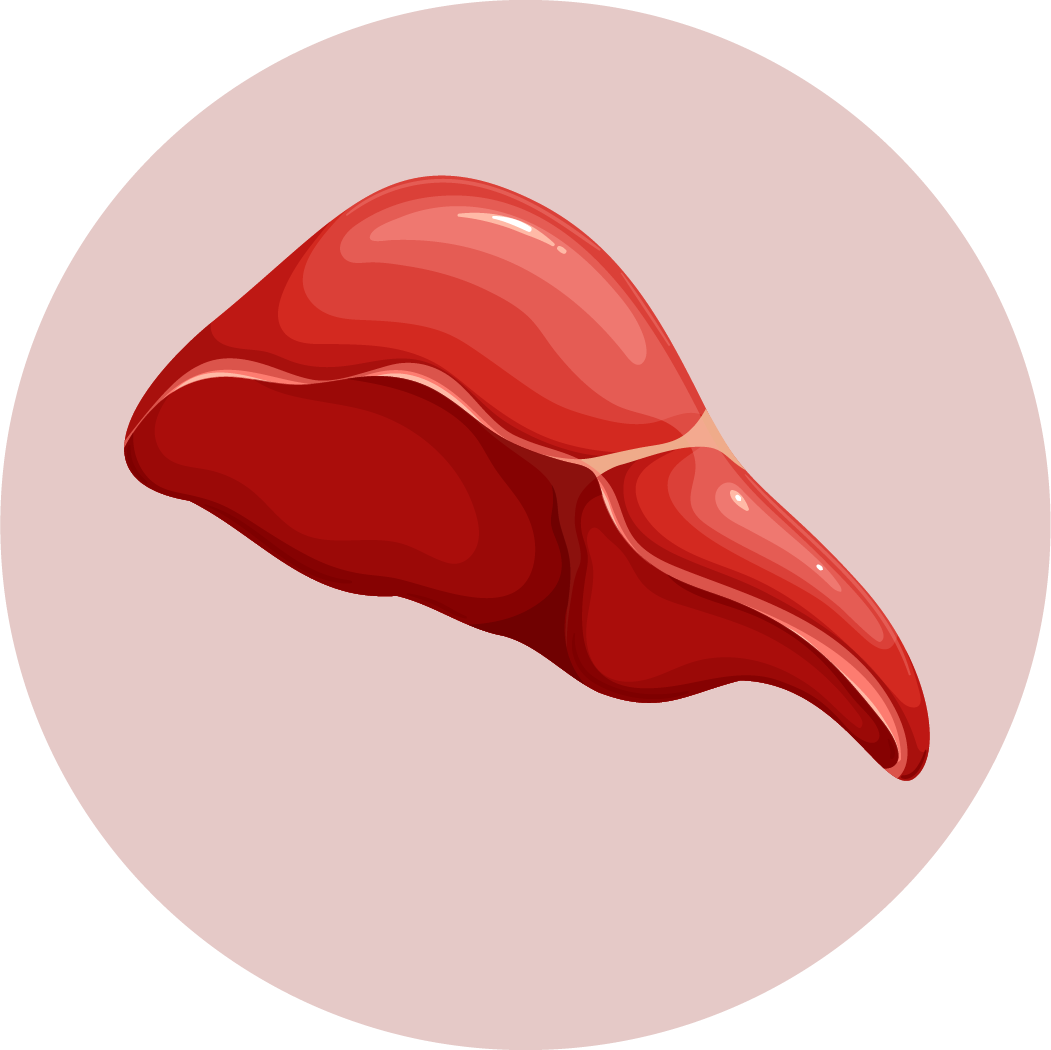
A deficiency in vitamin B6 can lead to a condition known as fatty liver, in which excess fat accumulates in liver cells. This can result in inflammation, liver damage, and even liver failure. An inadequate intake of vitamin B6 can also lead to elevated levels of homocysteine, a compound that can damage blood vessels and increase the risk of heart disease.

One study revealed that people with low levels of vitamin B6 had a greater risk of developing dementia and cognitive decline as they aged. This vitamin helps regulate homocysteine levels in the body, which can lead to damage to the blood vessels in the brain that impair memory recall and cause confusion.

Studies have shown that a deficiency in vitamin B6 may be associated with increased levels of depression, anxiety, and other mental health issues. This is because vitamin B6 helps to regulate serotonin and dopamine levels in the brain, both of which are neurotransmitters that affect mood and behaviour.

The deficiency of Vitamin B6 can lead to microcytic anemia, a condition characterized by abnormally small red blood cells that can’t carry enough oxygen to the body’s tissues. This could cause symptoms like fatigue, shortness of breath, chest pain, and headaches.
Vitamin B6 supports the production of serotonin, a neurotransmitter that contributes to the regulation of mood and bowel movements. A deficiency of this vitamin can be one of the leading causes of constipation.

Learning disabilities affect many people, and while there is no cure, research suggests that vitamin B6 may offer some benefits for those with these conditions. Vitamin B6 plays an essential role in the production of neurotransmitters, which are responsible for transmitting signals in the brain. Some studies suggest that vitamin B6 supplements may enhance cognitive function and help alleviate the symptoms of certain learning disabilities, such as dyslexia and attention deficit hyperactivity disorder (ADHD).
While research is ongoing, incorporating vitamin B6-rich foods into your diet may be a helpful way to boost your brain function and alleviate some of the symptoms of learning disabilities.
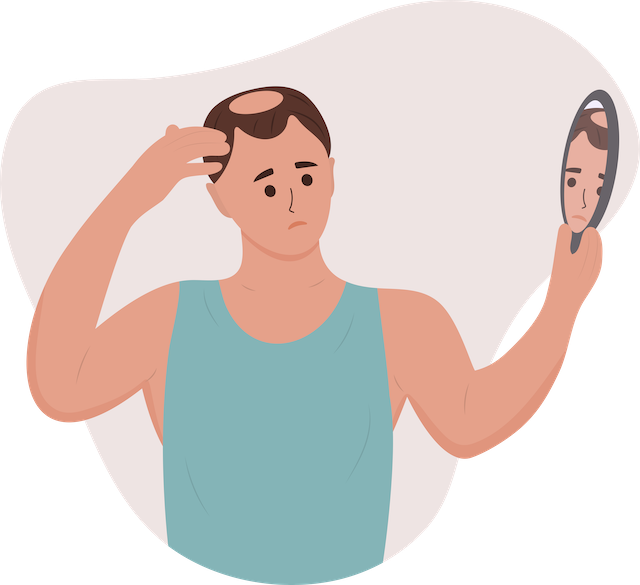
A deficiency of vitamin B6 is essential for maintaining healthy hair and promoting hair growth. These vitamins contribute to various biological processes that support hair strength and vitality.
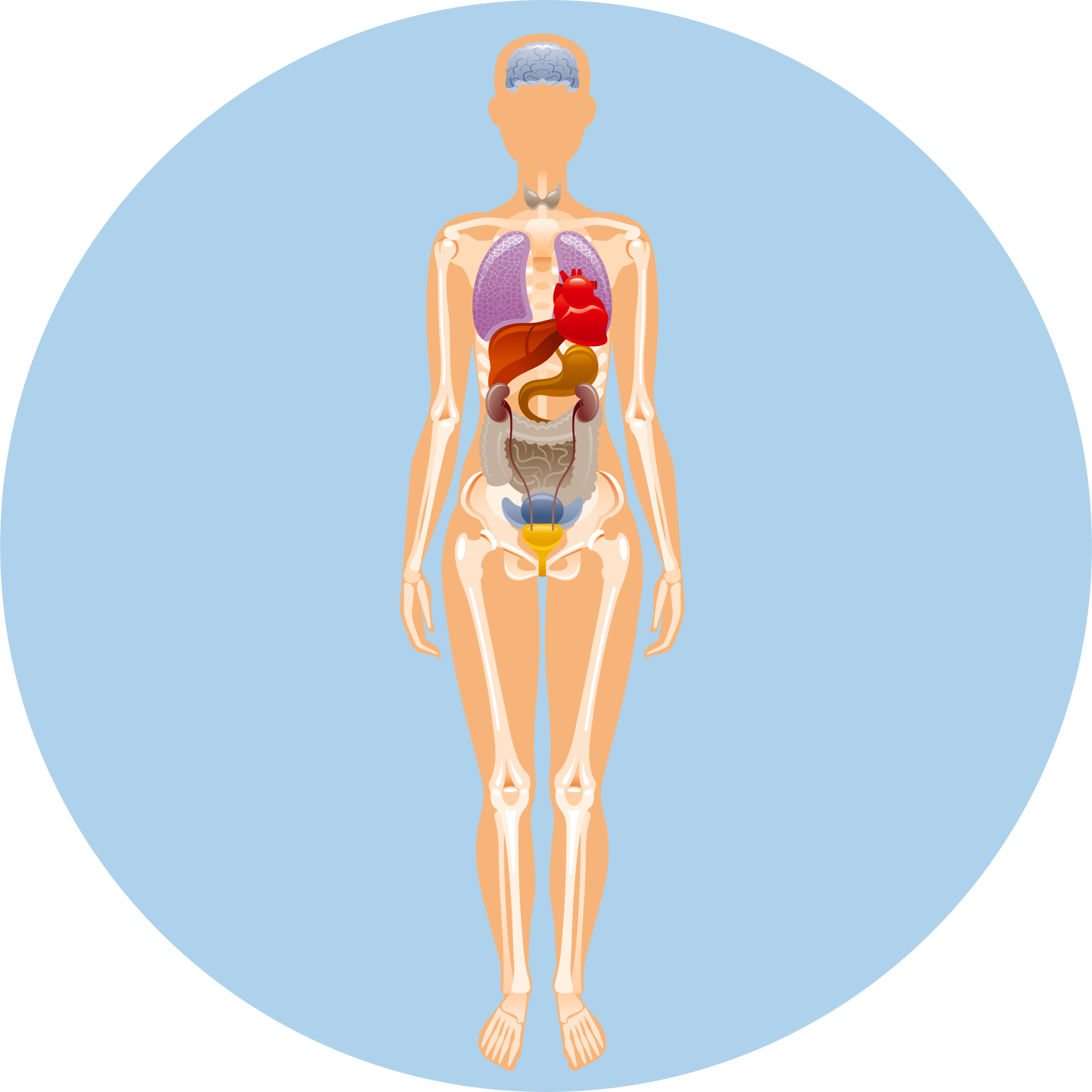
The human body cannot produce vitamin B6, so it must be obtained from food sources or supplements.

Studies have shown that vitamin B6 can help regulate hormone levels and reduce inflammation. For instance, it can help increase the production of serotonin, a neurotransmitter that affects mood and helps reduce anxiety and depression.
The discovery of vitamin B6 dates back to the early 20th century when it was first found in rice bran and named the “anti-dermatitis factor.”
Top B6 Foods for Your Family
Meat & Protein
Grass-Fed Red Meat

One serving of beef liver provides 1.5 mg which is about 75% of the recommended daily intake.
A 3 oz serving of beef sirloin can provide you with 0.8 mg of vitamin B6, which is about 40% of your daily recommended intake.
One lamb chop can provide you with around 0.4 mg, which is about 20% of your daily recommended intake.
A 3 oz serving of bison can provide you with 0.3 mg of vitamin B6, which is about 15% of your daily recommended intake.
FREE RANGE WHITE MEAT
3.5 oz serving of roasted turkey breast contains 35% of the daily value (DV)
A 3.5-ounce serving of roasted chicken breast contains 35% of the DV.
Just 3.5 oz serving of cooked duck breast contains 40% of the DV.
3.5 oz serving of roasted goose contains 15% of the DV.
A 3.5oz serving of roasted quail contains 20% of the DV.
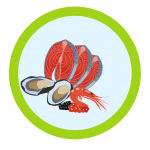
FISH & SEAFOOD
3.5 oz of fresh tuna contains about 30% of the daily value (DV) canned tuna of about 3.5 oz can provide around 18% to 28% of the daily value
A 3.5-ounce serving of cooked salmon may account for over 25% of an adult’s recommended daily intake
A serving of swordfish contains an impressive 85% of the recommended daily value for adults.
Halibut provides around 30% of the recommended daily intake
Just one serving of shrimp can provide up to 25% of the recommended daily value amount of Vitamin B6.
3 ounces offering 0.9mg, or 45% of the daily recommended value.
One serving of mussels (3 ounces) contains around 25% of the recommended daily value amount.
Fruits, Vegetable & Leafy Greens
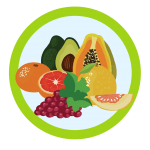
ORGANIC FRUIT
One medium-sized avocado contains 28% of the daily value recommended by the FDA
A one-cup serving of cantaloupe contains approximately 9% of the daily value
An average-sized orange provides about 5% of the daily value
A serving of papaya (about 140 grams) typically contains around 10% of the recommended daily value
A medium-sized banana contains approximately 25% of the Daily Value (DV), of Vitamin B6
LEAFY GREENS
A cup of cooked spinach contains about 54% of the daily value for adults.
A cup of cooked collard greens contains 38% of the daily value for adults.
A cup of cooked mustard greens contains around 13% of the daily value for adults.
A cup of cooked kale contains roughly 14% of the daily value for adults.
A cup of cooked beet greens contains approximately 6% of the daily value for adults.
CRUCUFEROUS
A cup of cooked spinach contains about 54% of the daily value for adults.
A cup of cooked collard greens contains 38% of the daily value for adults.
A cup of cooked mustard greens contains around 13% of the daily value for adults.
A cup of cooked kale contains roughly 14% of the daily value for adults.
A cup of cooked beet greens contains approximately 6% of the daily value for adults.
Root Vegetables
One medium-sized 38% of the daily recommended intake
A medium-sized avocado contains approximately 0.5 mg, which is 38% of the daily recommended intake.
One cup of prune juice contains which is 38% of the daily recommended intake.
One wedge of watermelon has about 15% of the daily recommended intake.
One medium-sized mango contains approximately 1% of the daily recommended intake.

BEANS & LEGUMES
1 cup of cooked chickpeas provide 55% of the daily value of vitamin B6.
A cup of cooked pinto beans provides 30% of the daily value of vitamin B6.
One cup of cooked navy beans provides 27% of the daily value of vitamin B6.
1 cup of cooked lentils provides 22% of the daily value of vitamin B6.
1 cup of cooked black beans provides 21% of the daily value of vitamin B6.
Just one cup of cooked lima beans provides 20% of the daily value of vitamin B6.
1 cup of cooked kidney beans provides 19% of the daily value of vitamin B6.
A cup of cooked split peas provides 18% of the daily value of vitamin B6.
1 cup of cooked adzuki beans provides 18% of the daily value of vitamin B6.
One cup of cooked soybeans provides 17% of the daily value of vitamin B6.
Grains, Herbs, Oils & Roots
WHOLE GRAINS
A single cup of cooked brown rice contains approximately 20% of the recommended daily value for adults.
A single cup of cooked quinoa provides approximately 20% of our daily value
A one-cup serving of cooked bulgur contains about 25% of the daily recommended value for adults.
With just a cup of dry oats, you can get more than 20% of your daily Vitamin B6 intake.
One cup of cooked barley contains approximately 25% of your daily recommended intake
HERBS
100g providing 0.5mg or 25% DV.
Dried thyme has a high amount of vitamin B6, with 100g providing 2.7mg or 135% DV.
Just 100g providing 0.1mg or 5% DV.
A 100g providing 0.2mg or 10% DV.
Only 100g providing 1.2mg or 60% DV.
Sage leaves have a significant amount of vitamin B6, with 100g providing 0.4mg or 20% DV.
Fresh rosemary has a moderate amount of vitamin B6, with 100g providing 0.1mg or 5% DV.
Chives have a decent amount of vitamin B6, with 100g providing 0.3mg or 15% DV.
NUTS & SEEDS
 Recipes
One cup of pistachios provides 28% DV of vitamin B6.
50 grams of sunflower seeds contain 27% of the DV of vitamin B6.
A quarter cup of sesame seeds provides 23% DV
One cup of cashews contains 22% DV of vitamin B6.
One cup of almonds contains 21% DV of vitamin B6.
One cup of hazelnuts contains 20% DV of vitamin B6.
One cup of pine nuts contains 19% DV of vitamin B6.
Two tablespoons of flax seeds contain 10% DV.
Two tablespoons of chia seeds have 8% DV of vitamin B6
50 grams of pumpkin seeds contain 8% DV of vitamin B6.
Create a free account to unlock recipes for each source, and start turning this into meals.
Try FeedMeFood for free