Back
Back Source Code Food
Cholecalciferol
VitaminVitamin D is a crucial nutrient that is essential for maintaining healthy bones and teeth. It is a fat-soluble vitamin that helps the body absorb calcium and phosphorus. These minerals are essential for building and maintaining strong bones and teeth, and they also help to maintain a healthy immune system and cardiovascular function.
The most important form of vitamin D is cholecalciferol, which is found naturally in foods such as fish, eggs, and liver. However, the form of cholecalciferol we get from food requires conversion by the liver and kidneys before it becomes active. In other words, the body needs to process it first before it can be used.
It is important to note that vitamin D is also produced by the body when the skin is exposed to sunlight. However, many people do not get enough direct exposure to the sun, which can lead to a deficiency in the nutrient.

Vitamin D has been shown to help regulate blood glucose levels. This is because it helps to improve insulin sensitivity, which is the body’s ability to use insulin effectively to regulate blood sugar levels. Additionally, cholecalciferol has been shown to improve overall metabolic function, which can help to prevent hypoglycemic episodes from occurring.

Research has shown that vitamin D receptors are present in the thyroid gland, indicating that the nutrient plays a significant role in thyroid function. The thyroid gland is responsible for producing hormones that regulate metabolism, growth, and development.

Cholecalciferol helps to activate and mobilize immune cells, such as T-cells and B-cells, which are responsible for combating infections and viruses within the body. D vitamin also activates monocytes and macrophages, which are key elements of the innate immune system.
Our muscles require vitamin D to function correctly as it helps with muscle strength, efficiency, and growth. Cholecalciferol can also assist in controlling inflammation in muscles and reducing muscle wasting in some disorders.

cholecalciferol, also known as Vitamin D3, plays a crucial role in the proper growth and development of the human body. It is necessary for the absorption of calcium and phosphorus, which are essential for bone health.
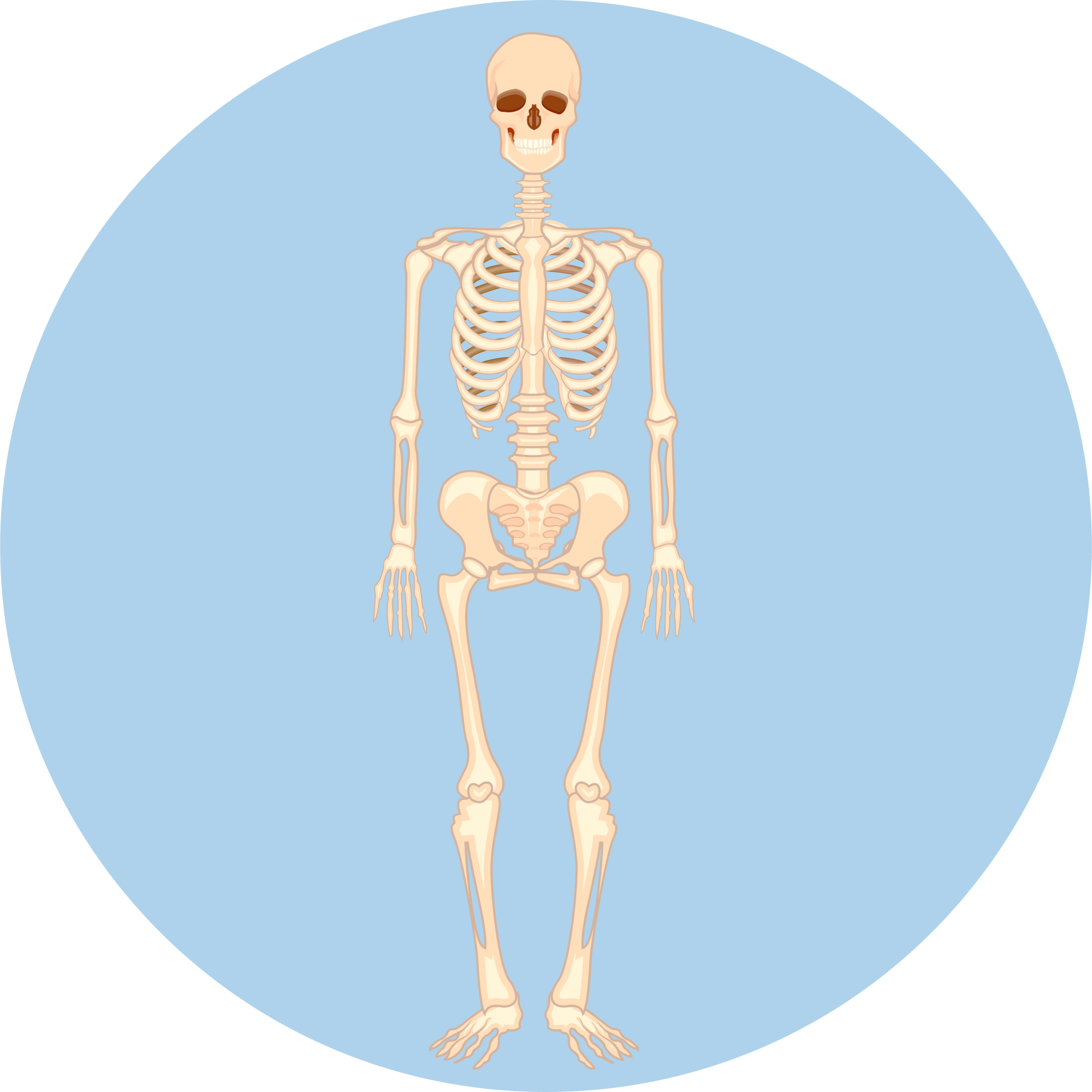
Vitamin D helps the body to absorb and use calcium, which is necessary for healthy bones and teeth. Without enough cholecalciferol, the body cannot effectively absorb calcium, leading to weakened bones and an increased risk of fractures and osteoporosis.
Rickets is a medical condition caused by the deficiency of vitamin D, calcium, or phosphorus in the body. This condition leads to softening and weakening of bones, making them prone to fractures and deformities

When too much vitamin D is consumed, it can cause an increase in calcium levels in the bloodstream, leading to a condition known as hypercalcemia. This can irritate the lining of the intestines, causing diarrhea.

High doses of vitamin D may cause acid reflux leading to burning sensations in the throat and mouth. This occurs due to increased calcium absorption, which relaxes the esophageal muscles, allowing stomach acid to flow back and damage tissue. If you experience these symptoms, seek medical help promptly.

Osteomalacia in adults is a disorder that causes softening of bones due to a lack of vitamin D. The most common cause of this condition is a lack of exposure to sunlight or not eating foods rich in calciferol.

Research has shown that vitamin D deficiency may be linked to a higher risk of various eye conditions, including age-related macular degeneration, cataracts, and glaucoma.

Vitamin D deficiency can cause loss of appetite and weight loss. Due to its role in regulating hunger and satiety hormones.

While it is commonly referred to as a vitamin, it is actually considered a hormone as it is synthesized in the body through exposure to sunlight. That hormone connects with our genes. It has receptors called VDR that are found through out our body. These receptors work with different binding sites on our genes and control many genes – possibly hundreds or thousands.
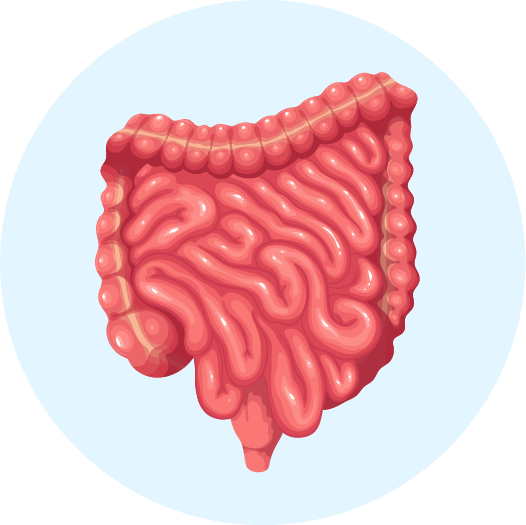
It is critical for keeping good tight junctions. Tight junctions are essentially the gates that regulate the paracellular permeability of water, ions, and macromolecules in adjacent cells. Helping prevent leaky gut. Studies have shown a correlation between deficiency and IBS.

Research shows that vitamin D receptors are located in areas of the brain that are linked to the development of depression and anxiety. So, eating vitamin D-rich foods or taking supplements can help you maintain a good mood.
RECOMMENDED DAILY VITAMIN D INTAKE VARIES BY AGE, SEX, AND INDIVIDUAL NEEDS. MOST PEOPLE NEED 600 IU DAILY, BUT THOSE OVER 70 SHOULD AIM FOR 800 IU
Meat & Protein

Grass-Fed Red Meat

3.5-ounce serving of beef liver contains 62% of the daily value of vitamin D.
A 3.5-ounce serving of beef sirloin contains 16% of the daily value.
Just a 3.5-ounce serving of lamb liver contains 44% of the daily value of vitamin D.
3.5-ounce serving of contains 11% of the daily value
One 3.5-ounce serving contains 5% of the daily value of vitamin D.
Bison/buffalo liver – a 3.5 oz serving provides 196% of the daily value for copper.
3.5 oz serving provides 61% of the daily value for copper.
FISH AND SEAFOOD
3.5-ounce serving of sardines provides almost half the daily value.
This oily fish is a great source of protein and omega-3 fatty acids, and packs in over 100% daily value of vitamin D per 3-ounce serving
A 3.5-ounce serving of canned tuna contains about 40% of the recommended daily intake.
A 3.5-ounce serving of herring contains over five times the daily value.

Grass-Fed Dairy
Many brands of milk are fortified with vitamin D. One cup of fortified milk can provide up to 25% of the daily value.
A six-ounce serving of yogurt can provide around 20% of the daily value. 4. Cheese – Some types of cheese are also high in vitamin D. For example, one ounce of Swiss cheese can provide around 10% of the daily value. 5. Butter – While not as high in vitamin D as the other foods on this list, butter can still contribute to your daily intake. One tablespoon of butter provides around 1-2% of the daily value.
One ounce can provide around 10% of the daily value.
One tablespoon of butter provides around 1-2% of the daily value.
Free-Range Eggs
Wild caught salmon eggs would provide approximately 46% of the daily value.
One large duck egg can contain approximately 10-15% of the recommended daily intake for an adult.
The daily value of vitamin D in quail eggs is approximately 6% per egg.
Contain. about 10% daily value of vitamin D
Fruits, Vegetable & Leafy Greens
LEAFY GREENS
A 3.5 oz serving of raw spinach provides about 3% of your daily value
Serving of 3.5 oz of raw kale provides about 2% of your DV of vitamin D
A 3.5oz serving of cooked collard greens provides about 5% of your DV.
Serving of just 3.5 oz of cooked mustard greens provides about 6% of your DV of vitamin D.
A 3.5oz serving of cooked turnip greens provides about 4% of your DV of vitamin D

Oils
 Recipes
Just one tablespoon of cod liver oil contains more than twice the recommended daily intake.
fish liver oils like halibut liver oil and salmon liver oil provide more than 100% of the daily value in one tablespoon
Mushroom oil is a vegan source of vitamin D. It provides about 100% of the daily value in just a few drops. 4. Flaxseed oil: Flaxseed oil is a plant-based oil that is packed with nutrients. It provides about 10% of the daily value of vitamin D per tablespoon.
Packed with nutrients. It provides about 10% of the daily value of vitamin D per tablespoon.
Plant-based oil that is rich in nutrients. It provides about 6% of the daily value of vitamin D per tablespoon.
Create a free account to unlock recipes for each source, and start turning this into meals.
Try FeedMeFood for free