Back
Back Source Code Food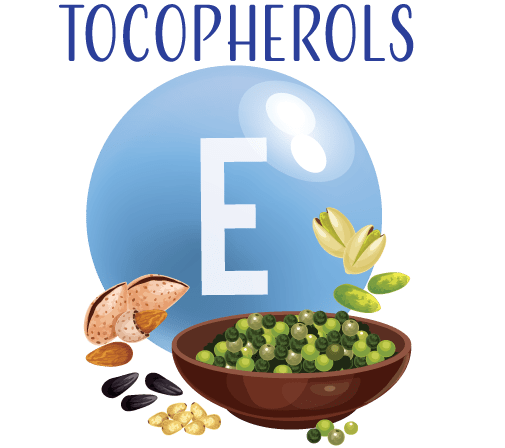
Tocopherols
VitaminThe primary function of Vitamin E is to help protect cells from oxidative stress caused by free radicals; this reduces the risk of chronic disease and slows the aging process. Tocopherol is also known to promote proper blood circulation, reduce inflammation, and prevent blood clotting, thereby lowering the risk of stroke and heart disease.
Sources of include nuts, seeds, leafy green vegetables, and fortified foods. While Vitamin E deficiency is rare, those who have dietary restrictions or malabsorption issues may require supplements. Excessive consumption of Vitamin E supplements can have adverse effects and lead to health complications. Therefore, it’s crucial to speak to a healthcare professional about the appropriate dosage and the best sources of vitamins to meet your daily requirements. Incorporating tocopherol into your daily diet and lifestyle is incredibly beneficial in keeping your body healthy and functioning correctly.
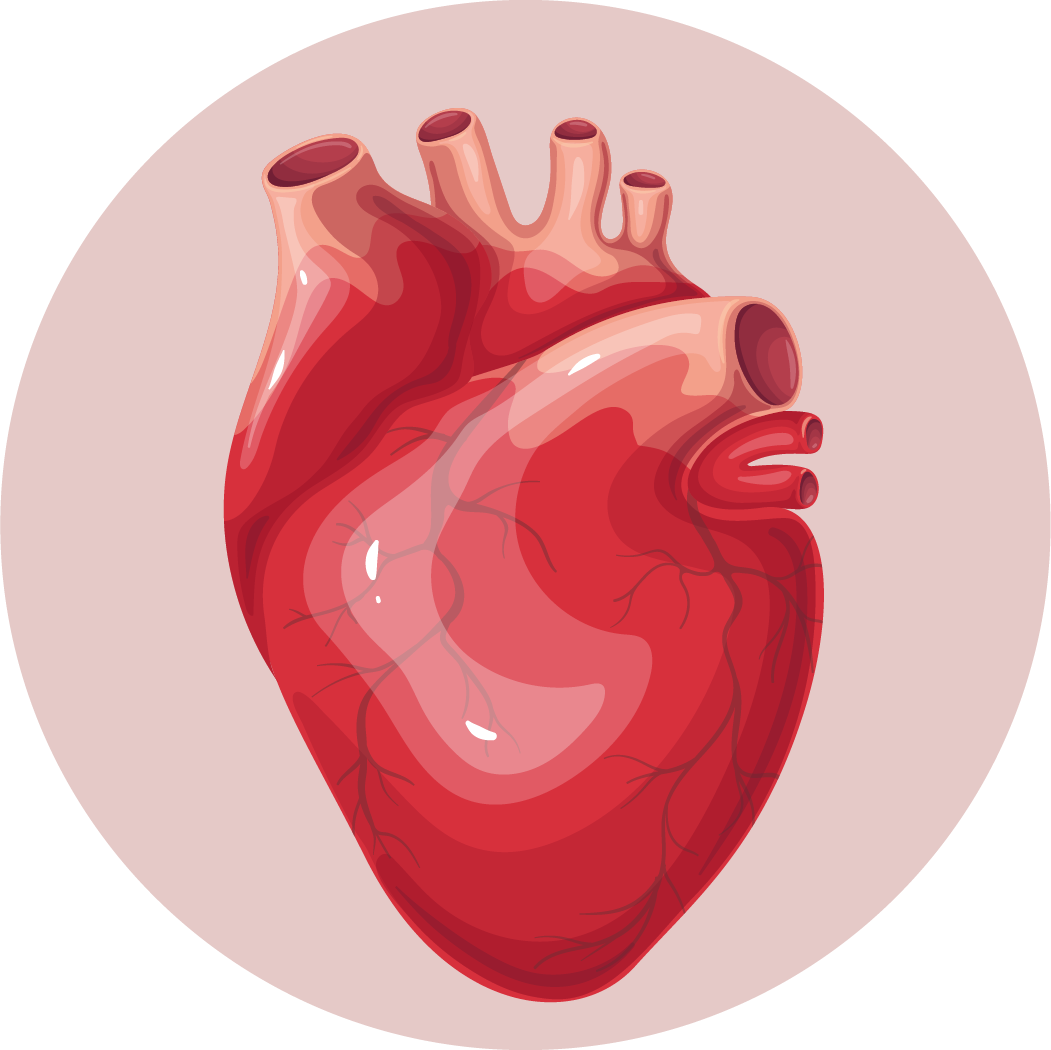
Essential in preserving our cardiovascular health. It maintains proper blood flow and prevents cholesterol from oxidizing and forming plaques that could clog the arteries and lead to heart disease. Vitamin E’s anti-inflammatory properties also help reduce inflammation that could cause cardiovascular risk factors like thrombosis and atherosclerosis.

Fibrocystic disease in women causes breast lumps or cysts, uncomfortable and risk of breast cancer. Doctors often suggest taking vitamin E to alleviate pain. Tocopherol combats inflammation and oxidative stress, reducing free radicals that harm cells. It can regulate estrogen levels and prevent the formation of breast tissue cysts.

This nutrient is essential for the proper functioning of immune cells, including T-cells, B-cells, and natural killer (NK) cells. These cells work together to fight off harmful pathogens that can cause illness or disease. It helps maintain the integrity of cell membranes, preventing the entry of harmful bacteria or viruses.
Vitamin E reduces inflammation, soreness, and muscle damage, improving recovery time and allowing athletes to train more. It also protects against oxidative stress, decreasing fatigue and increasing endurance. It increases oxygen delivery to muscles, and enhances the immune system when used with other antioxidants like vitamin C, essential for athletes who push their bodies to the limit.

During the menstrual cycle, levels of prostaglandins, hormone-like substances that cause cramps and other PMS symptoms, increase in the body. Vitamin E has been shown to reduce prostaglandin levels and therefore alleviate PMS symptoms.

It can help to reduce inflammation and promote healthy cell growth. It also helps to reduce the appearance of scars and helps the skin to heal faster. Moreover, vitamin E can help to prevent infections by boosting the immune system’s ability to fight off harmful bacteria, fungi, and viruses.

Vitamin E is required for the proper functioning of the thyroid gland, as it helps to protect the gland from oxidative damage. Additionally, helps to regulate the production and utilization of thyroid hormones, which are necessary for the proper functioning of various organs and systems in the body.
tocopherol
FIBROCYSTIC DISEASE
Fibrocystic disease in women causes breast lumps or cysts, uncomfortable and risk of breast cancer. Doctors often suggest taking vitamin E to alleviate pain. Tocopherol combats inflammation and oxidative stress, reducing free radicals that harm cells. It can regulate estrogen levels and prevent the formation of breast tissue cysts.
vitamin e, tocopherol< calcium, b6
PRE MENSTRUAL SYNDROME
During the menstrual cycle, levels of prostaglandins, hormone-like substances that cause cramps and other PMS symptoms, increase in the body. Vitamin E has been shown to reduce prostaglandin levels and therefore alleviate PMS

When Vitamin E in the body is low, the Red Blood Cells become fragile and are more prone to rupture, leading to anemia. Also a deficiency can impair the function of White Blood Cells, reducing their ability to fight infections and leaving the body more vulnerable to diseases.
When the body has insufficient vitamin C, the nerve cells may not function properly, such as tingling or numbness in the hands or feet, muscle weakness, poor memory, and mood changes.
What’s more, it has also been linked to increased risk of developing certain neurological conditions such as dementia, Alzheimer’s disease, Parkinson’s disease, and multiple sclerosis.
A deficiency can impact fertility by reducing the quality and quantity of both male and female gametes. In men, it can lead to low sperm motility, low sperm count, increased DNA damage within sperm, and even infertility. In women, a deficiency can negatively affect the endometrial lining and potential for conception. Additionally, a vitamin E deficiency can increase the risk of miscarriage or preterm birth. .

A deficiency can also have detrimental effects on the eyes. A lack of vitamin E can cause damage to the cells in the retina, leading to vision problems such as impaired night vision and blindness. It can also cause damage to the blood vessels in the eyes, leading to diabetic retinopathy, a condition that can cause blindness in people with diabetes.
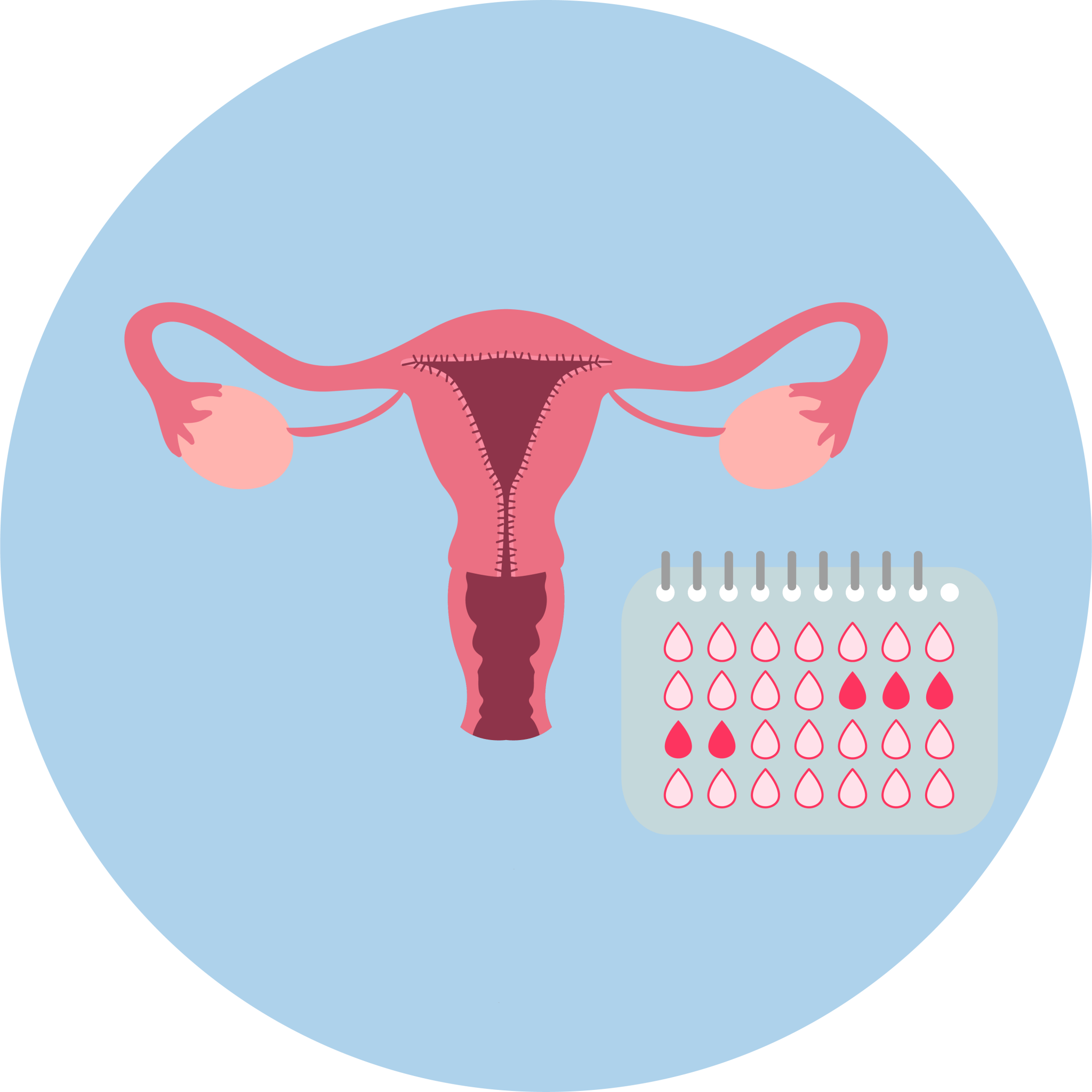
Insufficient levels of this vitamin can lead to an imbalance in estrogen and progesterone hormones, resulting in irregular or missed periods. Additionally can cause painful menstrual cramps and heavy bleeding. Women who suffer from vitamin E deficiency may also experience difficulties in conceiving, as proper ovulation relies on proper hormone balance.
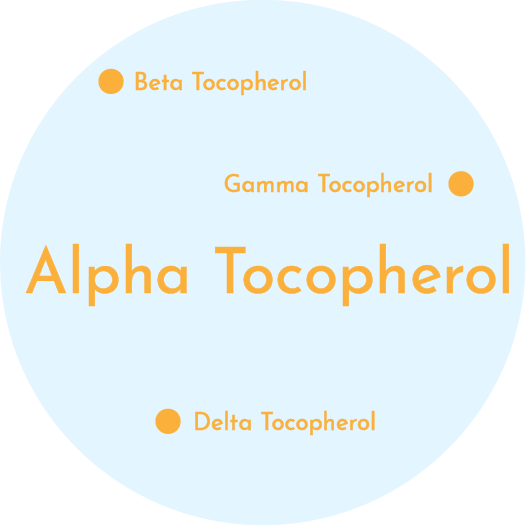
Vitamin E has multiple forms, yet alpha-tocopherol is the only one that the human body can utilize. It is a fat-soluble vitamin and its primary function is to serve as an antioxidant, eliminating free radicals that may cause harm to cells.
Vitamin E is also used as a natural preservative in many food products, as it can help prevent oxidation and spoilage.
ADULTS SHOULD CONSUME 15MG (22.4 IU) DAILY, WHICH APPLIES TO BOTH SEXES. PREGNANT OR BREASTFEEDING WOMEN MAY REQUIRE 19MG (28.5 IU).
Meat & Protein
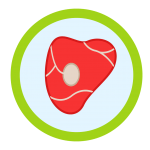
GRASS FED RED MEAT Beef Liver

Offers an impressive 449% of the daily value per 3.5 oz.
3.5-ounce serving of grass-fed beef steak offers around 15% of the daily value.
A 3.5 serving of grass-fed lamb meat contains around 18% of the daily value.
In 3.5 oz. which is 27% of the daily value of vitamin e.
A 3.5 serving of grass-fed venison contains around 12% of the daily value.
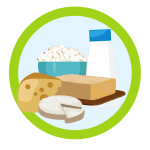
Grass-Fed Dairy
A pat of butter contains 4% of the daily value of vitamin E.
With 10% of the daily value of vitamin E per serving, whole milk is a good source of nutrients.
This type of cheese offers 17% of the daily value of vitamin E per serving.
Cheddar cheese has 9% of the daily value of vitamin E per serving.
An ounce of cream cheese offers 2% of the daily value of vitamin E.
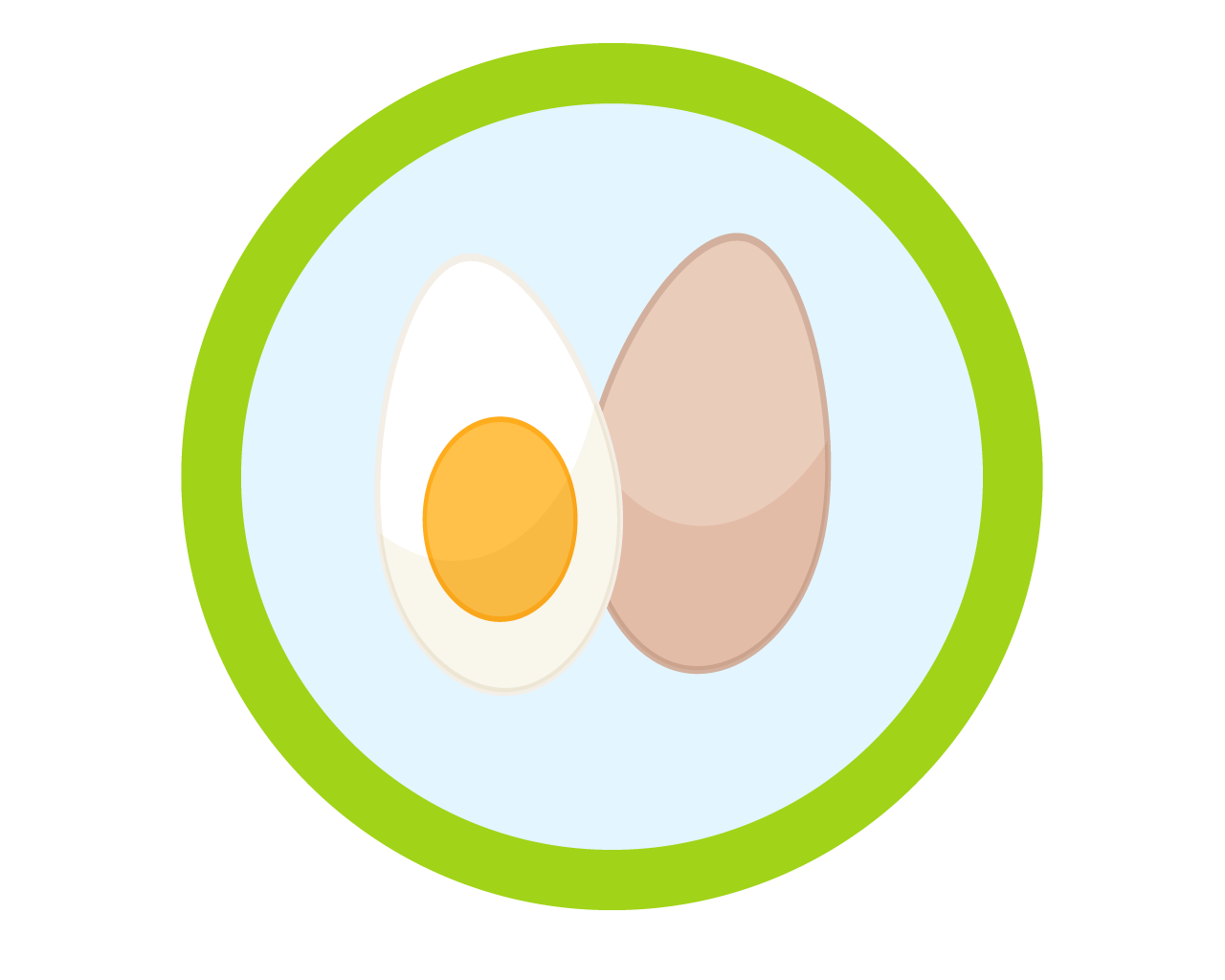
Free-Range Eggs
These eggs are sourced from hens that are fed a diet rich in omega-3 fatty acids, which increases the amount of vitamin E in the yolk.
Eggs from hens that are allowed to graze on pastures tend to have a higher level of vitamin E than those from caged hens.
Organic eggs tend to have a slightly higher amount of vitamin E compared to conventional eggs due to the fact that they are fed an organic diet.

Beans and Legumes
An excellent source of Vitamin E, providing up to 10% of the recommended dietary allowance per serving.
Half a cup of cooked chickpeas can provide approximately 15% of the recommended daily intake of Vitamin E.
A single cup of peas contains about 10% of the recommended daily intake of vitamin E, making it a valuable source of this important nutrient.
Just one ounce of peanuts can provide up to 10% of the daily value of vitamin E
One cup of cooked green beans contains approximately 10% of the Daily Value (DV) of vitamin E.
A cup of cooked Lima beans provides you with 27% of your daily recommended intake.
One cup of edamame contains around 10% of the recommended daily value of vitamin E.
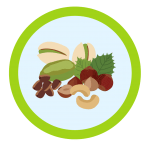
NUTS & SEEDS
With a daily value of 50%, almond milk is a great dairy-free source of vitamin E.
One ounce of hazelnuts contains approximately 20% of the recommended daily intake of vitamin E.
This type of cheese offers 17% of the daily value of vitamin E per serving.
Cheddar cheese has 9% of the daily value of vitamin E per serving.
An ounce of cream cheese offers 2% of the daily value of vitamin E.
An ounce of cream cheese offers 2% of the daily value of vitamin E.
An ounce of cream cheese offers 2% of the daily value of vitamin E.
An ounce of cream cheese offers 2% of the daily value of vitamin E.
Fruits, Vegetable & Leafy Greens
LEAFY GREENS
An excellent source of Vitamin E, providing up to 10% of the recommended dietary allowance per serving.
Half a cup of cooked chickpeas can provide approximately 15% of the recommended daily intake of Vitamin E.
A single cup of peas contains about 10% of the recommended daily intake of vitamin E, making it a valuable source of this important nutrient.
Just one ounce of peanuts can provide up to 10% of the daily value of vitamin E
One cup of cooked green beans contains approximately 10% of the Daily Value (DV) of vitamin E.
A cup of cooked Lima beans provides you with 27% of your daily recommended intake.
One cup of edamame contains around 10% of the recommended daily value of vitamin E.
One cup of edamame contains around 10% of the recommended daily value of vitamin E.
One cup of edamame contains around 10% of the recommended daily value of vitamin E.
CRUCIFEROUS
One cup of chopped raw broccoli contains approximately 15% of the daily value (DV) of vitamin E.
A 13.5 oz serving of raw kale contains approximately 13% of the Daily Value (DV) for vitamin E.
A half cup serving of cooked Brussels sprouts contains about 10% of the daily value (DV) for vitamin E.
One cup of chopped cabbage provides around 6 percent of the DV for vitamin E.
Roots
A 3.5 oz serving of sweet potato contains approximately 7% of the DV.
1 cup of raw carrots providing approximately 4% of the daily value (DV) for vitamin E.
provide approximately 3% of the Daily Value (DV) per serving (one cup cooked or one small beet).
A 3.5 oz serving of cooked parsnips contains about 15% of the DV.
Grains, Herbs, Oils & Roots
WHOLE GRAINS
A 3.5oz serving of cooked quinoa provides roughly 7% of the Daily Value (DV).
Consuming one serving of wheat germ provides 100% of the recommended DV.
1 cup of cooked oatmeal contains around 5% of the daily value for vitamin E.
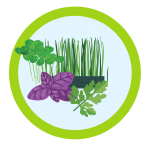
HERBS
 Recipes
One cup of alfalfa provides around 8.7% of the DV of vitamin E.
Create a free account to unlock recipes for each source, and start turning this into meals.
Try FeedMeFood for free