Back
Back Source Code Food
Phylloquinone
VitaminVitamin K plays a pivotal role in maintaining optimal health, yet many people are unaware of its significance. Vitamin K is crucial for blood clotting, strong bones, and proper liver function. It also helps prevent heart disease and is necessary for normal growth and development.
While a deficiency in vitamin K can be detrimental to health, there is also a concern for toxicity. Excessive amounts of vitamin K can be toxic, especially if taken in supplement form, leading to unwanted side effects like nausea and diarrhea.
It is essential to obtain the right amount of vitamin K from appropriate sources, such as a balanced diet or consult with a healthcare practitioner if supplements are necessary. Maintain a healthy balance of vitamin K in your diet is crucial for optimal health and a functioning body.
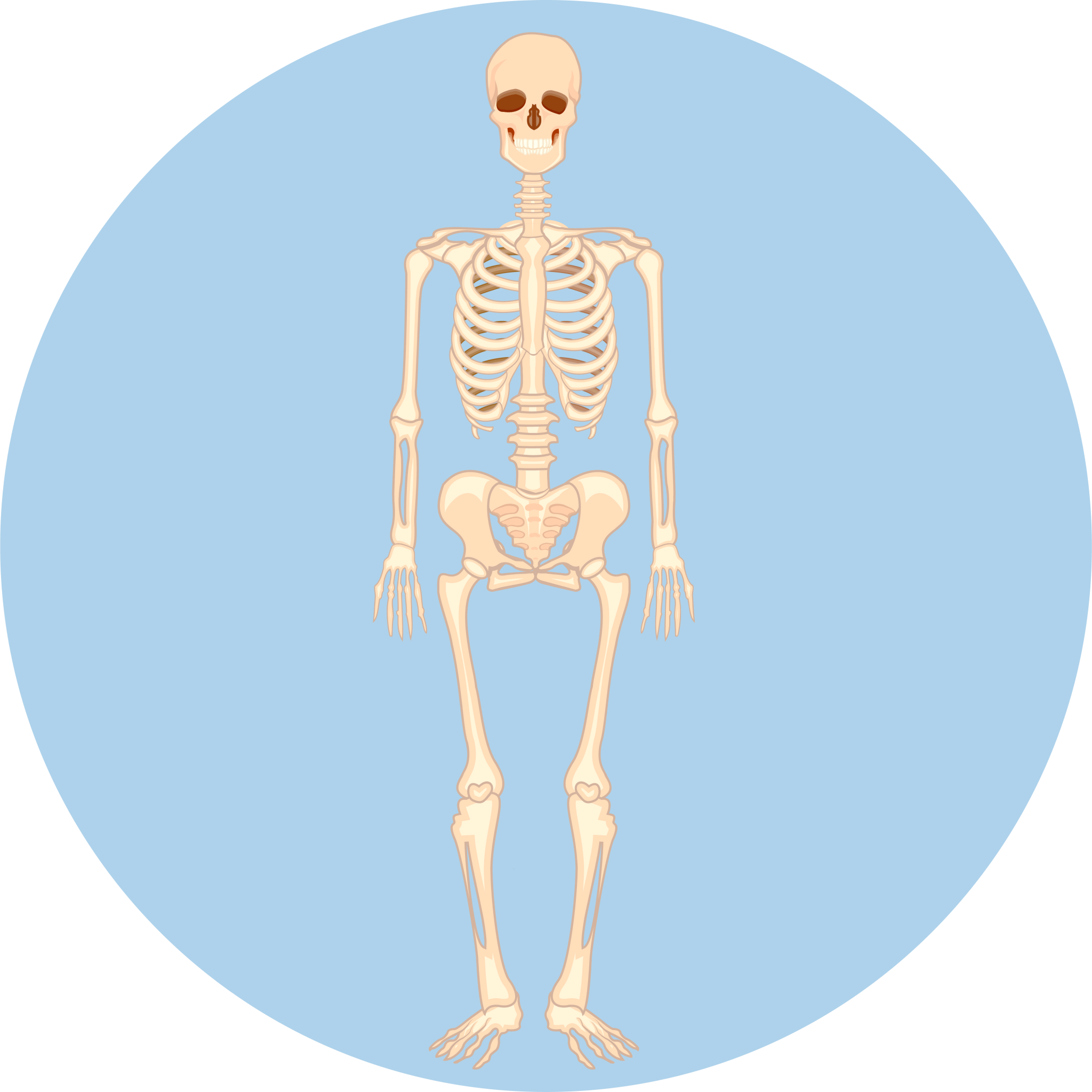
Vitamin K works by activating certain proteins that are responsible for binding calcium to the bone matrix. This process promotes bone mineralization, ultimately leading to stronger bones. Vitamin K also inhibits the activity of cells that break down bone tissue, which helps to maintain bone density.
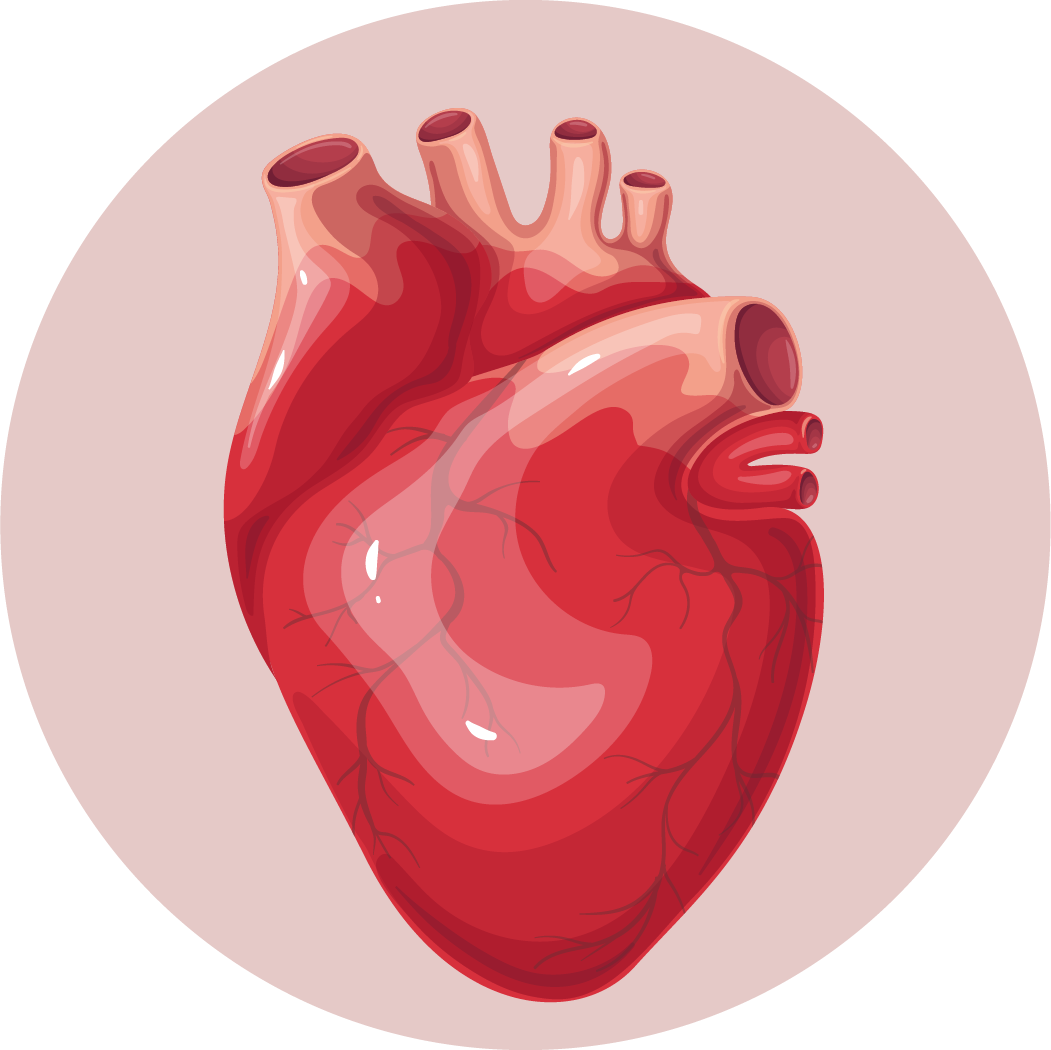
Research has shown that vitamin K is necessary for the activation of matrix Gla protein (MGP), a protein that inhibits the accumulation of calcium in arteries and helps to maintain their elasticity.
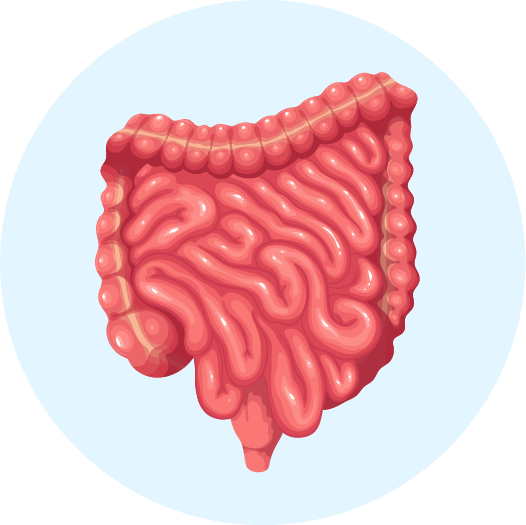
Has an essential function in glucose metabolism. Vitamin K is necessary for the process of converting glucose into glycogen in the intestines for storage in the liver. It activates a protein called carboxylase that helps convert glycogen into glucose, which can be readily used by the body during times of low blood sugar levels.
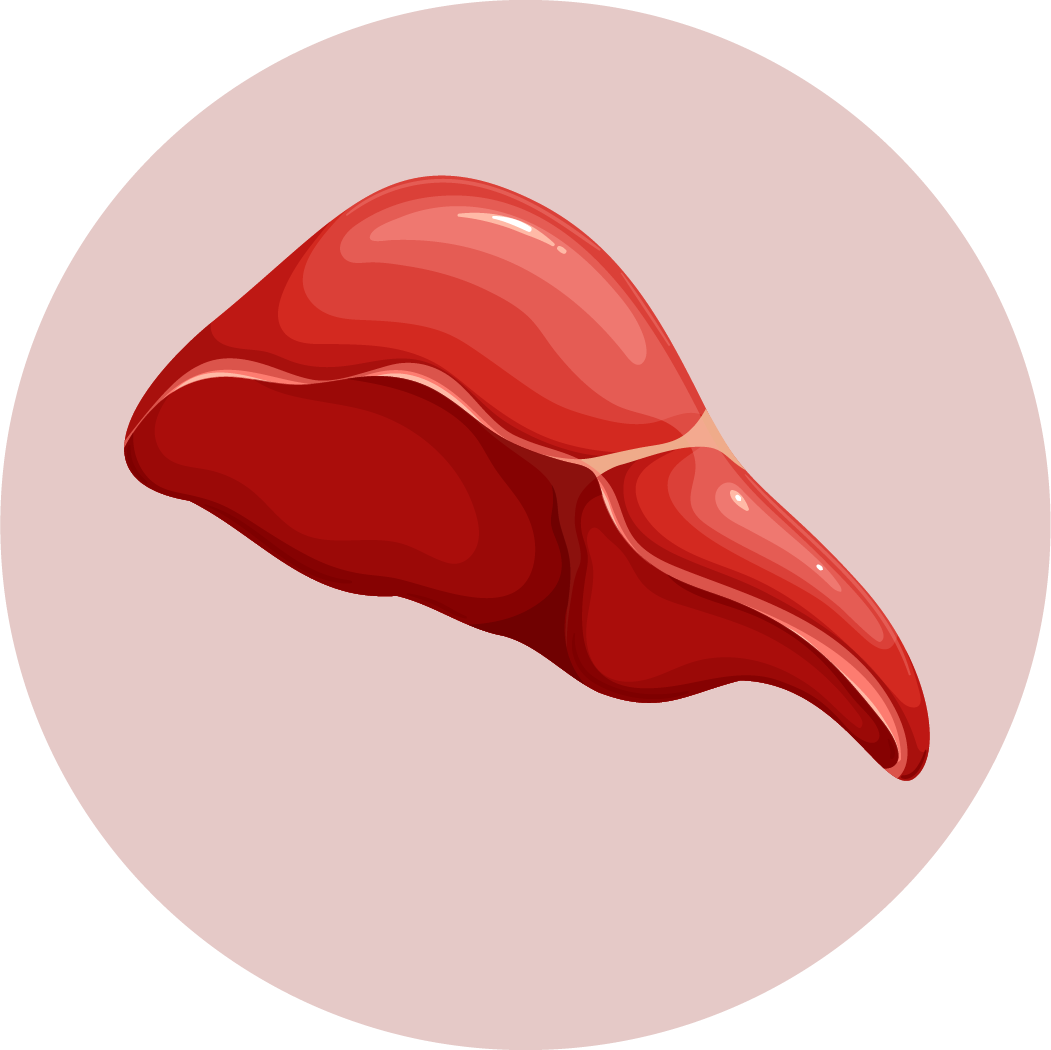
Studies have found that vitamin K may also help suppress inflammation in the liver. This is important, as chronic inflammation can lead to liver damage and even liver failure. By keeping inflammation under control, vitamin K plays a crucial role in maintaining healthy liver function.

Plays a vital role in maintaining good health, especially in children. One of the many benefits of this essential nutrient is that it can help prevent infections. It helps to activate enzymes that play a crucial role in the immune system. Without adequate amounts of vitamin K in their diets, children may be more prone to developing infections.
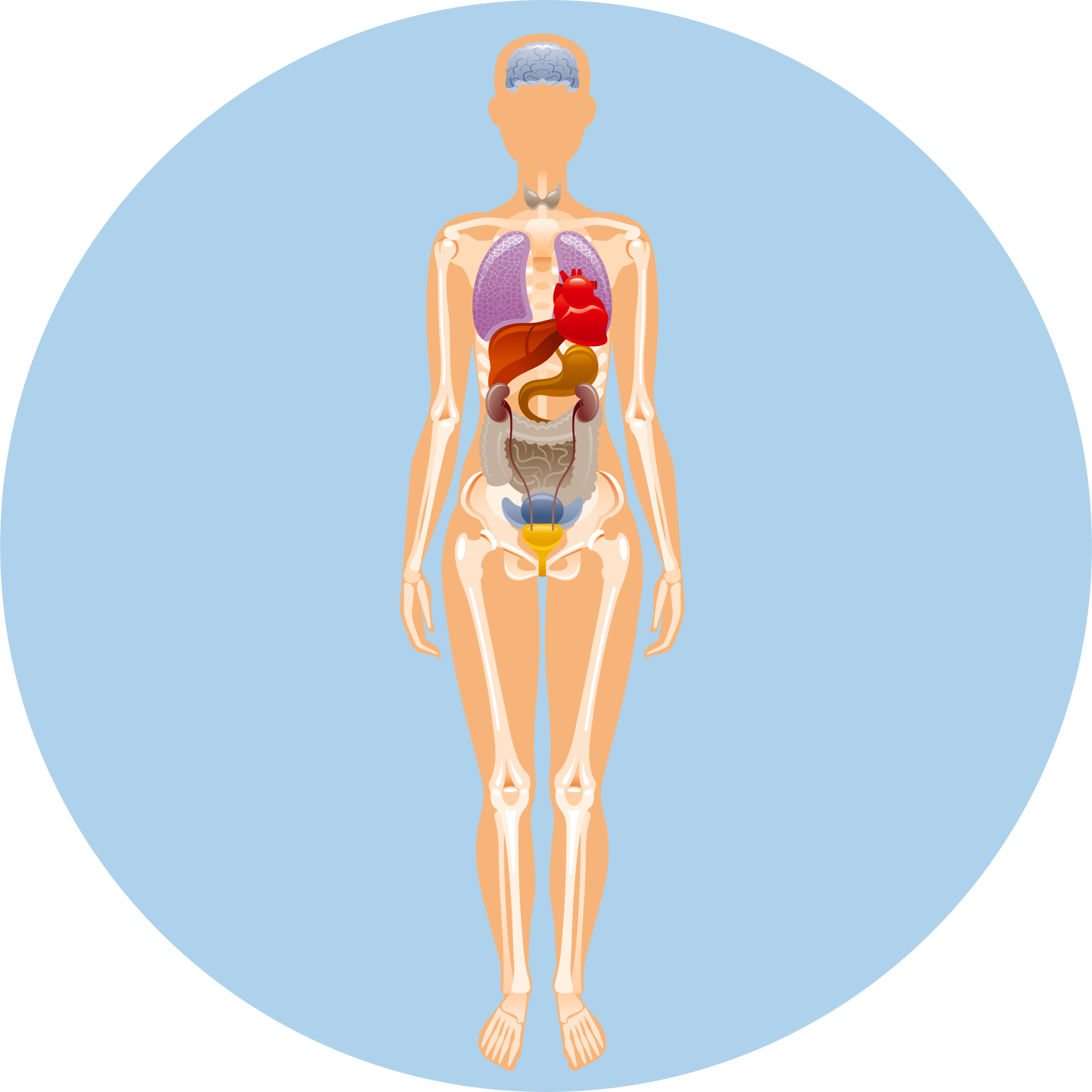
Recent research has shown that vitamin K may play a role in preventing certain types of cancer that attack the lining of organs, such as bladder, lung, and stomach cancer.
This may be because vitamin K helps regulate the growth of cells, preventing abnormal growth that can lead to cancer.
It is important to note that more research is needed to fully understand the relationship between vitamin K and cancer prevention.

This vitamin helps to activate specific proteins that are required for normal blood clotting. Without vitamin K, the body may form a weak and faulty clot, leading to prolonged bleeding or hemorrhage.
Vitamin K works by modifying certain proteins so that they can bind calcium. This binding process initiates the formation of a blood clot. Without vitamin K, these proteins are not activated, leading to blood clotting difficulties.

Vitamin K is an essential nutrient that plays a critical role in blood clotting. Without enough vitamin K, the blood cannot clot properly, leading to bleeding in the digestive or urinary tract, bruising and heavy menstrual bleeding.

Osteoporosis weakens bones, leading to fractures. Lack of calcium, vitamin D, and vitamin K1 can contribute to its development. Vitamin K1 regulates calcium levels and helps in bone formation. Low levels of K1 can cause decreased bone density and fractures.

Several studies suggest that vitamin K deficiency can lead to negative effects on glucose metabolism, particularly in people with diabetes. Moreover, people with liver or pancreatic diseases may face a higher risk of vitamin K deficiency and may develop impaired glucose metabolism.

While vitamin K can be found in leafy green vegetables like spinach and kale, did you know that the bacteria in your intestines can also manufacture this key nutrient?
That’s right – the bacteria in your gut, known as the gut microbiome, have the ability to produce vitamin K. It’s just one of the many roles that these helpful microbes play in our overall health.
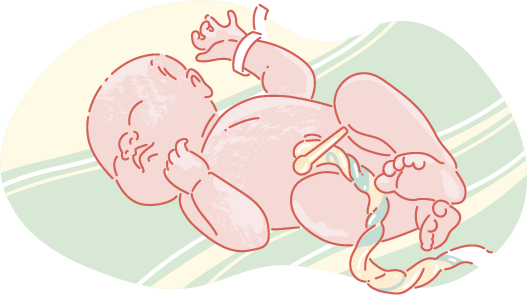
Newborn babies are often given a vitamin K injection at birth to prevent bleeding. This is because babies do not have enough vitamin K stored in their bodies, and their diets may not provide enough of the vitamin.

In the 1940s, a Japanese scientist named Dr. Saki discovered a fermented soybean dish called natto, which is high in vitamin K. Natto has a slimy texture and pungent smell, making it an acquired taste. Despite its odd qualities, natto remains a popular traditional dish in Japan and is still considered one of the best sources of vitamin K today.
ADULT MEN NEED 120 MICROGRAMS, WHILE WOMEN NEED 90 MICROGRAMS DAILY. INFANTS AND CHILDREN REQUIRE LESS, WITH INFANTS NEEDING 2 TO 2.5 MICROGRAMS AND CHILDREN NEEDING 30 TO 75 MICROGRAMS DAILY.
Meat & Protein
Grass-Fed Red Meat

Grass-fed beef is a good source of vitamin K, providing 6% of the daily value per 3.5oz. It is also lower in calories and fat than conventional beef.
Beef liver is an excellent source of vitamin K, providing 145% of the daily value per 3.5oz.
Bison is another excellent source of vitamin K, providing 16% of the daily value per 3.5oz. It is also low in fat and high in protein.
Venison is a lean red meat that is high in protein and a good source of vitamin K, providing 5% of the daily value per 3.5oz.

BEANS & LEGUMES
One cup of cooked green peas contains 48% of your daily value (DV)
One cup of cooked soybeans contains 46% of your DV.
A cup of cooked chickpeas contains 29% of your DV.
One cup of cooked kidney beans contains 22% of your DV.
Free-Range Eggs
Hard-boiled egg (1 large) – 10% DV
Scrambled egg (1 large) – 5% DV
Poached egg (1 large) – 4% DV
Fried egg (1 large) – 4% DV
Deviled egg (1 large) – 4% DV
Fruits, Vegetable & Leafy Greens

WHOLE GRAINS
This ancient wheat grain has Manganese, Vitamin E, Zinc, Phosphorous, Vitamin B1, and the highest amount of vitamin K per serving.
A distant cousin to wheat, spelt is high in fiber, protein, and vitamin K.
This unprocessed grain is a rich source of Vitamin K as well as other vitamins and minerals like fiber, thiamin, and magnesium.
Whole wheat flour is excellent sources of fiber and vitamin K.
Barley is a highly nutritious grain that provides good amounts of vitamin K per serving.
CRUCIFEROUS
A single serving of broccoli contains about 100% of the recommended daily value.
A single serving of asparagus (around 5 spears) contains approximately 55% of the daily value.
About 1 cup can provide approximately 85% of the Daily Value.
A single serving of Brussels sprouts contains approximately 137% of the Daily Value.
1 cup of chopped cauliflower provides approximately 15-20% of the daily value.
LEAFY GREENS
A cup of cooked beet greens provides approximately 684% of the daily value (DV).
One cup of raw kale (about 67 grams) contains approximately 684% of the daily value.
In one serving of spinach (about 1 cup cooked or 30 grams raw), contains approximately 181% of vitamin k.
A single cup, cooked provides 836% of the daily value.
A single serving of dandelion greens contains approximately 535% of the daily value.
One cup provides approximately 524% of the daily value.
A single serving of Swiss chard typically provides about 300-400% of the daily value.
A cup of turnip greens, provides 684% of the daily value.
One cup of chopped watercress provides about 106% of the daily recommended value.
Grains, Herbs, Oils & Roots

HERBS
 Recipes
A single serving of alfalfa typically contains around 10-15% of the daily value
A single serving of nettle approximately 3.5oz, provides around 1,300% of the daily value.
Create a free account to unlock recipes for each source, and start turning this into meals.
Try FeedMeFood for free